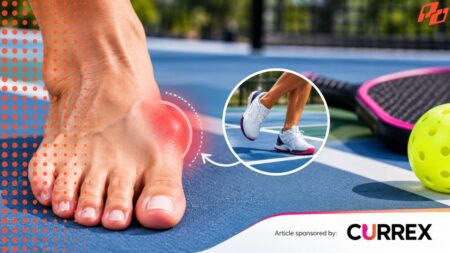


Blisters don’t sound like a big deal… until you try to play through one. That sting on your toe every time you push off, or the raw patch on your palm that makes every swing a reminder—it’s enough to turn a fun rec session or even a tournament run into misery.
The good news? Blisters aren’t an inevitable part of pickleball. They’re preventable. And when they do happen, they’re often a clue: something in your grip, your shoes, or your setup needs attention.
Let’s talk about why they happen, why pickleball players get them in particular, and how to stop them from stealing your court time.
Why Blisters Happen in Pickleball
At their simplest, blisters are a friction-and-moisture problem. Skin rubs against another surface—your paddle grip, your sock, the inside of your shoe—over and over until it separates and fluid builds up between the layers. Heat and sweat only speed up the process.
In pickleball, the usual culprits are:
- Hands – Blisters here are rare. If they happen, it’s almost always because of a “death grip” (squeezing too hard) or a slippery stock paddle grip that forces you to overcompensate.
- Feet – By far the bigger issue. Lateral slides, constant pivots, and explosive pushes load pressure onto your toes and heels, where the skin is soft but constantly in motion inside your shoe.
So, if your hands are blistering, the fix is usually about your technique and grip setup. If your feet are blistering, it’s all about shoes, socks, and moisture control.
Hand Blisters: A Sign of the “Death Grip”
Let’s start with the hands. If you’re blistering here, take it as a red flag—you’re gripping too tight.
A good paddle hold is firm enough to control the face, but loose enough to stay quick at the net. Think of holding a hammer or a bird: tight enough it doesn’t fly away, but not so tight you crush it.
Why do players squeeze too hard?
- Nerves (especially in tournaments).
- A slippery grip from sweat.
- A handle that feels too small or too bare.
Fixes that actually work:
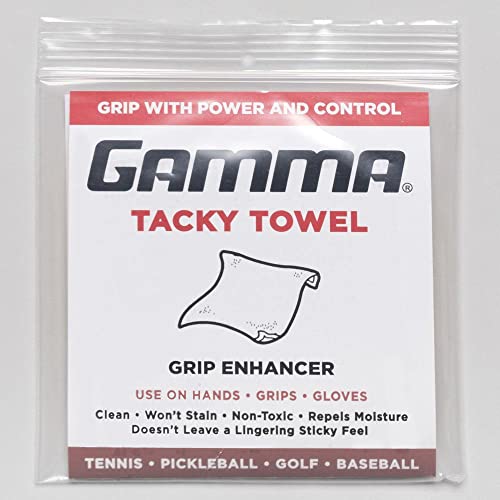
- Overgrips. These aren’t just tennis accessories. Tourna, Gamma, Wilson, and Yonex overgrips give you tack, absorb sweat, and cushion your hold. You can even layer them to adjust thickness if the handle feels too thin.
- Rotate grips often. A fresh overgrip every couple of weeks (or more if you sweat a lot) will do more for your comfort than you think.
- Manage sweat. Wristbands, towels, or even anti-sweat sprays can keep your palms dry so you don’t strangle the paddle.
- Check your technique. Between points, shake your hand loose. During play, remind yourself: control, not chokehold.
Pro tip: If you’ve ever seen pros switch paddles mid-match, it’s often not for a new weapon—it’s for a fresh grip.
Struggling with sweaty hands? Here are our go-to gear picks:

|
|

|
|
Pros:
|
Pros:
|
Pros:
|
Foot Blisters: The Real Battle
Now let’s talk about feet—where most pickleball blisters live.
Pickleball movement is different from running. You’re not just going forward—you’re shuffling, lunging, and pushing off in all directions. That means your shoes and socks get tested in ways regular sneakers just can’t handle.
Shoes are everything.
- If they’re too loose, your foot slides, creating friction.
- Too tight, and pressure builds on your toes.
- Running shoes won’t cut it—they’re built for forward motion, not side-to-side stops.
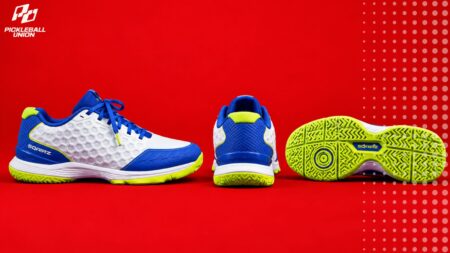
Pickleball-specific or tennis shoes are made for the sport’s lateral movements. They lock down your foot and reduce rubbing.
Right now, these are our favorite pickleball shoes—and we’d recommend every single pair:

|

|

|
|
Pros:
|
Pros:
|
Pros:
|
Socks are your secret weapon.
- Cotton? Forget it. It holds sweat and multiplies friction.
- Synthetic blends or merino wool wick moisture and add padding.
- Some players double up with thin liner socks under cushioned ones to cut friction.
Our top picks:

|

|

|
|
Pros:
|
Pros:
|
Pros:
|
- Cloud-like comfort
- Moisture wicking
- Relaxed support
Moisture control is non-negotiable.
- Change socks between matches if they’re soaked.
- Use foot powders (like Gold Bond or Zeasorb) or anti-blister sprays to keep things dry.
- Always break in new shoes before a tournament—don’t learn the hard way on game day.
Pro tip: If you find yourself taping toes every week, that’s your gear screaming at you. Fix the shoes or socks, and the tape becomes backup, not survival.
The Anti-Blister Toolkit
Beyond grips and socks, there’s a whole little world of blister prevention gear—and much of it works.
- Anti-chafe balms and creams. Body Glide, 2Toms BlisterShield, or even petroleum jelly cut friction. Great for toes, heels, and even between fingers.
- Sports tape or toe caps. Apply tape before a long day if you know your hot spots. Gel toe protectors can be a lifesaver in tournaments.
- Moisture blockers. Some athletes even use antiperspirant sprays on their feet before matches to reduce sweating.

|

|

|
|
Pros:
|
Pros:
|
Pros:
|
- Long-lasting protection
- Plant-based & safe
- Mess-free application
- Pre-cut convenience
- Strong adhesive
- Skin-safe design
A Quick Reality Check (Personal Note)
When I first started playing 5–6 times a week, I assumed blisters were just part of the grind. I’d hobble home, tape up, and come back the next day. Then a coach looked at my shoes, shook his head, and told me they were the wrong type for lateral play. I switched to a pair of racquet sport-court shoes and upgraded to Balega socks.
Result? Zero blisters for an entire season. The lesson stuck: blisters aren’t a badge of honor—they’re a warning sign that something needs fixing.
Quick Playbook: Blister Prevention Made Simple
- Relax your grip—avoid the “death grip.”
- Add a sweat-absorbing overgrip.
- Rotate grips regularly.
- Choose court shoes, not running shoes.
- Go with synthetic or merino socks—ditch cotton.
- Keep feet dry with powders or fresh socks.
- Break in shoes before tournaments.
- Use balms or tape on known hot spots.
Don’t Let Blisters Bench You
Blisters don’t just sting—they chip away at confidence. Every time you wince before pushing off, or loosen your grip to protect a raw spot, you’re handing your opponent a tiny advantage. The good news? Unlike your opponent’s serve or your partner’s mood, blisters are completely under your control.
Here’s the bonus tip most players overlook: train your “skin endurance” just like your footwork. Ease into long sessions with new shoes or grips instead of jumping straight into a five-hour tournament day. Rotate two pairs of shoes if you play often, so one can fully dry between uses. And never underestimate the power of a small, inexpensive fix—one fresh pair of socks or a five-dollar overgrip can save you weeks of discomfort.
Blisters don’t make you tougher; they just make you slower. Protect your hands, protect your feet, and your body will thank you with better movement, cleaner shots, and a lot more fun on court.
Because in pickleball, the only scars worth collecting are the ones on your paddle face—not on your skin.