
Pickleball Union earns a commission on purchases made through links in this article, at no extra cost to you. Our picks are editorially independent. Brands do not see or approve them before publication.
A good beginner pickleball paddle is wide body, about 7.8 to 8.2 oz, 16mm thick, and made with a carbon fiber or Kevlar face. That combination gives you the biggest sweet spot and the most forgiveness on off-center hits. You don’t need a top-of-the-line paddle, and you shouldn’t buy a wood or fiberglass one you’ll outgrow in a month.
That’s the short answer. The longer one comes from the people who’ve already made the mistakes.
|
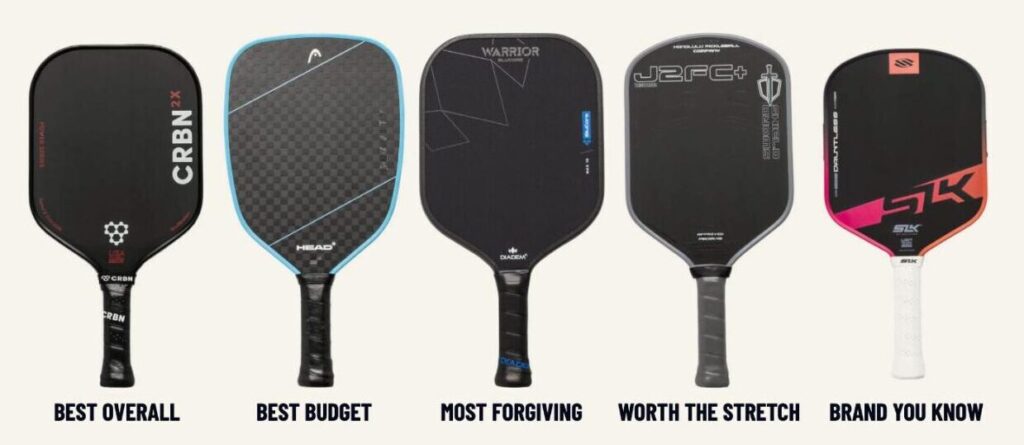
Best overall

|
Best budget pick
|
Most forgiving
|
Worth the stretch
|
Brand you know
|
|
|
|
|
|
- Twist weight beats 94% of lab-tested paddles
- Control-first, light swing
- Wide body, 16mm
- Code PICKLEBALLUNION works
- Lightest-swinging paddle we considered
- Wide body, 17mm core
- Well-known brand
- Often far below list price
- Foam core
- Highest twist weight we considered (97th pct)
- Wide body, choose the 16mm
- Code PICKLEBALLUNION works
- Most consistent paddle we considered
- Strong spin you won't outgrow
- Hybrid shape, 16mm
- Code PICKLEBALLUNION works
- Selkirk, the brand beginners already own
- Big sweet spot (96th pct twist weight)
- Wide body, 16mm
- Often on sale
What 318 beginners told us about their first paddle
Our Pickleball Union Paddle Survey has collected 3,600 responses from players about the paddles they own. 318 came from players who called themselves beginners. Compared with everyone else, they are the least happy paddle owners we surveyed.
Source: Pickleball Union Paddle Survey, 3,600 responses, 318 from self-rated beginners.
The pattern is easy to read. Beginners buy cheap, buy fast and buy on looks or price, then spend their first season fighting a paddle that’s too heavy and too unforgiving. Every pick below is chosen to avoid that.
Our picks at a glance
| Pick | Best for | Shape | Weight | List price* |
|---|---|---|---|---|
| CRBN² X 16mm Power | Best overall | Wide body | 7.8 to 8.1 oz | $229.99 |
| HEAD Gravity Tour | Best budget pick | Wide body | 8.5 oz listed, swings light | $189.95 |
| Diadem Warrior BluCore V3 Max | Most forgiving (foam core) | Wide body | 8.0 oz (14 and 16mm) | $279.95 |
| Honolulu J2FC+ | Worth the stretch | Hybrid | 8.0 to 8.3 oz | $195 |
| Selkirk SLK Dauntless Widebody | The brand you’ve heard of | Wide body | 7.7 to 8.1 oz | $179.99 |
*About prices: these are list prices. Paddles go on sale constantly, and most of these sell well below list much of the year. Several were under $150 when we published this guide. Always check the current price before you buy. Code PICKLEBALLUNION works at JustPaddles on CRBN, Diadem and Honolulu, but may not combine with sale prices. It does not apply to HEAD or Selkirk.
Not sure which one fits? Ten questions, three paddles matched to how you play, scored on the same lab data.
1. CRBN² X 16mm Power: Best overall
Why it’s here: It’s the most forgiving paddle in our top five that still feels quick in your hands. Its twist weight (how well the paddle resists twisting on off-center hits) is higher than 94% of the lab-tested paddles we scored. Its swing weight is lighter than 78% of them.
The name is misleading. “Power” is CRBN’s label, not ours. In lab testing this paddle sits in the bottom quarter for power. For a beginner, that’s a feature: the ball goes where you aimed it, not three feet long.
What owners say: CRBN owners in our survey score the brand +60 on would-you-recommend (217 owners), one of the strongest scores of any major brand.
Watch out for: If you already hit hard from tennis or racquetball, you may want more pop within a few months.
Specs: 15.9 x 8 in, 16mm, 7.8 to 8.1 oz, carbon fiber face. List price $229.99, often on sale.
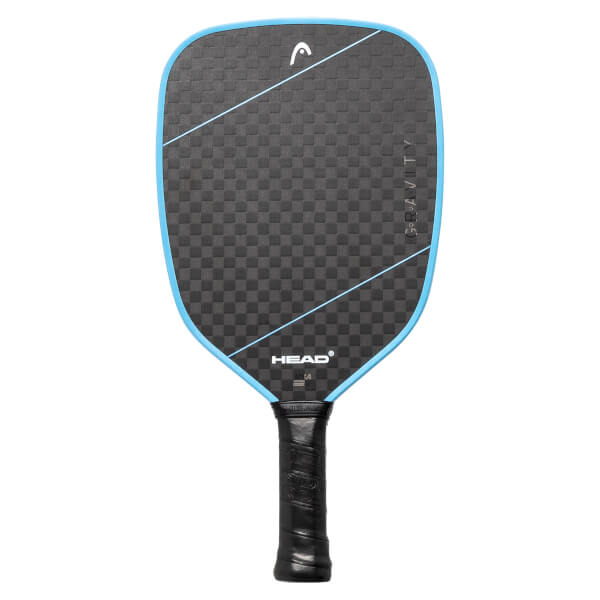
2. HEAD Gravity Tour: Best budget pick
Why it’s here: “Lighter” is the number one thing beginners told us they want in their next paddle, and this is the lightest-swinging paddle we considered. HEAD lists it at 8.5 oz, but its swing weight (how heavy it feels in motion) is lower than 94% of lab-tested paddles. It feels lighter than it weighs.
Why HEAD: You’ll find HEAD in any sporting goods store, and for a first paddle, a name you recognize counts for something. It’s also a wide body with a 17mm core, so the sweet spot is generous. It’s regularly discounted far below its list price, which makes it our budget pick.
What owners say: HEAD owners score the brand +17 (33 owners). That’s below average. Most of those owners have HEAD‘s power paddles, not this one, but it’s worth knowing.
Watch out for: It’s middle of the pack for consistency and low on spin. It’s a paddle to learn on, not one to keep forever.
Specs: 15.75 x 8.1 in, 17mm, 8.5 oz listed, carbon fiber face. List price $189.95, usually sold for much less.
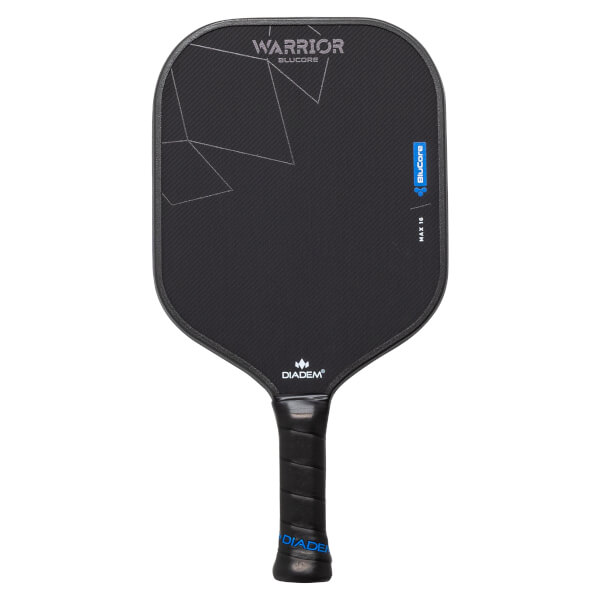
3. Diadem Warrior BluCore V3 Max: Most forgiving (foam core)
Why it’s here: Foam cores are the biggest change in paddles in years, and they forgive mistakes. This one has the highest twist weight of any paddle we considered, higher than 97% of lab-tested paddles. Mishits stay on line.
Our history with this line: Drew reviewed its elongated 14mm sibling, the Warrior BluCore Pro 14, and gave it 4.75 out of 5. He called it a paddle for intermediate and advanced players, not beginners, because of its heavier swing and elongated shape. The V3 Max uses the same foam tech in a wide body shape (15.7 x 8.2 in). That shape is why it makes this list and the Pro 14 doesn’t.
What owners say: Diadem owners score the brand +41 (134 owners).
Pick the thickness: It comes in 14mm, 16mm and 19mm. Beginners should take the 16mm. The 19mm adds weight (8.5 oz).
Watch out for: It’s low on power, and its list price is the highest on this page. Wait for a sale; it goes on sale often.
Specs: 15.7 x 8.2 in, 14/16/19mm, 8.0 oz (8.5 oz at 19mm), Kevlar and carbon face, foam core. List price $279.95.
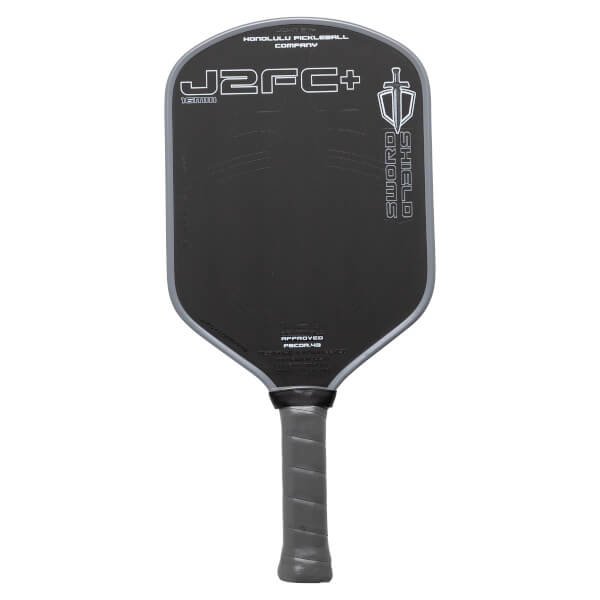
4. Honolulu J2FC+: Worth the stretch
Why it’s here: If you’re sure you’re sticking with pickleball, this is the “buy once” pick. It’s the most consistent paddle we considered: its response across the face is more even than 94% of lab-tested paddles. It’s also strong on spin (88th percentile), so you won’t outgrow it as your game develops.
What owners say: Honolulu owners score the brand +79 (89 owners), the highest of any brand on this list.
Watch out for: It costs more than most beginners spend: 57% of the beginners we surveyed capped their budget under $150. The shape is a hybrid (16.2 x 7.8 in), a bit longer and narrower than a true wide body.
Specs: 16.2 x 7.8 in, 16mm, 8.0 to 8.3 oz, carbon fiber face. List price $195.
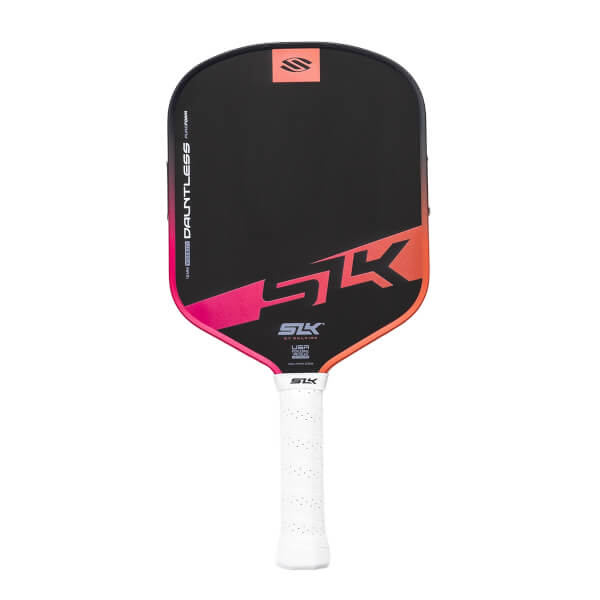
5. Selkirk SLK Dauntless Widebody: The brand you’ve heard of
Why it’s here: Selkirk is the brand beginners already own. It was the most common brand among the beginners in our survey. SLK is Selkirk’s lower-priced line, and the Dauntless Widebody has a big sweet spot: twist weight higher than 96% of lab-tested paddles.
What owners say: Selkirk owners score the brand +51 across 770 owners, the largest sample in our survey.
Watch out for: Consistency is its weak spot (33rd percentile), so shots off different parts of the face can feel different. The PICKLEBALLUNION code doesn’t apply to Selkirk.
Specs: 15.95 x 8 in, 16mm, 7.7 to 8.1 oz, carbon fiber face. List price $179.99, often on sale.
These paddles go on sale often. Join the free Pickleball Union newsletter for sale alerts on our beginner picks and member-only deals from our brand partners.
Look at the Versix Vector XL
Most beginners should stick with a wide body. Former tennis players are the exception: you already have the swing, and a longer handle and longer face will feel familiar.
Drew tested the Versix Vector XL Pro and gave it 4.75 out of 5, calling it a strong fit for players stepping up from beginner gear or coming from tennis. The Pro version never reached the market, and it wasn’t approved for USA Pickleball tournaments. The Vector XL shares its elongated shape, core and long 5.75″ handle, with a less gritty face and USA Pickleball approval.
Versix is PickleballCentral’s in-house brand, and we earn a commission on PickleballCentral sales.
Read Drew’s Vector XL Pro review | Check price at PickleballCentral
Also considered, and why they didn’t make it
- ProXR SweetSpot Max 16mm Kevlar: It scores well in the lab and it’s inexpensive. But ProXR owners in our survey are split on the brand, scoring it 0 (32 owners). That’s not a beginner gamble we’d make.
- Six Zero Coral Pro Widebody: It’s an excellent paddle, and Six Zero owners love the brand. But it costs more than most beginners spend, and the Honolulu covers the same job.
- RPM Q2 16mm Widebody: It’s the highest-scoring paddle in our data and one of the most expensive. Come back to it after your first season.
- Elongated paddles of any kind: They give you reach, but they shrink the sweet spot. Beginners need the sweet spot more.
- Wood and fiberglass (composite) paddles: They’re cheap for a reason. They’re heavy, they’re inconsistent, and you’ll replace them fast.
How to choose your first paddle
1. Shape: go wide body. A wide body paddle (about 8 in wide, 15.75 to 16 in long) gives you the biggest sweet spot. Elongated paddles trade forgiveness for reach, and that’s a trade for later. More on elongated vs. hybrid paddles.
2. Weight: 7.8 to 8.2 oz. Lighter paddles are quicker at the kitchen and easier on your arm. “Lighter” was the top thing beginners told us they want next time. Watch swing weight, not just the number on the box: the HEAD Gravity Tour is listed at 8.5 oz and still swings lighter than most.
3. Thickness: 16mm. Thicker cores absorb more of the ball, which means more control and a softer feel. A 14mm paddle is livelier and less forgiving. More on 14mm vs. 16mm paddles.
4. Face: carbon fiber or Kevlar. Current paddles use carbon fiber or Kevlar faces over a polymer or foam core. Skip fiberglass (“composite”) and wood. They cost less up front, but they’re heavier and less consistent, and you’ll outgrow them fast.
5. Budget: wait for a sale. Most paddles in this class list for $180 to $280, but they’re discounted so often that list price is rarely what you pay. 57% of the beginners we surveyed set a budget under $150, and that’s a realistic target if you check prices before you buy.
6. Tournament plans? Check the approval list. If you might play a sanctioned event, make sure your paddle is on the USA Pickleball approved paddle list. Every numbered pick on this list is approved.
Our newsletter tells you when it is time to upgrade from a beginner paddle, and which intermediate paddle to move up to.
How we picked
We didn’t pick these from spec sheets. Each paddle was scored on four things:
- Lab data: forgiveness (twist weight and consistency) and swing weight, from JustPaddles’ independent Paddle Lab. This counted most.
- Real owners: brand would-you-recommend scores from the Pickleball Union Paddle Survey (3,600 responses). We only show a brand score when at least 20 owners stand behind it.
- Price: how well it fits what beginners actually spend.
- What players match to: how often the paddle comes up for beginners in our Paddle Quiz.
We screened out elongated-only paddles, composite and wood faces, and anything out of stock. We allowed no more than two picks per brand. We’ll add on-court notes from our reviewer to this guide as he tests these picks.
Beginner paddle FAQs
What is a good pickleball paddle for beginners?
A wide body paddle, about 7.8 to 8.2 oz and 16mm thick, with a carbon fiber or Kevlar face. Our top pick is the CRBN² X 16mm Power. If you want a budget option, take the HEAD Gravity Tour.
How much should a beginner spend on a pickleball paddle?
Most good beginner paddles list for $180 to $280, but they go on sale often. 57% of the beginners in our survey set a budget under $150, and that’s realistic if you wait for a sale. Always check the current price before you buy.
Should a beginner buy a wood or cheap Amazon paddle?
We wouldn’t. Beginners in our survey bought on Amazon at twice the rate of experienced players, and they’re the least likely to recommend their paddle. A wood paddle is fine for one afternoon, not for a season.
What weight paddle is best for beginners?
Between 7.8 and 8.2 oz. Lighter is easier on your arm and quicker at the net. Also check swing weight, which tells you how heavy the paddle feels when you swing it.
Is a 14mm or 16mm paddle better for beginners?
16mm. The thicker core gives more control and a bigger, softer sweet spot. A 14mm paddle adds pop, which beginners usually don’t need yet.
Are elongated paddles good for beginners?
Usually not. They add reach but shrink the sweet spot. The exception is former tennis players, who may prefer the longer handle and feel.
Is a foam core paddle good for beginners?
Yes. Foam cores, like the one in the Diadem Warrior BluCore V3 Max, are among the most forgiving paddles in the lab data, and they’re built to resist going “dead” over time.
Do I need a USA Pickleball approved paddle?
Only for sanctioned tournaments. Every numbered pick on our list is approved, so you’re covered either way.