Pickleball UnionPickleball Union
  • Pro Community
  • News
    • Recent Posts
    • Interviews
  • 101
    • Pickleball 101
    • Where To Play
    • Rating Quiz
  • Training
    • All Training Posts
    • Injury Prevention & Recovery
    • Pickleball Ratings
    • Strategic Stretching for Pickleball
  • Gear
    • All Reviews & Guides
    • Beginner Paddles
    • Intermediate Paddles
    • Advanced Paddles
    • Aesthetic Paddles
    • Pickleball Nets
    • Pickleball Eyewear
    • Pickleball Machines
  • Newsletter

Staying in the pickleball loop just got easier

Get the 5-minute newsletter over 40,000+ of your pickleball friends read every week.

By subscribing you agree to the Pickleball Union's Privacy Policy and Terms & Conditions
Instagram YouTube TikTok Facebook X (Twitter)
Pickleball UnionPickleball Union
  • Pro Community
  • News
    • Recent Posts
    • Interviews
  • 101
    • Pickleball 101
    • Where To Play
    • Rating Quiz
  • Training
    • All Training Posts
    • Injury Prevention & Recovery
    • Pickleball Ratings
    • Strategic Stretching for Pickleball
  • Gear
    • All Reviews & Guides
    • Beginner Paddles
    • Intermediate Paddles
    • Advanced Paddles
    • Aesthetic Paddles
    • Pickleball Nets
    • Pickleball Eyewear
    • Pickleball Machines
  • Newsletter
Instagram TikTok YouTube Facebook X (Twitter)
Pickleball UnionPickleball Union
Home»Intermediate Play»The Backhand Carve Dink: Advanced, Tricky — and Worth Having

The Backhand Carve Dink: Advanced, Tricky — and Worth Having

AnaBy Ana01/02/2026Updated:04/23/20264 Mins Read
Facebook Twitter LinkedIn Pinterest
The Backhand Carve Dink Advanced, Tricky — and Worth Having
APP

Let’s be upfront: the backhand carve dink is not an easy shot. It’s not something you add in your first few months, and it’s absolutely not a replacement for a solid push dink or twoey.

But once you understand when to use it—and when not to—it becomes a powerful tool to have in your arsenal, especially when you’re slightly out of position and still want to apply pressure.

This is a situational, advanced dink, not a default.

What the Backhand Carve Dink Actually Is

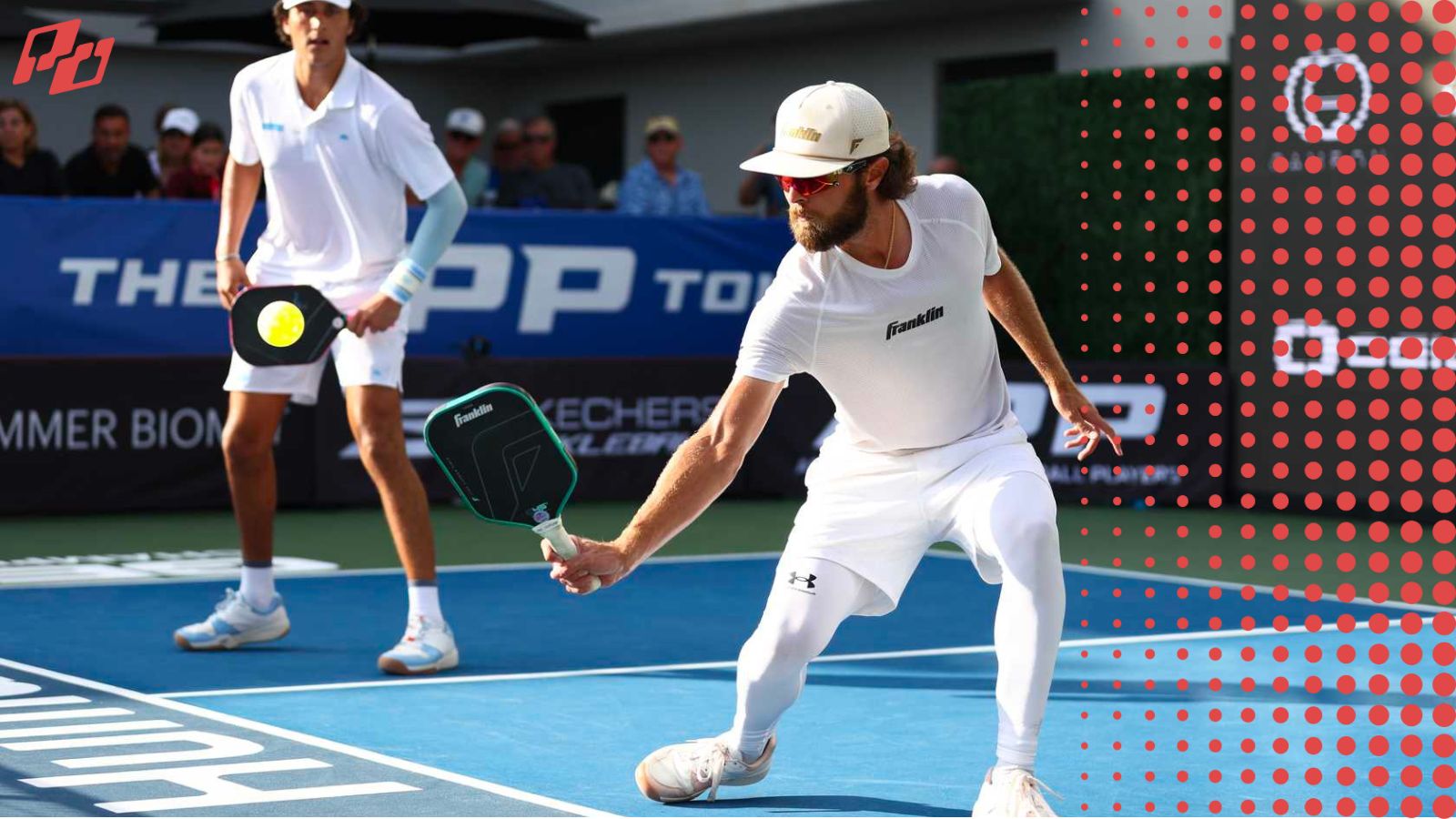
A backhand carve dink is a one-handed backhand dink hit with sidespin, created by brushing around the outside of the ball rather than pushing straight through it.

You’re not slicing down. You’re wrapping around the ball with a compact motion.

The goal is to:

  • Get the ball over the net safely
  • Keep it in the kitchen
  • Add side spin that pulls the ball away after the bounce

This shot is most useful when the dink drifts slightly behind your body, where a two-handed backhand feels cramped and late.

View this post on Instagram

A post shared by James Broker (@jamesbrokerpickleball)

When the Backhand Carve Makes Sense

This shot shines in a very specific situation:

  • The dink is slightly behind you
  • You don’t have space for a comfortable two-hander
  • You still want an aggressive, controlled dink
  • You need extra reach and extension

Using one hand allows you to reach back behind your body more naturally, while the carve adds spin to help the ball clear the net and drop softly.

As demonstrated in the video, the key elements are:

  • One hand for reach
  • Locked wrist
  • Compact swing
  • Brushing around the outside of the ball

Think extension first, spin second.

How to Execute the Shot (Simple Mechanics)

  • Use a one-handed backhand
  • Keep your wrist firm and locked
  • Reach back behind your body
  • Brush around the outside of the ball (not under it)
  • Finish compact — no big follow-through

The spin helps the ball:

  • Clear the net
  • Stay in the kitchen
  • Move sideways after the bounce

The Biggest Mistakes Rec Players Make

This is where things usually go wrong:

1. Over-slicing: Trying to carve too much adds height and risk. Big slice = pop-up.

2. Loose wrist: A floppy wrist kills control and consistency.

3. Using it too often: This is not a “go-to” dink. Overuse turns a smart option into a liability.

4. Using it under pressure: If you’re rushed, off-balance, or stretched wide, this shot becomes high-risk fast.

When NOT to Carve: Coach Dayne Gingrich’s “Cup” Advice

This is the most important distinction. Coach Dayne Gingrich is very clear: most amateurs carve when they should cup.

When to Cup Instead of Carve

If you’re:

  • Pulled wide or deep
  • Outside your normal strike zone
  • Under pressure
  • At risk of an Erne

…trying to carve your way out adds another layer of difficulty. Instead, Dayne recommends a dead, push-style reset dink back to the center:

View this post on Instagram

A post shared by Dayne Gingrich (@dayne_gingrich)

What “Cupping” Means (And Why It Works)

Because the ball is to the side or behind you, the safest way to keep the paddle facing the court is by:

  • Pushing your palm away from your body
  • Creating a subtle “C” shape in the wrist

This keeps:

  • The paddle face square to the target
  • The wrist strong
  • The motion compact and reliable

The result is a neutral, dead dink that:

  • Resets the point
  • Avoids Ernes
  • Buys you time to recover position

No spin. No flair. Just smart pickleball.

Carve vs. Cup: The Simple Rule

  • Carve when you’re slightly behind but balanced and intentional
  • Cup when you’re stretched, late, or just trying to survive

Advanced players don’t carve more — they choose better.

Earn the Shot

The backhand carve dink is impressive, effective, and fun — when earned.

Master your push dink.
Get comfortable with your twoey.
Then add the carve as a situational weapon, not a crutch.

And remember: the smartest dink isn’t the flashiest one. It’s the one that keeps you in the point — and out of trouble.

smart mag child\assets\img\YouTube Thumbnail Featured Image.jpg

How useful was this post?

Click on a star to rate it!

We are sorry that this post was not useful for you!

Let us improve this post!

Tell us how we can improve this post?

Advanced Pickleball Shots Backhand Carve Dink Pickleball Backhand Pickleball Dinking
Share. Facebook Twitter Pinterest LinkedIn
Previous ArticleOur Pickleball Resolutions That Might Actually Stick (And Why)
Next Article “Don’t run through your shot!” …so why do better players do it?
Ana
  • LinkedIn

Ana Nodilo, Pickleball Union's Editor, combines her love for racket sports and a holistic lifestyle to enrich our community. Starting on tennis courts, Ana transitioned seamlessly into pickleball, bringing strategic insight and finesse. An avid yogi and hiker, she integrates her passion for active living into every article, advocating a balanced approach to fitness and wellness.

Related Posts

What to Do When a Wide Dink Pulls You Off the Pickleball Court

What to Do When a Wide Dink Pulls You Off the Pickleball Court

What to Do When Nobody Dinks in Rec Pickleball

What to Do When Nobody Dinks in Rec Pickleball

3 Smart Pickleball Doubles Strategies That Give Shorter Players a Real Advantage

3 Smart Pickleball Doubles Strategies That Give Shorter Players a Real Advantage

Staying in the pickleball loop just got easier

Get the 5-minute newsletter over 40,000+ of your pickleball friends read every week.

By subscribing you agree to the Pickleball Union's Privacy Policy and Terms & Conditions

Access more inside Pickleball Union Pro


pickleball getaways with vibe getaways

YouTube TikTok Instagram Facebook X (Twitter)
  • Pro Community
  • About Us
  • Contact us
  • Write For Us
  • Advertise With Us
  • Disclaimer
  • Privacy Policy
© 2026 Pickleball Union
A Legion Media brand - powered by Digital Authority Group
N28W23000 Roundy Dr.
Pewaukee, WI 53072

Type above and press Enter to search. Press Esc to cancel.

We use cookies to ensure that we give you the best experience on our website. If you continue to use this site we will assume that you are happy with it.