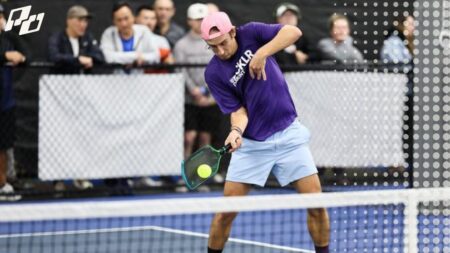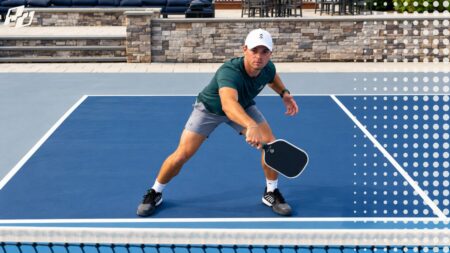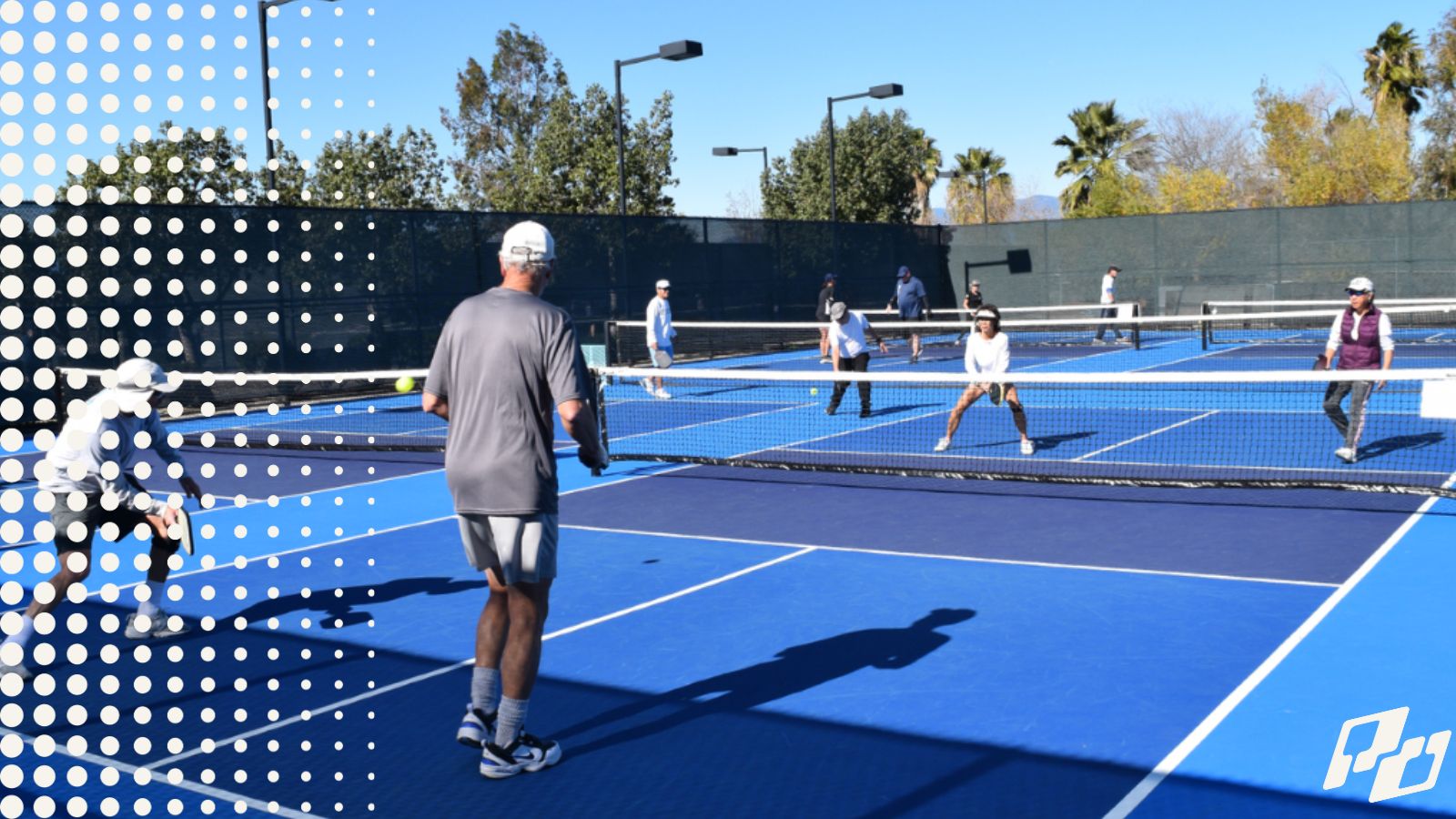
If you play pickleball tournaments—or you’re thinking about entering your first one—you’ve probably noticed something confusing right away: not all tournaments group players the same way.
Some events separate players by skill and age (for example, 4.0 / 50+). Others run skill-only brackets, where a 4.0 is a 4.0 no matter how old you are. And a few offer both, letting players choose between age-based divisions and open or all-ages competition.
That variety is exactly why this debate keeps coming up.
Many recreational players ask a fair question: If pickleball ratings are supposed to reflect ability, why does age even matter? If two players are both rated 4.0, shouldn’t they be able to compete in the same bracket?
At the same time, just as many players quietly say the opposite: Ratings don’t tell the whole story—especially over a long tournament day.
This isn’t a philosophical argument. It affects which bracket you sign up for, how your body feels by mid-afternoon, and whether a tournament weekend feels competitive or exhausting in all the wrong ways.
So let’s unpack what’s really going on.
Because this conversation isn’t about toughness, ego, or “protecting” anyone. It’s about understanding what ratings actually measure, what tournaments really test, and why age sometimes becomes part of the equation—even when skill levels look identical on paper.
What Pickleball Players Are Really Saying
Around courts, leagues, and tournament sidelines, you hear a few familiar lines.
Some players say, “A rating is a rating. If you can play, you can play.”
Others say, “I can hang… just not all day.”
And a lot of experienced players quietly admit, “The first few matches don’t tell the whole story.”
What’s interesting is that everyone usually agrees on one thing: ratings matter.
Where people disagree is what ratings are supposed to predict.
Because a rating does a great job describing how you play when you’re fresh.
A tournament asks a different question: how long can you keep playing that way?
A Quick Reality Check: This Isn’t About Toughness
Before we go any further, let’s clear something up.
This conversation isn’t about mental strength.
It isn’t about competitiveness.
And it definitely isn’t about “who wants it more.”
Some of the toughest, most competitive pickleball players you’ll ever meet are older players who know exactly when to push and when to manage their bodies.
Fatigue isn’t a character flaw.
Recovery isn’t weakness.
Choosing an age-skill bracket isn’t fear.
It’s experience.
And tournaments are where experience starts to matter just as much as raw ability.
Same Rating, Different Stress Test
Two players can absolutely be the same rating—and still experience a tournament day very differently.
Early in the day, things look even. Dinks are clean. Footwork is sharp. Hands battles feel manageable. Shot selection stays disciplined.
By the middle rounds, tiny differences start to show up. One player recovers half a step slower after wide balls. Another starts cheating position just a little to save energy. Resets float a bit more. Speed-ups come from slightly worse balls.
By late afternoon, nobody has “forgotten how to play.”
But margins shrink.
That’s the stress test tournaments apply that rec play rarely does. It’s not about whether you can play well. It’s about whether you can keep accessing your best decision-making when your body starts negotiating.
The Hidden Skill Nobody Talks About: Playing Well When You’re Tired
Here’s what most recreational players don’t realize until they’ve lived it:
Late-day pickleball isn’t about surviving physically—it’s about staying disciplined mentally.
When fatigue creeps in, the biggest breakdowns aren’t mechanical. They’re cognitive.
Players start forcing points instead of building them. They speed up from balls they would normally reset. They abandon high-percentage patterns because patience feels expensive. Emotion quietly replaces strategy.
The players who last deep into tournament days aren’t the ones hitting harder or moving faster. They’re the ones who can slow the game down in their head when everything around them feels rushed.
That ability—to choose restraint over impulse, margin over flash—is a skill you can train. And while age doesn’t determine who has it, experience often accelerates its development.
Common Misconceptions That Keep This Debate Stuck
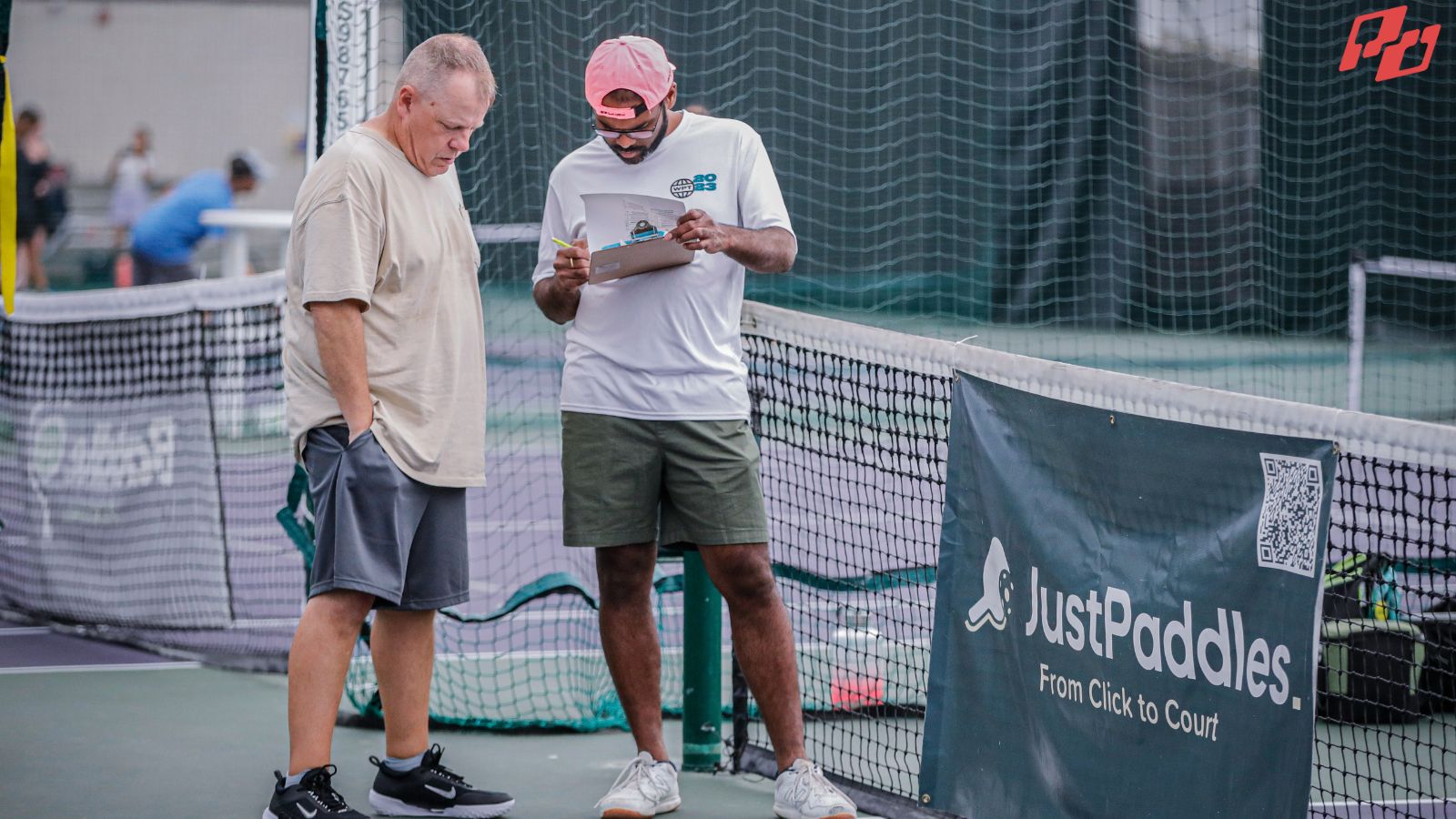
A few ideas tend to muddy this conversation—especially for newer tournament players.
Age brackets aren’t “for weaker players.” Many age-skill divisions are brutally competitive, just with a different physical demand profile.
Open or all-ages brackets aren’t only for young players. Plenty of older players thrive there because their game is built on efficiency and discipline.
And ratings don’t guarantee even competition. They describe ability, not durability, recovery, or late-day decision-making under pressure.
Once those misconceptions are out of the way, the debate becomes a lot clearer.
What I Wish I’d Known Before My First Tournament
Most rec players walk into their first tournament thinking it’ll feel like league night… just louder.
It doesn’t.
What surprises people most isn’t the speed of play. It’s the stacking effect—match after match, limited rest, adrenaline masking fatigue until it doesn’t.
A lot of players later say, “I didn’t play badly… I just didn’t play as well as I expected.”
That gap between expectation and reality is where frustration creeps in.
Knowing ahead of time that tournaments reward durability as much as shot-making changes everything. It reframes the day. It shifts goals. It makes results make sense.
Why Age Divisions Still Exist (Even When Ratings Don’t Care)
Age divisions aren’t a judgment on ability. They’re a response to volume.
They exist because tournaments:
- compress recovery
- amplify fatigue
- reward repeatable execution
- and ask players to manage their bodies, not just their strokes
For many players, age-skill brackets create a competitive environment where games stay sharp deeper into the day. For others, open or all-ages brackets offer a challenge they actively want.
Neither choice says anything negative about your game.
It says something about the kind of test you’re choosing.
Choosing Your Bracket Without Overthinking It
Instead of asking, “What should I play?” try asking a better question:
What version of pickleball do I want to bring out this weekend?
Some players love the grind. The chaos. The physical chess match of all-ages competition. Others want to play their smartest pickleball for as long as possible without managing survival mode by mid-day.
One choice isn’t braver. The other isn’t safer. They’re just different experiences.
And plenty of players move between them over time.
The Reframe Most Players Eventually Reach
A rating tells you how well you play.
A tournament reveals how long you can sustain it.
Age divisions don’t undermine ratings. They acknowledge reality.
Once you separate ego from format, the debate softens. What’s left is a practical, honest decision about competition, enjoyment, and longevity.
The smartest recreational players aren’t the ones arguing about fairness at the fence.
They’re the ones who understand the test they’re signing up for—and choose it on purpose.