
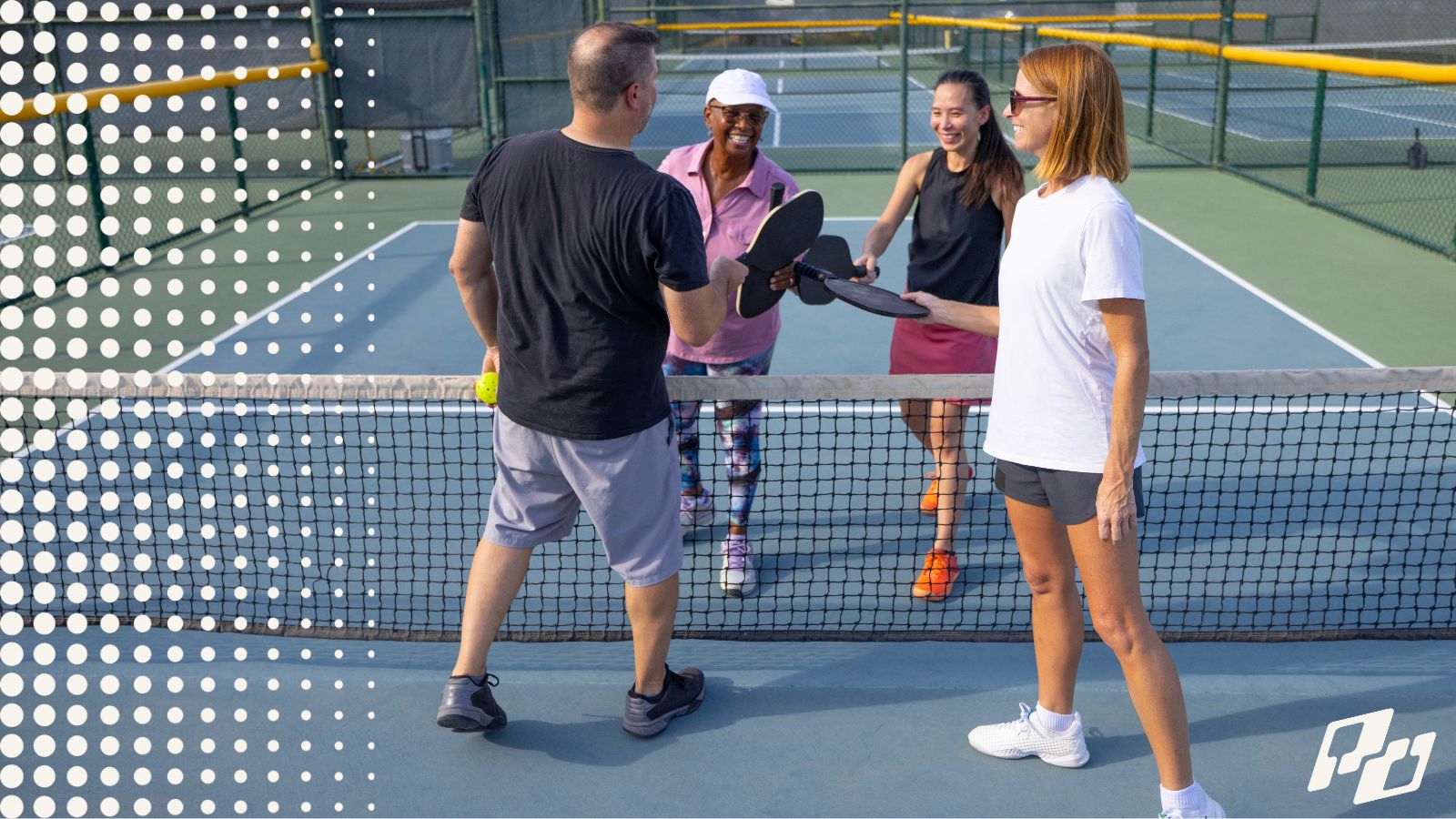
You show up, slide your paddle into the rack, and… crickets. A foursome finishes, glances over, then decides to sit rather than wave you in. Your paddle sits there like a lonely coat check ticket. Is it you? Is it them? Is it “open play” only when it’s convenient?
I’ve been there, and so have a lot of players. Reading through dozens of real comments from rec players, the same themes pop up: some folks only want their crew, others game the paddle stack, and a few are just… not very inclusive.
But there’s also a lot of practical wisdom from players who lived it and found work-arounds—everything from starting your own group to calmly invoking posted rules to simply asking, “Mind if we mix in next game?”
Below is a personal playbook—equal parts people skills, policy know-how, and strategy—that’ll help you get games without getting bitter.
Why Snubs Happen (and How to Read the Situation)
Some snubs are intentional. Many aren’t. Here’s what players repeatedly called out—and how I’ve learned to spot it fast:
- No structure = social chaos. If there’s no clear rotation, cliques form and the day drifts into “we’re just playing with our friends.” Organized paddle systems (e.g., racks, whiteboards, “4-on/4-off”) keep things fair and moving.
- “Open play” means different things to different people. Some venues post rules that require mixing regardless of court fullness; others allow challenge courts or level-based courts during “open” time. When in doubt, read the local sign and ask the on-site lead.
- Skill-mismatch nerves. Plenty of people want competitive games at their level; that’s not evil—it just needs structure (e.g., a couple of level courts, plus true mixed courts). Clubs commonly run challenge courts to channel that energy.
- Paddle-stack “gaming.” Players admitted to quietly moving paddles to avoid certain matchups. When someone manages the rack or there’s an agreed rotation, that behavior drops.
- Couples dynamics. Several comments mentioned spouses coaching each other or taking every ball—people avoid the drama. If you’re playing as a couple, defuse that perception (more below).
- Culture drift. Some lament the shift toward hotter paddles and hard-driving styles and the “tennis-ification” of rec play. That’s a values conversation (not a rules one) and it’s why signposted etiquette matters.
Know the Ground Rules (and Use Them, Nicely)
If the sign says “Open Play,” there’s usually a rotation system posted—use the policy as your script, not your personality. Typical formats include paddle racks that feed the next foursome and 2-on/2-off or 4-on/4-off when people are waiting. Calmly pointing to the posted process often fixes awkwardness in seconds.
And if your park runs challenge courts (often split by level), remember those are designed to reduce snubbing by separating “bring your A-game” courts from “everyone mixes” courts.
Sportsmanship backup: USA Pickleball’s sportsmanship materials emphasize respect, fair play, and the social nature of the sport. A quick, “Hey folks—can we stick to the posted rotation so everyone gets in?” aligns with that ethos.
What to Do in the Moment (Three Scripts That Work)

- The rotation nudge: “Hey all, looks like we’re up next per the rack. Mind if we jump on Court 3 with you?” (You’re citing the system, not challenging their character.)
- The mixing ask (no structure present): “Happy to split—one of us can pair with you two next game so everyone keeps playing. Sound good?”
- The direct & kind check-in: “I noticed you’ve been waiting rather than playing us. Anything we can do to make it a better game for you—split partners, drill for a bit, different pace?” (A few commenters swear this worked; sometimes the “snub” was just social anxiety or level jitters.)
If you get a hard “no,” don’t escalate. Switch to Plan B below—stay visible, stay gracious, and go find a court that shares your vibe.
Plan B: Get games—on your terms
Players offered a surprising amount of practical, zero-drama advice:
- Bring a buddy (or three). Mini-solution: arrive as a foursome once or twice a week. Macro-solution: start your own group text/WhatsApp for reliable games.
- Host a random-draw mixer. Quick sign-up, random partners each round. It dissolves cliques and is fun. (Many clubs formalize this with paddle-rack or ticket draws.)
- Try skinny singles / cutthroat while you wait. You’ll play more balls, improve faster, and look “game-ready” when a court frees up. Several players recommended this exact move.
- Clinics & challenge nights. Clinics sharpen skills; challenge courts scratch the competitive itch without hijacking rec courts.
- Volunteer to run the rack. The person who keeps play moving becomes the person everyone thanks—and the person nobody “forgets” to include. (Products like dedicated paddle racks or QR check-ins make this easier for parks.)
Safety Note for “Smash-Happy” Courts
One comment nailed it: some avoid certain players because the ball gets rocketed at faces in rec games. If you’re uneasy, protective eyewear is a sensible default—ophthalmology groups and hospitals have specifically flagged pickleball eye injuries and recommend shatter-resistant lenses.
Also: it’s OK to say, “Let’s keep bodies off-limits in open play” or to choose a different court if the vibe doesn’t match your risk tolerance.
If you’re Playing as a Couple (and Want More Invites)
Couples get snubbed for two avoidable reasons: on-court coaching and ball-hogging. Players called this out bluntly. Here’s how to flip that script fast:
Split partners on the next game so you’re not a packaged deal.
No sideline coaching unless asked. (Save it for the car ride… or don’t.)
Share the thirds. If one of you always takes middle balls, rotate responsibilities by return pattern.
Match the group’s tone. Laugh at errors, compliment opponents’ shots, reset fast. People remember how you made them feel.
Quick Self-Check (the Hard but Helpful Questions)

A few comments were candid: sometimes we’re the problem without realizing it.
Ask a friendly regular, “Anything I’m doing that makes games less fun—too competitive, argumentative, loud line calls?” If you can take feedback, you’ll get way more invitations.
For Organizers & Park Leads (Steal This)
If your courts keep getting “middle-school cafeteria” vibes, post simple, visible rules and stick to them. The patterns that work across parks and clubs:
- Clear rotation: 4-off/4-on or 2-off/2-on when people are waiting; one paddle per person in the rack; next four on deck.
- Label a couple of challenge courts (by level) and keep the rest truly mixed.
- Pin a sportsmanship/etiquette note (“introduce yourself, invite new faces, play one game down each hour”). This aligns with USA Pickleball’s spirit-of-the-game guidance.
When structure appears, snubs vanish.
Stories Worth Remembering
- “Speak up—nicely.” One player said she calmly pointed to the posted rotation when the clique kept bypassing her; she mixed in, improved, and now she makes a point to include newbies.
- “Outwork the snub.” Multiple players admitted it felt great to later beat the same folks who once avoided them. Not out of spite—out of progress.
- Even pros get snubbed. A top player once got brushed off by a group that didn’t recognize him—until someone clued them in. It’s not always personal; sometimes it’s just a misread.
My Bottom Line (and What to Try This Week)
Snubs sting because pickleball is supposed to be social. But you’ve got options—many. Lead with structure, kindness, and agency. Quote the posted rotation, offer to split, or run a quick skinny-singles game so you’re not just waiting. If a court’s culture clashes with how you like to play, take your joy somewhere else—or build it where you stand.
This week, try:
- Arrive with one specific plan (e.g., “If we’re not waved on twice, we’ll host a random-draw mixer on Court 4 at :30”).
- Carry protective eyewear if your park’s known for heaters.
- Practice one couples fix (split partners, no coaching).
- Screenshot your park’s rotation sign—use it as your friendly script.
Pickleball is still the most welcoming sport I’ve played. When the human stuff gets in the way, a little structure—and a little grace—go a long way.