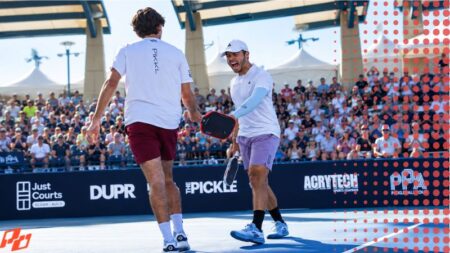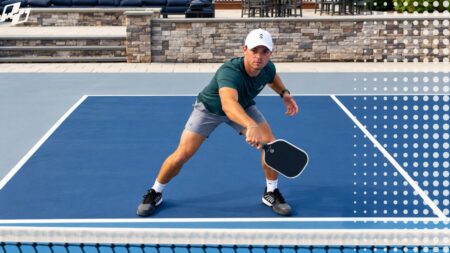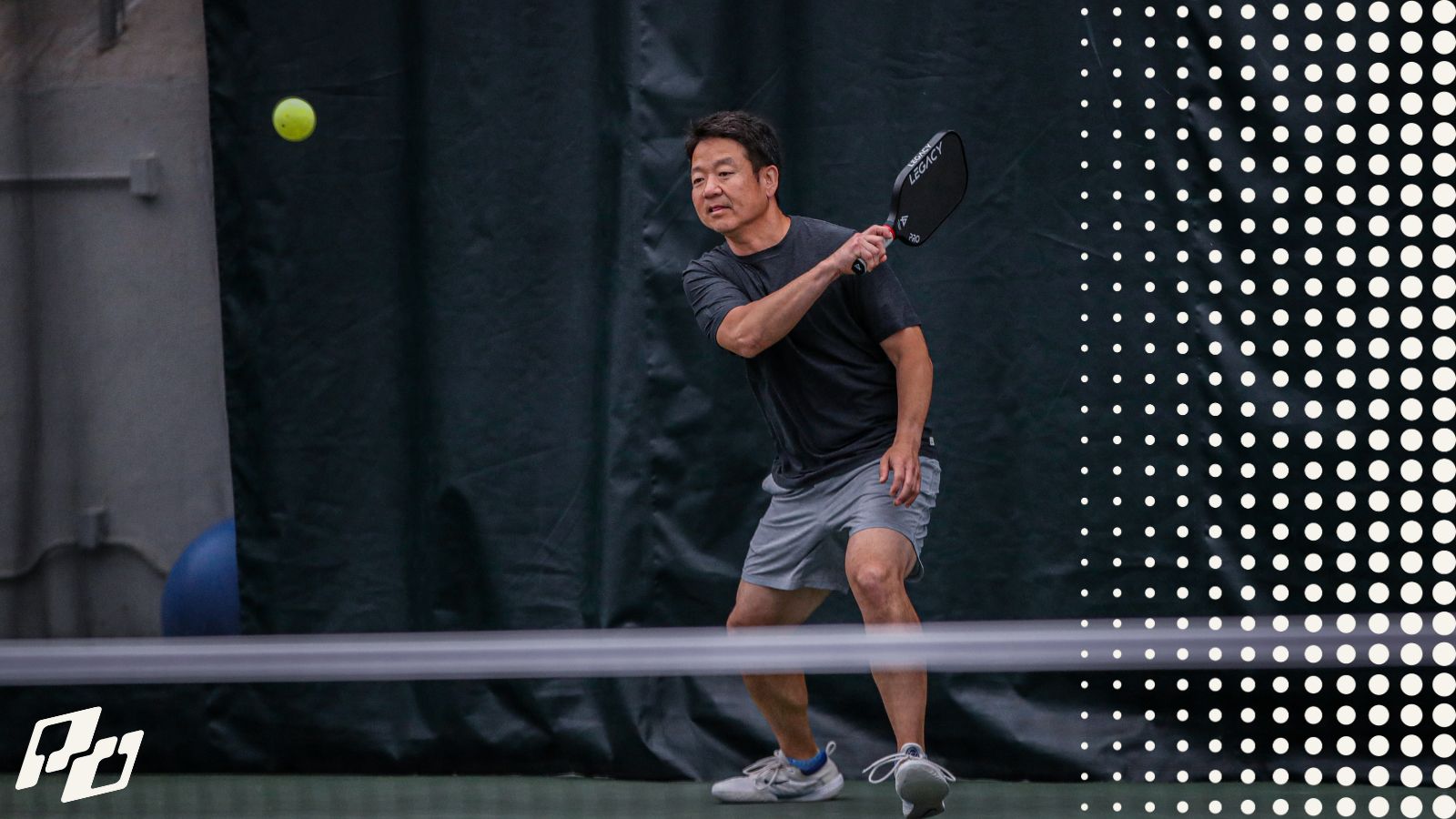
If you’ve ever watched Mari Humberg or Christian Alshon casually bend a ball off the sideline, you’ve probably thought: wait, are slice serves even legal now?
Yes — they are. In 2026, the rules still allow side spin on both volley serves and drop serves, as long as the serve itself is otherwise legal. And when used smartly, the slice serve is one of the most underrated—and strategic—ways to start a rally in pickleball.
Let’s unpack how it works, why it matters, and how to make it bite instead of float.
The Rule Check: What’s Legal in 2026
The USA Pickleball 2026 Rulebook keeps the same baseline for serves:
- On a volley serve, the ball must be no higher than the server’s waist when the paddle contacts it.
- The swing path must be upward for a volley serve.
- On a volley serve, the highest point of the paddle head must clearly not be above the highest part of the server’s wrist joint at contact.
But here’s the key: with a drop serve, the upward-arc, paddle-head-below-wrist, and ball-at-or-below-waist requirements that apply to volley serves do not apply.y.
Bottom line: If you’re going for a big slice, use the drop serve. It’s easier, fully legal, and gives you freedom to “cut” across the ball for that skidding curve:
Why the Slice Serve Works (and Feels So Good)
When done right, a slice serve doesn’t just move sideways — it curves in the air, skids low, and pulls your opponent off balance.
As Mari Humberg explains, “It’s really just a push with a bit of side spin on it.” She’s right. The magic lies in the brush — not the blast.
Here’s what’s happening:
- You swing from outside to inside across the ball.
- The paddle face stays slightly open, cutting along the ball’s outer edge.
- The result? The ball arcs mid-flight and then kicks away after bouncing.
That curving skid is what forces awkward footwork and off-balance returns — even at the pro level.
Why You Should Use a Slice Serve
Most rec players hammer serves straight and flat. The slice serve breaks that rhythm.
- Catches stackers off guard: Great against doubles teams trying to “unwind the stack” — they’re often mid-move when the ball curves.
- Exposes weak backhands: Especially effective when serving from the right (odd) side to a right-handed player’s backhand — or from the left (even) side if you’re a lefty.
- Sets up an offensive third shot: The wide angle opens the court, giving you room to attack down the middle or behind the pulled-out returner.
- Disrupts timing: The spin changes how the ball grips and bounces, throwing off return consistency.
It’s not about aces — it’s about control of the next ball.
How to Hit a Great Slice Serve
You don’t need power — just touch and shape. Try this sequence:
- Start wide on the baseline: Standing slightly left (for right-handers) helps you carve inside-out.
- Drop the ball naturally: release it from a natural height and do not propel it upward, downward, or sideways before the bounce.
- Open your paddle face slightly: Just enough to catch the ball’s edge without sending it upward.
- Brush across the ball: Imagine cutting from 4 o’clock to 10 o’clock on a clock face. Be careful not to cut too far under the ball — that adds backspin instead of sidespin and makes it float.
- Follow through across your body: Finish near your opposite shoulder for maximum curve.
Pro Tip: A slower swing exaggerates the curve, while a faster swing gives more forward drive. Practice both to find your ideal balance.
Who Should Add It (and Who Shouldn’t)
✅ Great for:
- Intermediate to advanced rec players who already serve consistently.
- Control-oriented players who like to work points instead of blasting through them.
- Doubles players who want to manipulate court positioning early.
❌ Less effective for:
- Beginners still struggling with serve depth and consistency.
- Players who prefer high-bouncing top-spin serves to force pop-ups.
- Those playing against opponents with exceptional footwork — they’ll adjust quickly.
As one high-level coach puts it:
“The slice serve isn’t your hammer. It’s your scalpel — you use it to make your opponent move, not to knock them down.”
The Slice Serve in Doubles
This serve shines in doubles play, especially when combined with smart positioning.
- Serve wide to pull the receiver out — then your partner can close the middle.
- Alternate targets: once they cheat wide, serve up the “T” to jam them.
- Use it to disrupt stackers: when opponents are switching sides after the serve, that curve can tangle their footwork and spacing.
As pro player Christian Alshon points out:
“Even at the pro level, a well-placed slice serve can mess with the stack. You can’t unwind cleanly when the ball is moving away from you.”
Bonus Tips to Make It Reliable
Here are a few practice tweaks that make a huge difference:
- If you’re using a volley serve, make sure the ball is no higher than your waist at contact and the paddle head stays below your wrist. If you’re using a drop serve, focus on a legal release.
- Watch your contact point and serve type: on a volley serve, contacting the ball above the waist is a fault; on a drop serve, the key legality issue is the release, not waist-high contact.
- Practice target zones — one wide serve, one middle, one at the “T.”
- Use cones or markers to refine angles.
- Practice both indoor and outdoor, since slice movement changes with surface friction.
Slice with Purpose
The slice serve won’t make crowds gasp. But it will make opponents groan.
It’s that subtle, clever serve that throws rhythm out the window and earns you soft, defensive returns instead of counters.
Used sparingly — once or twice a game — it becomes a weapon of timing and control.
Used too often, it loses its bite.
So next time you step to the line, don’t think “blast it.”
Think: brush it, bend it, and watch them chase it.