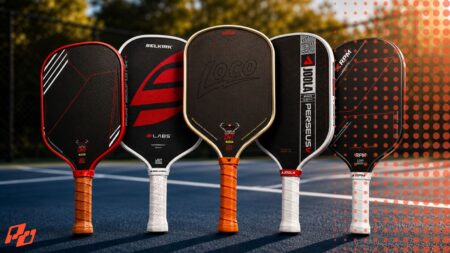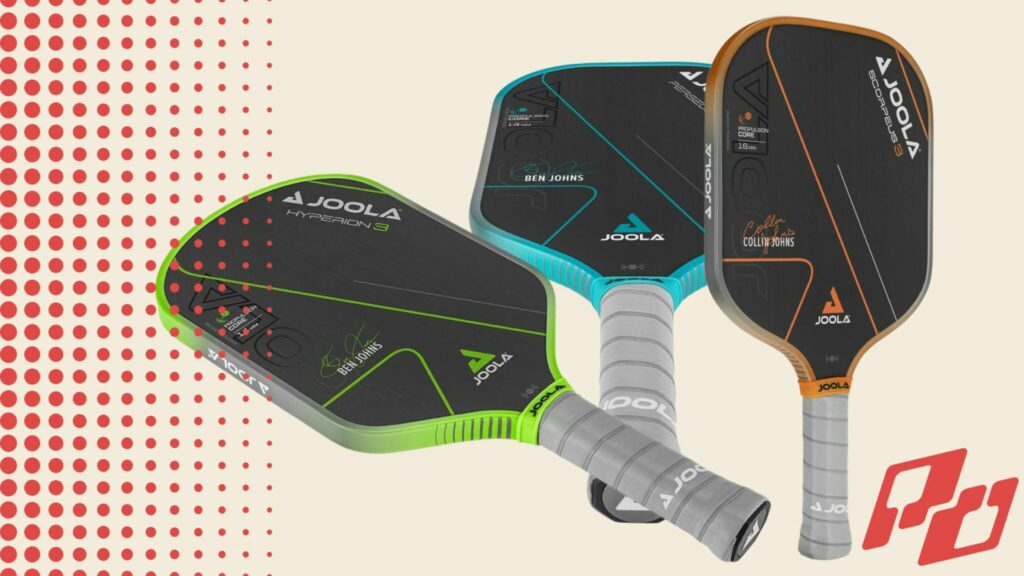
Imagine stepping onto the pickleball court just to find out one of your opponents is playing with a paddle that’s banned by USA Pickleball – would you still play? Banned paddles are a hot topic, and opinions are split. Some players love them for the extra power and control, while others believe they violate the spirit of fair play.
Let’s explore how to navigate the etiquette of using them in recreational play.
Understanding the Ban
So, here’s the deal with banned paddles. USA Pickleball has some pretty strict rules to keep things fair on the court. They look at things like the paddle’s surface texture, what it’s made of, and its size. These rules help ensure everyone’s on a level playing field, especially in competitive matches where even the smallest advantage can tip the scales.
Banned paddles can give players extra spin or power, which is a big no-no in tournaments. That’s why they’re off-limits in those settings.
Why Some Players Love Using Banned Paddles
Let’s talk about why some players love those banned paddles. It’s all about the extra performance boost some of them offer. One player shared, “The banned paddle I use adds a ton of topspin and power to my game. I get why it got banned, but honestly, it’s a blast to play with.”
That extra spin control and power can make a big difference, especially if you’re looking to step up your game. These paddles often provide a unique edge that standard ones just can’t match, which is why they’re so tempting for many players.
Potential Drawbacks of Using Them
Relying on banned paddles might actually hold back your skill development. One player put it this way: “When using banned paddles, players often mess up by over-hitting, but sometimes they also win points they wouldn’t usually get.” This can lead to a false sense of improvement and overconfidence.
Plus, switching back to approved paddles for official games can be tricky since the feel and performance can be really different. This inconsistency can throw off your game and make it harder to maintain a steady performance.
Sticking with approved paddles helps you develop consistent skills that will serve you well in any match.
Avoiding Drama with Banned Paddles in Rec Play
Playing with banned paddles in rec games can stir up some drama. Here’s how to handle it so everyone has a great time:
- Chat About Paddle Choices: If you notice someone’s using a banned paddle and you’re bothered by it, before the game starts, have a quick discussion with your opponents. Being upfront helps set expectations and avoids any mid-game surprises.
- Respect the Game: Even if it’s just for fun, stick to the spirit of the game. Using a banned paddle can come off as unsportsmanlike and rub some players the wrong way.
- Keep It Balanced: While the appeal of a banned paddle’s extra spin or power is strong, think about the overall enjoyment of the game. One player pointed out, “Switching to a banned paddle mid-game just to win isn’t fair.” It’s all about keeping things fun and fair for everyone.
Why Some Players Don’t Sweat Banned Paddles
Many players aren’t bothered by opponents using banned paddles in rec play because they focus more on fun and relaxation than strict rules.
They believe that skill is more important than equipment. As one player put it, “A skilled player can adjust and win, no matter what paddle their opponent is swinging.”
Some see it as a learning opportunity, a chance to practice against varied styles and improve adaptability. Plus, without the high stakes of tournaments, players tend to be more lenient about equipment rules.
So, what matters more to you: the thrill of competition or just having a fun day on the court? Your answer will shape your stance on using banned paddles.
Real Player Comments and Insights
Players have mixed feelings about banned paddles, and it’s crucial to play with individuals you feel at ease with, rather than feeling antagonized. Listening to what other players have to say about this issue may help you gain a different perspective.
Here are some insights from the community:
1. Mixed Feelings
“Some folks are okay with it, some aren’t. Personally, I think if a paddle is banned, it shouldn’t be used. There’s a rulebook for a reason.”
2. Practicality vs. Ethics
“If it’s just a casual game and someone only has a banned paddle, fine. But switching paddles to gain an edge? That’s just not cool.”
3. Fair Play
“I prefer playing with equal paddles and letting our skills decide the game.”
4. Respect the Game
“I normally play with folks I trust to use fair gear. When someone shows up with a banned paddle, it feels like they’re breaking our unwritten rule.”
5. Enjoyment Over Winning
“I’d much prefer losing a fair game over winning with an unfair advantage. It just feels so much better knowing I gave it my all.”
Playing with opponents who use banned paddles can change your perspective on the game. If you find yourself uncomfortable or feeling that the game isn’t fair, it’s okay to voice your concerns. After all, pickleball is about enjoying the game, and it’s hard to have fun if you’re feeling frustrated or worried about your opponent’s gear.
So, find a group that respects your views and fosters a positive playing environment. The goal is to have fun, improve your skills, and enjoy the camaraderie, not to get caught up in controversies over equipment.