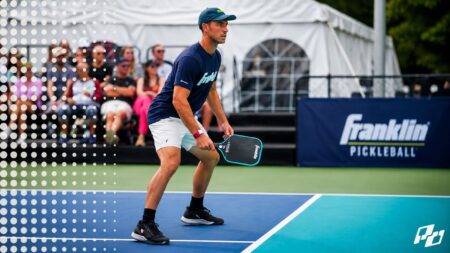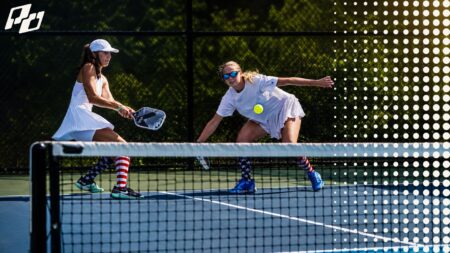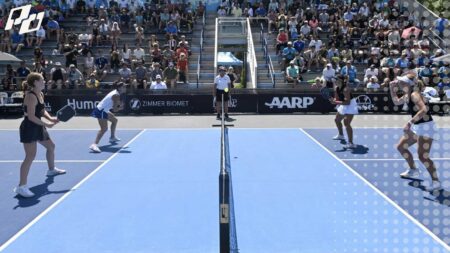


Pickleball is as much about strategy and teamwork as it is about skill. One of the trickiest dynamics in doubles play is deciding when to let your weaker partner take the shot and when to step in and take over.
Striking the right balance can mean the difference between a win and a loss. Here’s a comprehensive guide to help you navigate this delicate aspect of the game.
Be the Teammate You Once Needed
Pickleball doubles isn’t just about winning points—it’s about being a true team player. Remember when you were the weaker player, learning the ropes and building confidence? Your partner is on that same journey now, and your support can make all the difference. Encouraging them, even when they miss a shot, helps them grow and feel valued.
Resist the urge to take over every rally. Instead, build trust by giving them opportunities to contribute while positioning yourself smartly to back them up. Open communication about shot responsibilities and a little patience go a long way.
When to Let Your Weaker Partner Take the Shot
| Shot Type | When to Let Your Weaker Partner Take It | Why |
|---|---|---|
| Routine Dinks | When the ball is slow and near them | Builds confidence with soft shots |
| Baseline Returns | When the serve or return is simple and aimed at them | Helps improve control and consistency |
| Third Shot Drops | During practice or non-competitive games | Develops finesse and shot selection |
| Cross-Court Dinks | When the ball is in their zone during a rally | Enhances accuracy, footwork, and patience |
| Soft Volleys | When the ball is gently lofted near their paddle | Helps with timing and paddle control |
| Mid-Court Shots | When they are in position with time to react | Builds confidence in mid-court play |
| Lobs | When the lob is slow and easy to track | Allows practice of overhead shots |
| Serve Returns | When the serve is slow and manageable | Improves return consistency and placement |
| Defensive Blocks | When the ball is slow and coming directly at them | Develops defensive reaction and paddle position |
| Easy Put-Aways | When they have a clear, close shot at the net | Boosts confidence by finishing points |
1. Routine Shots in Their Zone
- Beginner (2.0-2.5): Encourage your partner to handle easy, straightforward shots in their area, such as slow-moving balls or dinks.
- Intermediate (3.0-3.5): Allow your partner to take routine baseline shots and simple volleys to build their comfort and competence.
2. When Developing Their Skills
Let your partner take on challenging shots during practice or casual games. It’s tempting to take control, but giving them chances to handle lobs, drops, and volleys helps them grow. They may miss some, but that’s part of learning.
Offer encouragement and simple tips like, “Nice try! Next time aim a little lower.” Let them experiment, make mistakes, and build confidence. Practice is where growth happens—support their efforts, and you’ll see their skills improve.
3. To Maintain Court Balance
Good court balance is essential in doubles. If your partner is in a better position, let them take the shot—even if you’re the stronger player. Overextending to cover shots can leave you vulnerable. Trust your partner to handle what’s in their zone.
Encouraging them to step up keeps both players balanced and improves overall teamwork. With time, they’ll become more reliable, and your team’s coverage will strengthen.
When to Take Over
| Shot Type | When to Take Over | Why |
|---|---|---|
| Fast Drives | When the opponent hits a fast-paced drive at your partner | Prevents errors and keeps the point alive |
| High Lobs | When a high lob offers a chance for an overhead smash | Converts defense into offense with a strong put-away |
| Hard Returns | When opponents hit deep, powerful returns | Reduces the risk of mishits by your weaker partner |
| Overhead Smashes | When the ball is high and attackable | Ends the rally quickly with an aggressive shot |
| Soft Returns | When a weak return from opponents can be easily attacked | Seizes an easy offensive opportunity |
| Drop Shots | When a short ball near the net can be angled or put away | Takes advantage of the open court |
| Cross-Court Shots | When opponents hit sharp angles and your partner is off-balance | Covers the court and keeps the rally going |
| Mid-Court Shots | When the ball sits up in the transition zone | Avoids weak returns and maintains pressure |
| Volleys at the Net | When quick reflexes are needed for fast exchanges | Ensures controlled, offensive volleys |
1. High-Pressure Situations
- Beginner (2.0-2.5): Step in when facing aggressive shots, high lobs, or fast-paced returns that your partner may struggle with.
- Intermediate (3.0-3.5): Take charge when there’s an opportunity for a strong offensive shot, such as overhead smashes or well-placed volleys.
2. Offensive Opportunities

In pickleball doubles, seizing offensive opportunities can make or break a point. When a clear put-away shot presents itself—like a high ball ready to be smashed or a soft return you can drive—take control, even if it’s closer to your partner. Quick, clear communication with a firm “Mine!” prevents confusion and ensures you capitalize on the moment.
Remember, it’s not about overshadowing your partner; it’s about using your strengths to benefit the team when the moment calls for it. The more you practice this, the more instinctive it becomes, leading to smooth transitions and effective shot execution.
3. Defensive Necessity
Defense is just as important as offense in pickleball, and sometimes you’ll need to step up when your partner is out of position. Maybe they’ve been pulled wide by a sharp cross-court shot, or they’re scrambling to recover from a tough volley. In these situations, it’s your job to cover for them. This means anticipating the next shot, moving quickly, and positioning yourself to defend the open court.
Good defensive play isn’t about heroics; it’s about smart, efficient movement and being ready to back up your partner when they need it most. Over time, this mutual support creates a solid defensive foundation, making your team harder to break down and more resilient under pressure.
Communication is Key
Strong communication is the backbone of any successful pickleball doubles team. Use this guide to keep your communication clear and effective:
✅ Pre-Game Strategy
- Discuss strengths, weaknesses, and game plans before you hit the court.
- Clarify court coverage—who takes the middle, lobs, and third shots.
- Set expectations for shot calls and support each other’s playstyle.
✅ In-Game Communication
- Use quick, clear cues like “Mine!”, “Yours!”, or “Switch!” to avoid confusion.
- Call shots early so both players stay confident and in sync.
- Offer encouragement after every rally—positive vibes matter!
✅ Post-Game Feedback
- Reflect on the match—what worked well and what needs improvement.
- Give constructive feedback focused on solutions, like “Next time, let’s try this…”
- Celebrate wins and progress, no matter how small, to keep morale high.
Communicating effectively before, during, and after your matches will build trust, improve your gameplay, and make every match more enjoyable!
Wrapping It Up: Your Game Plan for Success
Mastering the balance between supporting your weaker partner and knowing when to take charge is key to excelling in pickleball doubles. Here’s your takeaway game plan:
✅ Prioritize Teamwork: Trust, encourage, and uplift your partner—you’re in this together.
✅ Communicate Clearly: Call shots early, discuss strategies, and offer positive feedback.
✅ Play Smart: Know when to let your partner handle the shot and when to step in for the win.
✅ Stay Patient: Improvement takes time. Support each other’s growth every step of the way.
✅ Have Fun! Pickleball is about enjoying the game—wins will follow when your partnership thrives.
Stick to this plan, and you’ll not only see better results on the scoreboard but also build a partnership that makes every game more rewarding. See you on the court!