
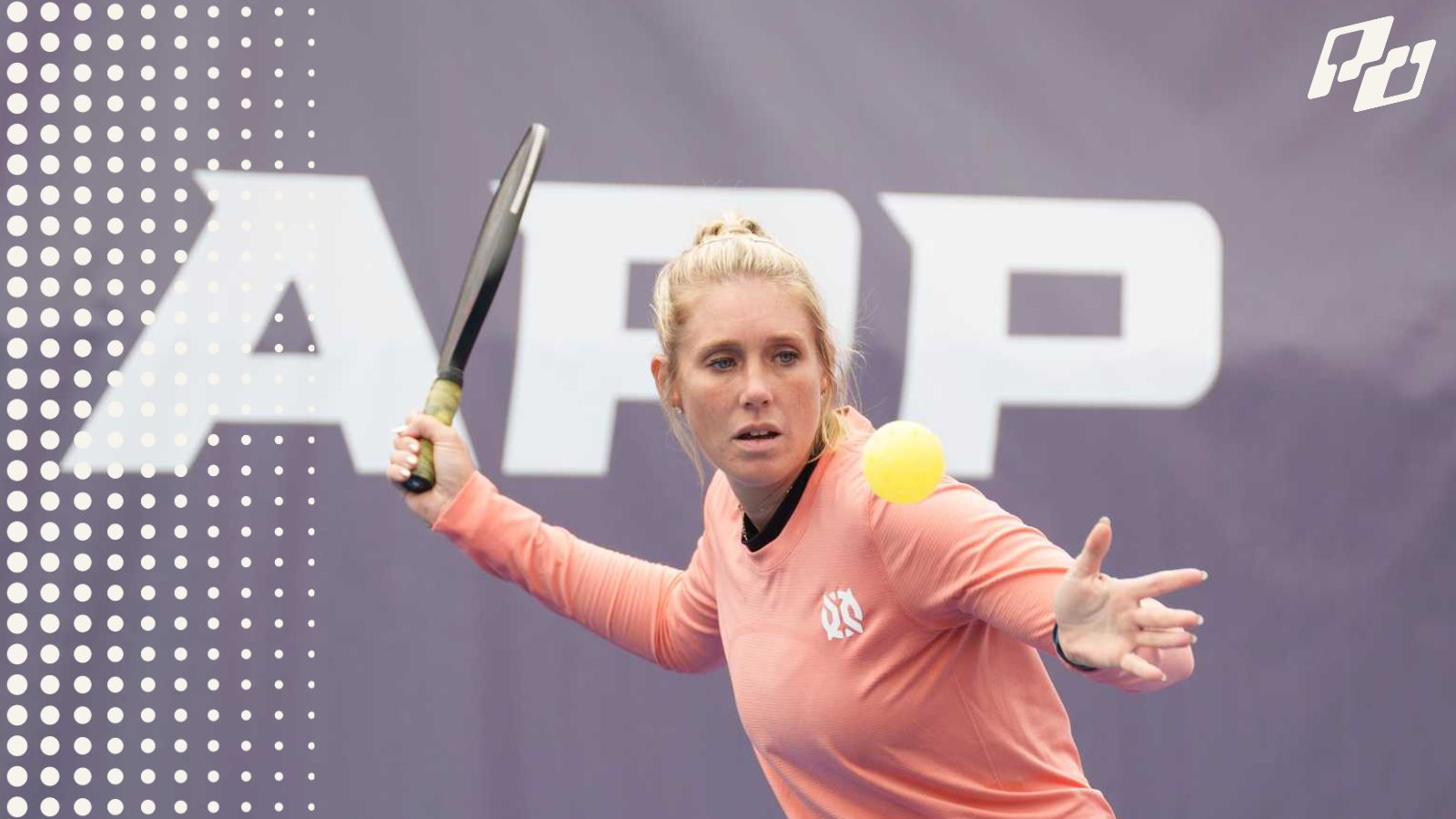
I know — it sounds basic. “Keep your eye on the ball” is the oldest piece of sports advice ever spoken. But in pickleball, how you look at the ball can be the difference between a clean, confident shot and a frustrating mis-hit that dies halfway to the kitchen.
Let’s go deeper than the cliché. This isn’t about “staring harder.” It’s about how your brain actually processes what your eyes see — and how you can train that link to make every contact cleaner, earlier, and more consistent.
Why “Eyes on the Ball” Actually Works
Here’s what’s really happening when coaches tell you to “keep your eyes on the ball.”
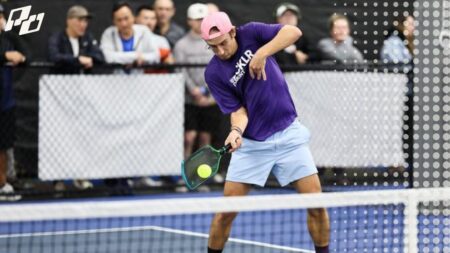
When you track the ball all the way into your paddle and keep your eyes fixed on where it was for half a second after contact, you’re doing two important things:
- You’re staying through contact. Your head stays still, your posture steady, your paddle path smooth.
- You’re giving your brain uninterrupted visual data. That constant feed helps it learn cause and effect — what your paddle angle and swing path actually did to the ball.
Your visual system needs those extra milliseconds of information to calibrate how spin, paddle face, and bounce interact. It’s like giving your brain live feedback instead of letting it guess later.
In fact, vision scientists call this a “quiet eye” moment — the final, stable visual fixation just before and during contact. Elite athletes across sports show longer, steadier “quiet eye” focus than average players, and it directly correlates with higher consistency under pressure.
The Science Behind the “Empty Spot Trick”
In a recent discussion about it, one player nailed it: when you move your eyes too early — say, glancing up to see where your shot’s going — your brain briefly “turns off” visual processing. It’s called saccadic suppression — a natural quirk where the brain momentarily blanks vision during rapid eye movements.
That’s why sometimes when you look at a clock, the second hand seems to freeze for a moment. Your brain essentially filled in the gap.
In pickleball, that gap means you lose track of the ball at the most critical moment — right before contact. That’s when mis-hits happen.
By keeping your gaze fixed on the spot where the ball was for a split second after impact, you teach your brain to process clean, uninterrupted visual data — exactly what it needs to fine-tune your timing.
How Beginners Should Train It
If you’re newer to pickleball, this is one of the fastest, most reliable ways to improve contact quality.
Here’s a drill:
- During warm-ups, tell yourself out loud, “Watch the ball hit the paddle.”
- After every hit, keep your eyes pointed at that exact contact spot for half a second before looking up.
- Do it until it feels silly. That exaggeration is what trains the habit.
It may feel robotic at first, but after a week or two, you’ll start to feel the ball on the paddle with more precision. Your brain is literally building a feedback loop between your visual and motor systems.
Bonus tip: If you struggle with timing, imagine the ball leaving the paddle toward your target before you look up. That mental picture keeps your head steady and your swing complete.
What Intermediate Players Should Focus On
For players around the 3.0–3.5 range, the challenge shifts. You already make solid contact most of the time — now it’s about balancing ball focus with opponent awareness.
At this stage, the mistake isn’t “looking too early,” it’s looking too soon.
You need to see both: the ball’s rotation and your opponent’s position. The trick is timing your gaze shift.
- Track the ball all the way until just before impact.
- Let your eyes stay anchored through contact.
- Then, as the ball leaves your paddle, lift your vision to scan your opponent’s movement.
That small delay (literally milliseconds) keeps your head still through contact while still giving you tactical awareness.
If you find yourself missing dinks or drives late in rallies, chances are you’re glancing up too soon — usually trying to check if your opponent is about to attack. Trust that your peripheral vision will catch movement; your job is to finish the shot you started.
The Next Level: Ball vs. Opponent Focus
So, should you focus more on the ball or your opponent? The answer depends on when you’re looking.
When the ball is on your side of the court, your priority is pure tracking. Keep your eyes on the ball’s path, read its bounce, and focus through contact.
But once the ball leaves your paddle, it’s time to shift attention outward — to your opponent’s setup. Their paddle angle, stance, and foot movement will tell you far more about the next rally exchange than the flight of your own shot.
This is the same visual rhythm pros use:
- Ball focus → Contact → Opponent focus.
It’s a constant dance between micro and macro — the precision of your contact and the awareness of the battlefield.
Reading Opponent “Tells”
Here’s where things get fun — and tactical. Your opponent’s body language can give away their next move before the ball even comes back.
Watch for these clues in your peripheral vision:
- Paddle angle: low = dink/drop, high = drive.
- Knee bend: deeper = soft touch, upright = power shot.
- Foot position: stepping forward = volley, stepping back = reset or lob.
- Grip tension: tight = attack, relaxed = control.
You’ll start to “see the future” of the rally — not by reaction time, but by anticipation.
Placement Over Power
This new level of visual control doesn’t just make you hit cleaner — it makes you smarter.
When you can see both the ball and your opponent clearly, you stop aiming blindly and start placing intentionally.
- Deep shots push your opponent off the line.
- Angles force them to run.
- Soft dinks pull them wide.
Instead of swinging harder, you start thinking, “Where’s the best place to put this?”
That’s when you go from playing pickleball to playing chess with a paddle.
The Balance to Aim For
In pickleball, your eyes need two gears:
- Gear 1: precision — lock onto the ball, steady your head, and see through contact.
- Gear 2: awareness — shift to your opponent, read the court, and plan your next shot.
If you’re always in gear one, you’ll hit clean but play blind.
If you’re always in gear two, you’ll see the court but miss clean contact.
The magic happens in the rhythm between them.
The Takeaway
“Keep your eye on the ball” is great advice — it’s just not the whole advice.
For beginners, it builds the foundation: still head, steady focus, clean contact.
For intermediates, it evolves: read the opponent, anticipate patterns, and place your shots with intent.
So the next time you’re on court, think of your focus like a zoom lens: lock in to capture the details when the ball’s near you, then zoom out to take in the big picture once it’s away.
Because in pickleball, vision isn’t just about seeing the ball.
It’s about seeing the game.