Most recreational and intermediate pickleball players think they’re missing shots because of bad technique.
In reality, they’re missing because they’re aiming at the wrong parts of the court.
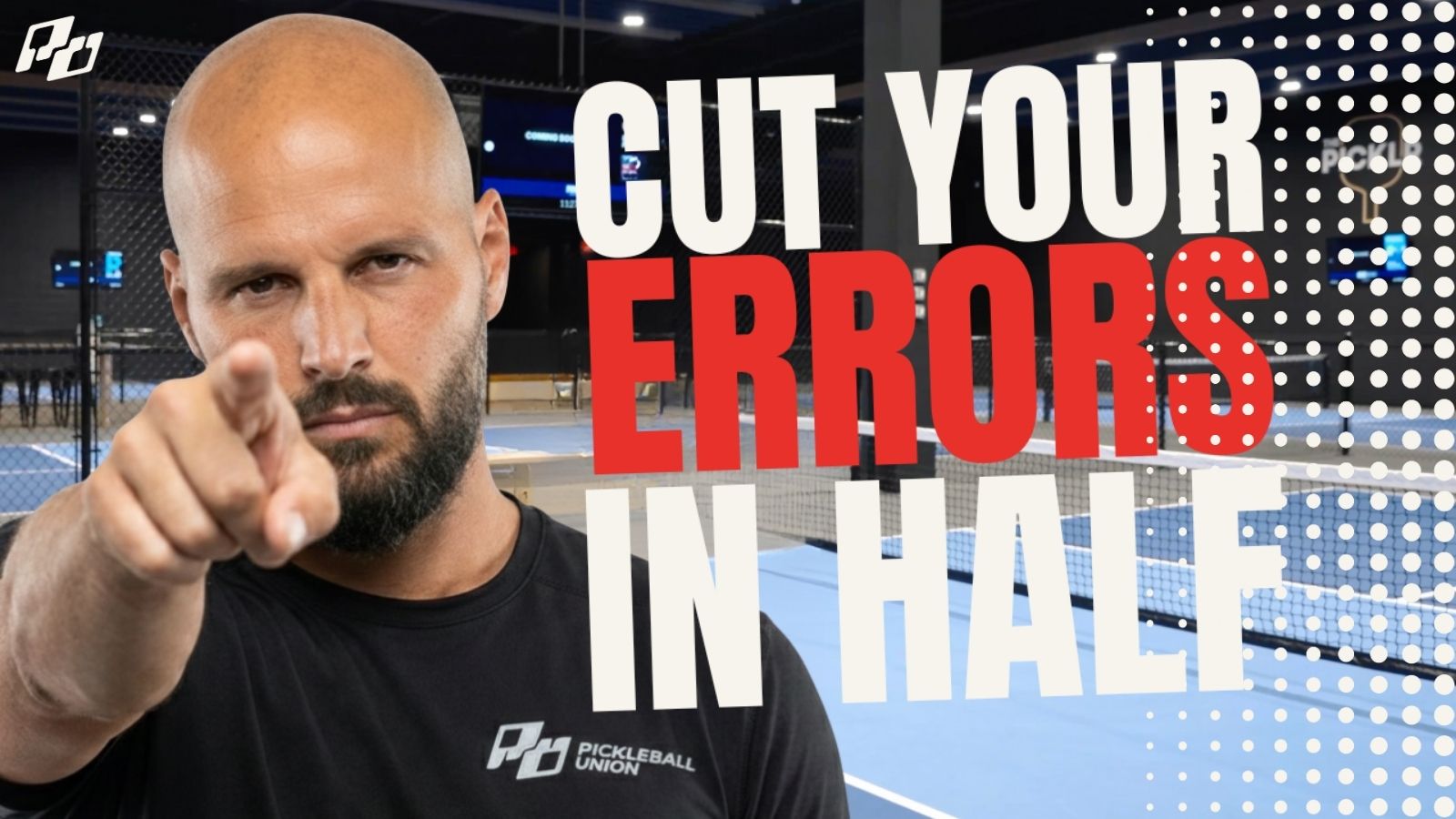
This video was shot with our pickleball coach Marko Grgic, and it focuses on one of the most overlooked skills in rec play: target selection. Not new shots. Not spin tricks. Just higher-margin targets that immediately reduce errors and simplify decision-making when rallies speed up.
This is especially useful for:
- beginners who miss wide or long far too often
- intermediate players stuck around 3.0–3.5
- anyone who feels solid in practice but leaks points in games
If that sounds familiar, this is one of the fastest fixes you’ll find.
Watch First: The 4 Targets That Instantly Clean Up Your Game
This video matters because it addresses the real reason points are lost at the rec level: not bad swings — bad decisions.
As Marko explains, these targets work because they:
- increase margin for error
- reduce sideline misses
- simplify decisions under pressure
- force opponents to make the first mistake
Now let’s break down each target — and add the why behind them.
Target #1: Serve to the Bigger Side of the Court
Many players aim close to the sideline on serves because it feels aggressive. But aggression without margin is just donated points.
What this target does: Instead of aiming for the smaller window, you choose the side of your opponent that has more open court. Bigger target. Safer target.
Why it works:
- Larger margin = fewer misses
- You still get depth without flirting with the sideline
- A deep, playable serve is far more valuable than a missed “great” serve
At the rec level, the serve doesn’t need to win the point. It just needs to start the rally without giving one away.
➡️ If you’re missing serves wide or long, don’t swing softer — aim bigger.
Target #2: Return of Serve — Deep, Down the Middle
This one surprises a lot of players. Instead of aiming crosscourt or near the sideline, Marko recommends aiming deep, straight down the middle.
Why the middle is such a strong return target:
- It’s the largest target on the court
- You completely remove wide misses
- It creates hesitation and communication issues
- It buys you time to get to the kitchen
➡️ Most return errors at the rec level aren’t depth errors — they’re lateral ones. A deep middle return simplifies your job and immediately puts pressure on the other team.
Target #3: Resets Across the Middle of the Net
This might be the most important target in the entire video.
When you’re under pressure — stretched, late, or defending pace — the safest place in pickleball is the middle of the net.
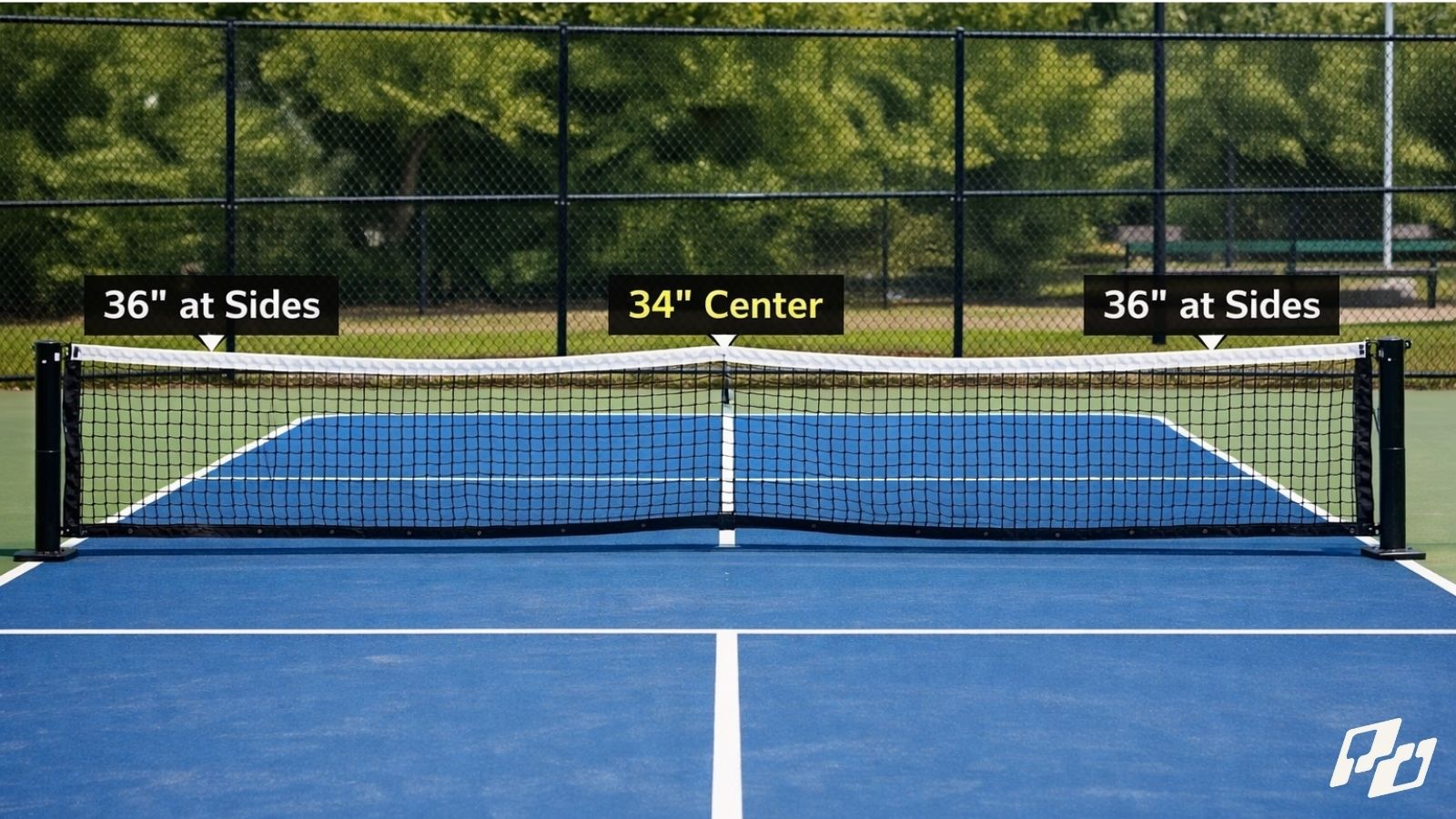
Why this target is so forgiving:
- The net is two inches lower in the middle
- You’re free from sideline risk
- You can add height without fear
- You neutralize the rally instead of escalating it
Marko also emphasizes aiming shallow into the kitchen, not deep.
That combination slows the point down and forces opponents to hit up — which is exactly what you want when you’re on defense.
Common mistake this fixes: trying to be perfect under pressure.
➡️ When you’re in trouble, your job isn’t to be clever — it’s to stay in the point.
Target #4: Speed Up Straight Ahead — Not Crosscourt
This is where many intermediate players quietly give games away. They see an attackable ball and immediately:
- swing hard
- aim crosscourt
- spray the ball wide
Marko’s advice is simple and effective: speed up straight ahead, in front of you.
Why straight-ahead speed-ups work:
- Fewer lateral misses
- Clearer visual target
- Simpler paddle path
- Better anticipation for the next ball
➡️ Crosscourt speed-ups demand more precision and timing. Straight-ahead attacks win points now.
When You’re Allowed to Break These Rules
This part matters.
These targets are default targets, not permanent restrictions.
You earn the right to aim smaller after:
- your margins are consistent
- your errors are under control
- you’re balanced and not under pressure
Higher-level players aim closer to lines because:
- their contact point is stable
- their footwork supports it
- the situation actually calls for it
Rec players often do this backward — aiming small before they’ve earned it.
If the rally is neutral or defensive, stick with the big window. If your opponent is clearly off balance, then you can shrink the target.
One Mental Rule That Makes These Targets Automatic
If you want one rule to remember mid-game, make it this:
When the rally feels fast, aim bigger.
When the opponent is off balance, aim smaller.
That’s it.
This single rule removes overthinking and keeps you from forcing low-percentage shots when pressure rises.
Most errors happen when players do the opposite — aiming smaller because the rally feels fast.
Why These Targets Cut Errors So Fast
All four targets have one thing in common: they reduce decision complexity.
Instead of asking:
- “How hard should I swing?”
- “Should I go crosscourt or down the line?”
- “Can I pull this off?”
You’re asking:
- “What’s the biggest, safest window right now?”
That mental simplicity is a massive advantage — especially late in games.