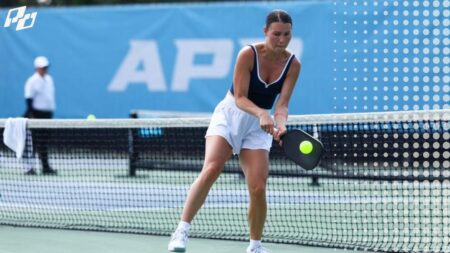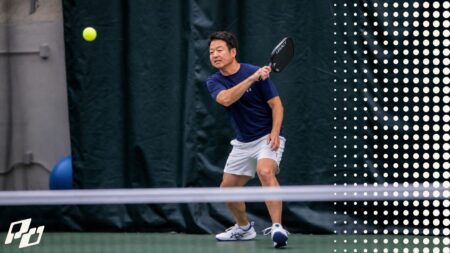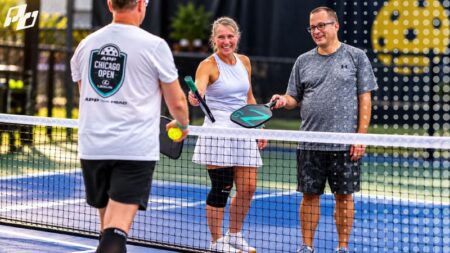
There’s a moment many recreational pickleball players eventually reach.
You’re playing regularly. You know the faces. You win more games than you lose. You’re comfortable—maybe even dominant—in your usual open play group.
And instead of feeling satisfied, you start asking a quiet question: “Am I actually getting better… or just getting used to this level?”
That question opens up one of pickleball’s most interesting (and emotional) conversations: how important competition really is in rec play—and how to balance improvement with enjoyment.
The honest answer?
It depends on why you play—but ignoring the tension entirely is usually where frustration starts.
When Winning Stops Feeling Like Progress
At first, winning feels great. It’s validating. It confirms you’re improving.
But over time, if you’re consistently the strongest player on the court, something subtle begins to happen. You start covering more court than you should. You speed balls up from awkward positions. You take chances that would never work against stronger opponents—and because no one punishes them, your brain quietly files them under “good decisions.”
That’s not arrogance. That’s human psychology.
We learn from feedback. If the environment stops providing honest feedback, improvement slows—even if confidence grows.
Many rec players don’t stall because they lack effort or talent. They stall because the game stops pushing back.
Why Playing Better Players Feels So Different
Playing against stronger competition does something rec play often can’t: it reveals truth.
Shots you thought were putaways come back fast. Drops you believed were “good enough” bounce too high. Speed-ups that worked last week suddenly get countered at your feet.
It can feel brutal—but it’s also incredibly informative.
One player described it perfectly: “There are situations you just never see until you play better players.” That’s the real value of higher-level games. Not ego. Not status. Exposure.
That said, there’s a difference between playing up and playing way up. If every rally ends before you can process what went wrong, learning shuts down. The goal isn’t to survive—it’s to engage.
The most productive growth happens when you’re challenged, not overwhelmed.
The Hidden Cost of Always Playing Down
Playing with weaker players isn’t inherently bad. In fact, it can be fun, social, and even useful—if you’re intentional.
But when all your pickleball time happens in games where mistakes aren’t punished, habits form quietly. Court positioning drifts. Shot discipline fades. Decision-making becomes looser. You start winning points in ways that won’t translate later.
One competitive player admitted something many recognize: “I get away with off-balance speed-ups in rec play. Against better players, I’d lose the point immediately.”
That’s the danger—not fun, but false reinforcement.
Over time, some players realize they’ve actually gotten worse at higher-level fundamentals… while still winning games.
That’s a tough moment.
Enjoyment Matters More Than We Admit
Here’s the part that deserves more respect: pickleball is supposed to be fun.
Not everyone is chasing ratings, tournaments, or the next level. For many players, the joy comes from movement, laughter, friendships, and the rhythm of play. Competitive pressure can drain that joy fast.
Some players genuinely prefer a less intense environment. Others find highly competitive groups tense, overly critical, or just not enjoyable.
And that’s okay.
The problem isn’t choosing fun over improvement. The problem is wanting improvement while living entirely in a fun-only environment—and then wondering why frustration creeps in.
Your goals don’t have to match anyone else’s. They just need to be honest.
Competitive Without Being Miserable: The Real Skill

One of the hardest skills in pickleball isn’t a third-shot drop or a reset. It’s learning how to be competitive without getting emotionally hijacked.
Competitive players often struggle not because they lose—but because losing feels personal. Missed shots spiral into frustration. Strong opponents feel threatening instead of informative. Sessions feel draining instead of energizing.
The healthiest competitive players I know reframe things differently. They don’t ask, “Did I win?” They ask, “What showed up today that I didn’t expect?”
That shift changes everything.
Frustration becomes data. Losses become specific. Improvement feels tangible again.
Finding the Right Mix (There Is One)
The rec players who last—and keep improving—eventually stop trying to make pickleball one thing all the time.
They mix environments:
✔ They play relaxed open play for joy and community.
✔ They seek slightly stronger players for growth.
✔ They drill to clean up weaknesses.
✔ They compete when they want clarity.
✘ They don’t abandon their friends.
✘ They don’t ignore their ambition.
✘ They stop asking one setting to meet every need.
And perhaps most importantly, they give themselves permission to evolve.
The Question Worth Asking (And What to Do About It)
Instead of asking, “Am I playing at the right level?” ask something more useful: “Is how I’m playing pickleball right now helping me get what I want from it?”
If the answer is yes, keep going. If it’s no, the solution isn’t quitting or forcing tougher games—it’s adjusting the mix.
- Add one session a week that challenges you.
- Protect one session that’s just for fun.
- Use drilling or focused games to bridge the gap between the two.
Pickleball is a long game—not just in rallies, but in mindset. When enjoyment and improvement are intentionally balanced, frustration drops, motivation returns, and progress starts showing up without you chasing it.
When Frustration Creeps In, Try This Instead
Frustration in pickleball usually isn’t random — it’s a signal. The key is responding to the cause, not just the feeling.
Here’s a simple way to turn common frustration points into productive adjustments:
| If You’re Feeling Frustrated Because… | What’s Probably Happening | Try This Instead |
|---|---|---|
| You’re winning easily but feel bored | You’re not being challenged | Add one “play-up” session per week or set a constraint (no speed-ups, drops only) |
| You’re losing badly and feel discouraged | The level gap is too big | Step down half a level and focus on one skill (resets, returns, positioning) |
| You’re playing well but still losing | Decision-making isn’t matching execution | Track patterns, not points — what shots are getting punished? |
| You’re tense every game | Outcome matters too much | Pick one non-score goal (depth, patience, footwork) and judge success by that |
| You feel stuck despite playing a lot | Repetition without feedback | Replace one open-play session with drilling or focused games |
| You’re annoyed with partners or opponents | Expectations are misaligned | Adjust your goal for the session: fun, reps, or challenge — not all three |
Frustration isn’t a sign you’re failing — it’s information. When you respond with a small, intentional change instead of pushing harder, the game almost always feels better within a week.