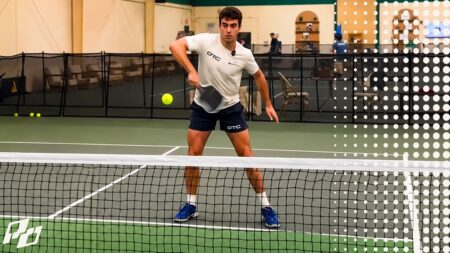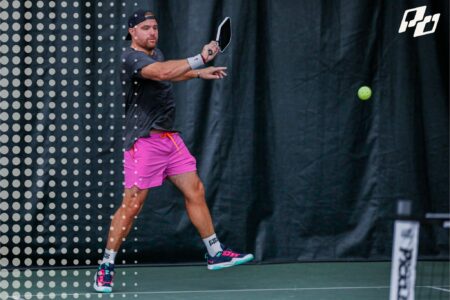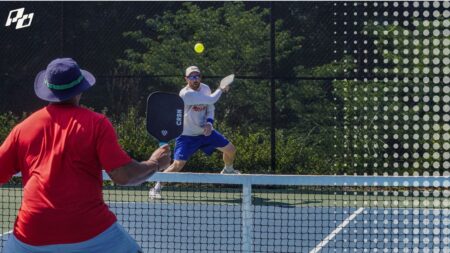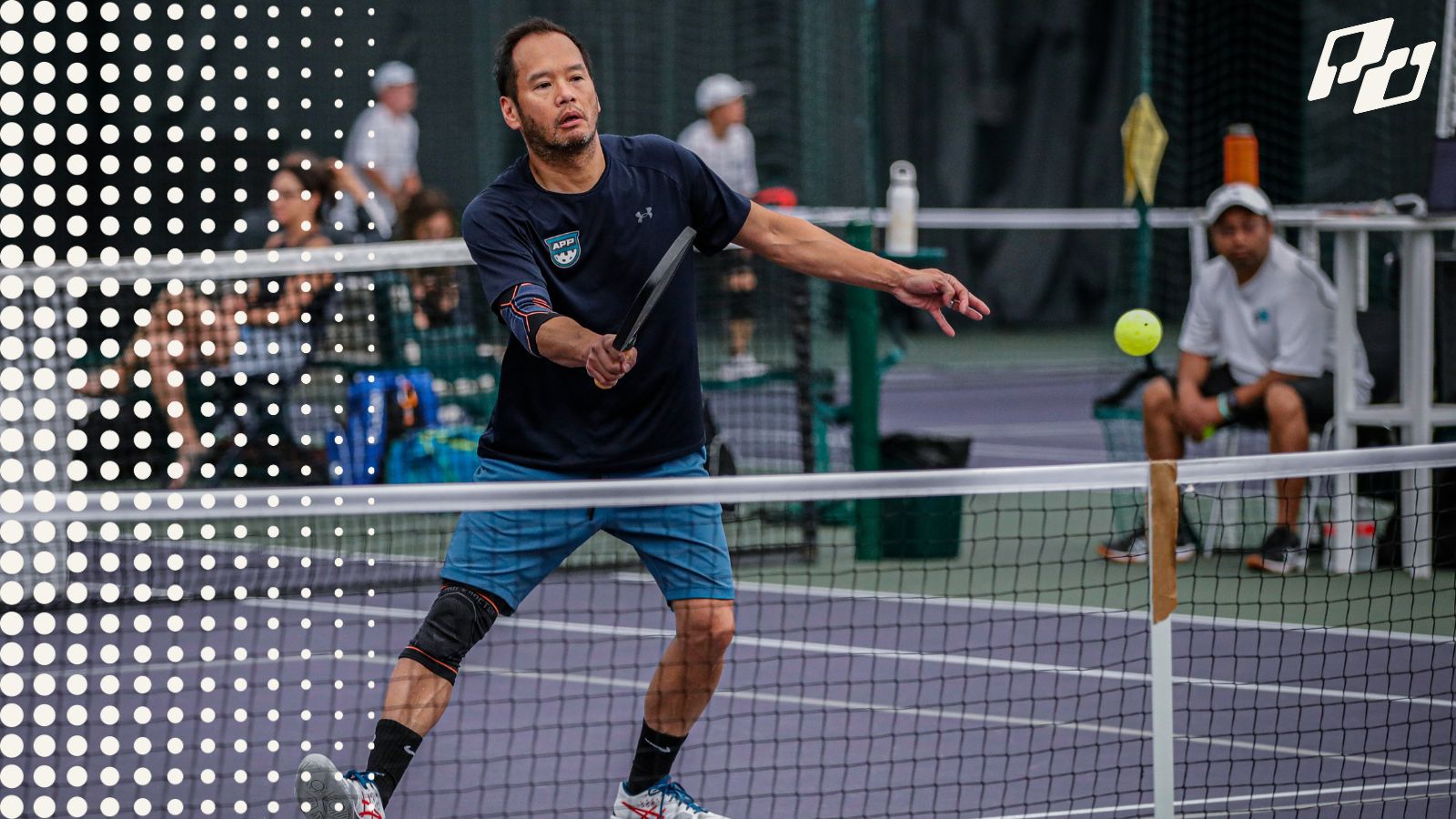
You know the one. Your partner sets up the point, the ball floats in, and your brain goes, “Finally—free point.” And then… you miss it. Or you pop it up. Or you “finish” it right into a waiting paddle.
Here’s the truth that makes this problem solvable:
Most “easy-shot” misses aren’t caused by bad technique. They’re caused by small breakdowns in timing, vision, footwork, or decision-making—right when players stop respecting the ball.
That’s why these misses feel so frustrating. You know you can hit the shot. You just didn’t—this time.
Let’s unpack why this happens from every angle, and what actually fixes it.
What “Easy” Really Means in Pickleball (And Why It’s Misleading)
In rec pickleball, “easy” usually means:
- the ball is slower
- the bounce is predictable
- you expect to be aggressive
But here’s the trap: “easy” shifts your brain from execution to outcome.
Instead of thinking contact, balance, shape, you think winner. Eyes lift early. Feet stop adjusting. The swing grows just a little too big.
That mental shift—not the ball—is where the error begins.
The #1 Cause of Easy Shot Misses: Looking Away Too Soon
A huge percentage of easy misses come down to vision—not in the medical sense, but in eye behavior.
Most players don’t consciously “take their eye off the ball.” What actually happens is subtler:
their eyes jump to the target a split second before contact.
When that happens:
- the paddle face guesses instead of confirms
- the contact point drifts
- mishits spike
This is especially common on putaways and volleys, where the desire to finish is strongest.
Practical fix: instead of “watch the ball,” use this cue;
Keep your chin down until you hear contact.
You won’t truly see contact at speed—but staying down long enough prevents early eye lift.
Why Footwork Breaks Down on Easy Balls (And Why That Matters)
Hard shots force movement. Easy shots invite laziness.
When players think they have time, they stop making micro-adjustments. The feet plant early—or worse, stop entirely—and the upper body tries to compensate.
That’s when you see:
- drifting into contact
- reaching instead of spacing
- popping up because the body rises
This is also where foot drags quietly help. Instead of taking extra steps or overreaching, better players stay grounded and use a light drag of the trailing foot to regulate distance and timing.
That connection to the court allows late, controlled adjustments without rushing or losing balance.
Kitchen Misses Usually Come From Swings That Are Too Big
The non-volley zone is a timing zone, not a power zone.
Many “easy” kitchen misses happen because players use a groundstroke-style swing on a volley-height ball. That creates too much paddle travel and too much face variation.
At the kitchen:
- time is limited
- margin is thin
- compact beats powerful
Better cue: think punch and freeze, not swing through. Short acceleration, stable face, stop the paddle:
When “Easy” Balls Are Actually Misclassified
A ball can be slow and still be unattackable.
If the contact point is low—even if the ball feels comfortable—trying to hit straight through it often leads to the net or sailing long.
A simple filter that works in real games:
Can I drive a straight line over the net safely from this height?
If the answer is no, you need shape, not pace. Roll it, redirect it, or play with margin.
Which “Easy” Shot Do You Miss Most?
This is where diagnosis matters.
Players who miss long are often peeking early and adding pace they don’t need.
Players who miss into the net are usually upright, contacting too low, or swinging flat.
Players who pop balls up are often drifting through contact or opening the face while moving.
The miss tells you what broke. Fixing something unrelated—grip, paddle, swing path—just delays progress.
The Correct Relationship Between Contact Height and Swing Size
This is where a lot of advice goes wrong, so let’s be very clear: at the kitchen, higher contact does not mean a bigger swing. In fact, it usually means the opposite.
CONTACT HEIGHT ↑ (closer to the kitchen / faster exchanges)
HIGH (volleys, putaways above net)
→ very compact motion
(punch, stable face, freeze after contact)
MID (ball rising after bounce near NVZ)
→ compact swing with shape
(roll volley, controlled acceleration)
LOW (below net / near feet)
→ soft hands + lift or arc
(reset, dink, controlled trajectory)
MORE ERRORS happen when players do too much: big backswing, extra wrist, forcing pace.
Key idea: the higher and faster the ball is at the kitchen, the less you should do. When the ball is low, you don’t swing bigger—you add shape and margin.
What Not to “Fix”
This matters. Easy-shot misses are usually not caused by:
- lack of power
- bad paddles
- not being aggressive enough
They’re caused by doing too much at the wrong moment.
The Real Fix: Do Less, But Do It the Same Way
If you’re missing easy shots, it doesn’t mean you’re regressing. It usually means you’re improving—and the game is asking for more restraint, not more effort.
Easy balls tempt you to rush, force, and finish. The players who stop missing them aren’t doing anything special. They’re just calm enough to repeat the same habits: eyes down a beat longer, feet set, swing sized for the moment.
Real consistency doesn’t come from trying harder on the easy ones. It comes from trusting your process and letting the point finish itself.
Once you stop treating easy shots like opportunities to prove something, they quietly start going where you expect them to.