If you’ve ever watched higher-level pickleball players and wondered why they look so calm—even when they’re stretched wide—it almost always comes back to footwork. One subtle technique you’ll see again and again is the foot drag.
We recently shot a video with our dear friend and pickleball coach Marko Grgic, where he breaks down what foot drags are, when to use them, and why they’re so important for rec players who feel rushed or off-balance in wide exchanges.
Before we break it all down step by step, let’s look at the technique in action.
Watch: Coach Marko Grgic Explains Foot Drags
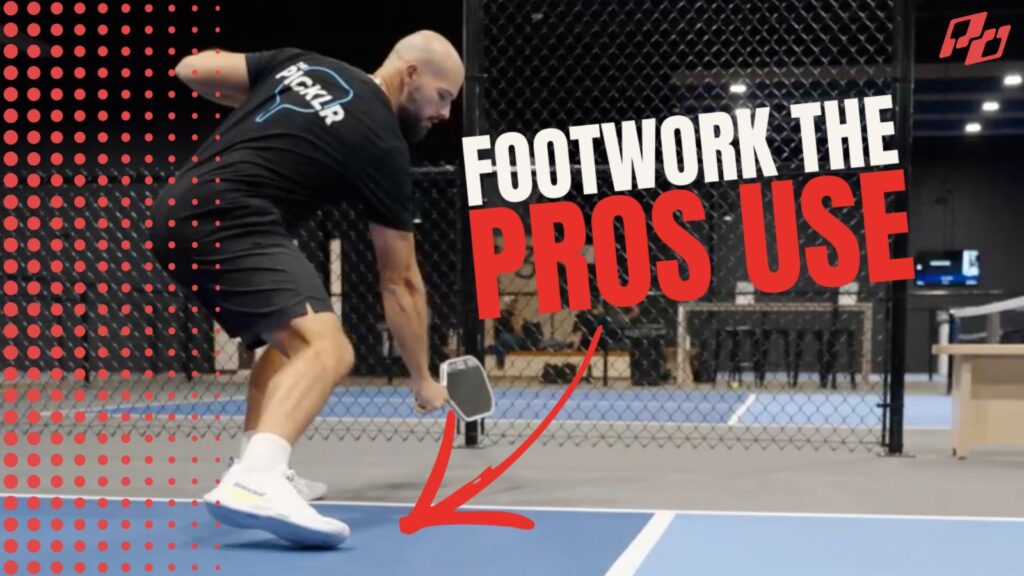
In the video above, Marko demonstrates how foot drags help you stay planted and balanced—even when the ball pulls you wide or forces you off the kitchen line. What he’s showing isn’t fancy movement. It’s efficient movement—and that distinction matters.
Now let’s break down what’s really happening, and how you can apply it to your own game.
What Is a Foot Drag (And What It’s Not)
A foot drag is a controlled movement where:
- One foot does the primary work (your planted or lead foot)
- The trailing foot stays lightly in contact with the court, dragging instead of lifting and replanting
A few important clarifications:
- This is not a tennis-style slide
- You’re not skidding or losing traction
- The dragging foot acts as a governor, controlling distance and timing
Think of foot drags as a way to manage reach, not rush toward the ball.
Why Foot Drags Matter More Than Most Players Realize
At the recreational level, most footwork breakdowns happen for the same reason: too many steps, taken too late.
When players get pulled wide, they often take several quick shuffle steps, overrun the ball, have to stop abruptly to hit, and end up swinging while upright or off-balance.
Foot drags solve this by letting you plant earlier, giving you control over how far you travel, and keeping your center of gravity stable and low.
That’s why Marko emphasizes being “planted” in the video. Balance—not speed—is the real goal.
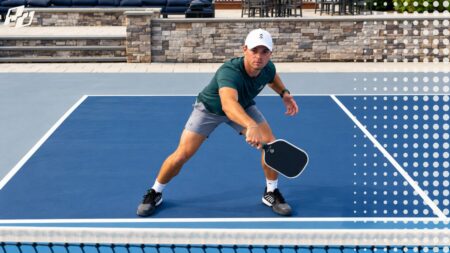
Scenario 1: Getting Pulled Wide on a Crosscourt Dink
This is the most common place foot drags show up. You’re on the left side, and your opponent pulls you wide with a crosscourt dink to your backhand.
The Common Mistake
Most rec players:
- Take multiple shuffle steps
- Arrive rushed
- Have to reset their feet before swinging
- End up poking or flicking the ball instead of controlling it
The Foot Drag Solution
Instead:
- Take one slightly larger reach step with your lead foot
- Let the back foot drag naturally behind you
- Stay planted as you extend and make contact
Key Takeaway: The foot drag lets you control when you stop so you can stay balanced and hit the ball under control, instead of scrambling to recover your feet.
Scenario 2: Getting Pushed Back on a Fourth Shot
The second key scenario Marko demonstrates is when:
- Your opponents hit a third-shot drop or reset
- You step up to volley
- The ball pushes you back off the kitchen line
What Usually Goes Wrong
Players often:
- Retreat with multiple quick steps
- Rise upright
- Lose paddle stability
- Float blocks or counters because they’re still moving
How the Foot Drag Helps
Here, the drag works slightly differently:
- You open your stance
- Pivot and slide the front foot
- Let the trailing foot drag as you move backward
Key Takeaway: The foot drag allows you to move back without losing balance, so you stay ready to block or counter instead of hitting while in motion.
The Real Purpose of Foot Drags (This Is Key)
Foot drags aren’t about being faster. They’re about creating margin. Specifically, they give you:
- Variability in where you stop
- Control over how far you travel
- Balance during wide or awkward reaches
From a biomechanics standpoint, foot drags help manage your center of mass, so you’re not constantly lifting, replanting, and reloading before every shot.
That’s why Marko recommends using them anytime you’re:
- Pulled wide
- Forced to reach
- Pushed off the line at the kitchen
Do’s and Don’ts of Foot Drags
✅ Do This
- Keep the drag light and natural
- Stay low through your hips and knees
- Let the drag regulate distance, not speed
- Use it when stretched—not on every step
❌ Avoid This
- Lifting the dragging foot completely
- Turning it into a full slide
- Standing upright as you reach
- Using foot drags instead of split steps
Foot drags support good footwork—they don’t replace it.
A Quick Note on Shoes (And Court Surfaces)
Marko jokes in the video about wearing holes in his shoes—and that’s not an exaggeration. Foot drags:
- Increase friction on the trailing foot
- Wear down the toe and inner edge faster
- Are more noticeable on rough outdoor courts
A few practical considerations:
- Durable toe guards and reinforced uppers help
- Outdoor courts will chew through shoes faster than indoor
- Excessively worn shoes can reduce traction and stability
Worn shoes aren’t a badge of honor—but better shoe wear is often a fair trade for better balance and control.
Injury Awareness: How to Use Foot Drags Safely
Foot drags are generally safe when they’re done smoothly and under control. Problems usually show up when players force the movement or use it while off-balance.
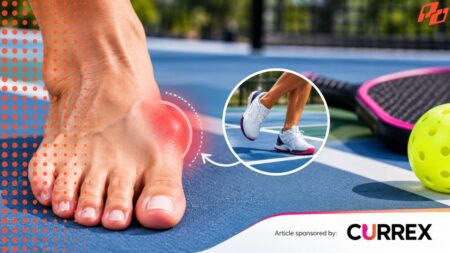
If traction slips, the ankles tend to take the stress. Reaching while standing tall can strain the knees. And dragging the foot too hard—especially when you’re tired—can bother the hips, lower back, or Achilles.
The fix is simple: stay low, stay relaxed, and keep the drag light. The trailing foot should glide along the court, not scrape or push. If you feel rushed or fatigued, it’s better to take smaller steps and reset your balance.
A good foot drag feels almost effortless. If something starts to feel uncomfortable, back off. The goal isn’t to stretch farther—it’s to stay stable and ready for the next shot.
When Beginner and Intermediate Players Should Start Using Foot Drags
You don’t need to be advanced to benefit from this.
If you’re:
- Missing dinks when stretched
- Feeling rushed on wide balls
- Losing balance at the kitchen
You’re ready. Start with:
- Wide dink situations
- Slower rallies
- Conscious, deliberate movement
As it becomes natural, you’ll notice fewer rushed swings—and more playable shots.
Why This One Adjustment Matters
Foot drags aren’t flashy—but they’re foundational. They won’t win points on their own, but they reduce rushed errors, improve balance under pressure, make difficult positions manageable.
If you’ve ever felt like the court is pulling you around faster than you can handle, this is one of the cleanest, safest upgrades you can make.
➡️ Stay planted.
➡️ Control your distance.
➡️ Let your feet work with your paddle—not against it.
That’s how better pickleball actually starts.