
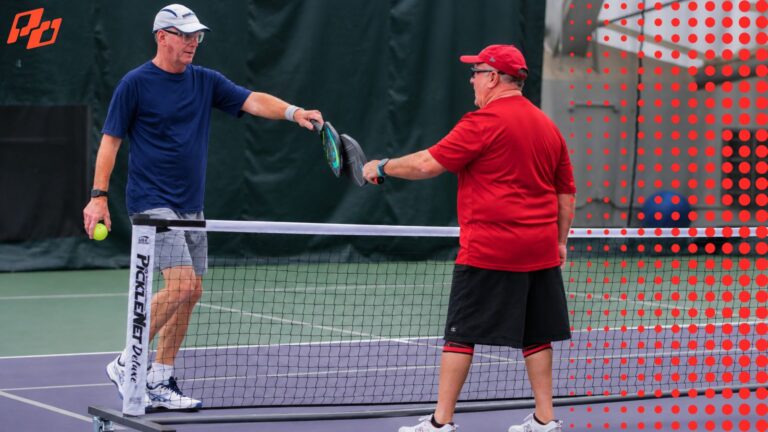
In pickleball, play the ball first and the opponent second. Let ball height, pace, depth, and your balance determine the…
Get the 5-minute newsletter over 40,000+ of your pickleball friends read every week.

"Y'all have one of the best newsletters in the game!"
- Jack Munro

"Y'all have one of the best newsletters in the game!" - Jack Munro
In pickleball, play the ball first and the opponent second. Let ball height, pace, depth, and your balance determine the…
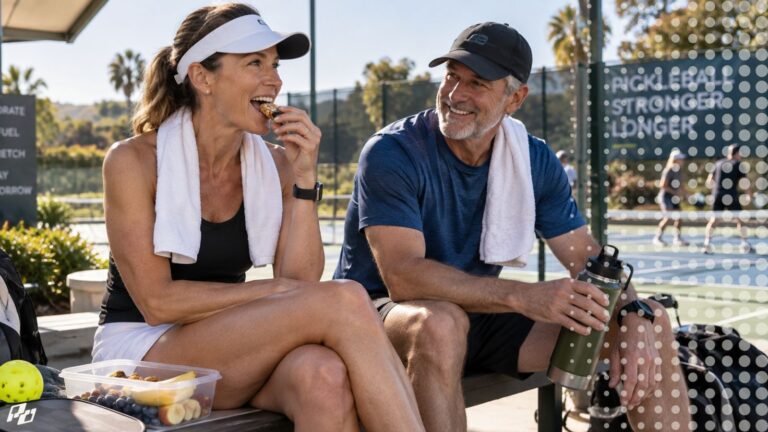
Between pickleball games, a quick reset should focus on cooling down, taking a few controlled drinks, adding quick carbs only…
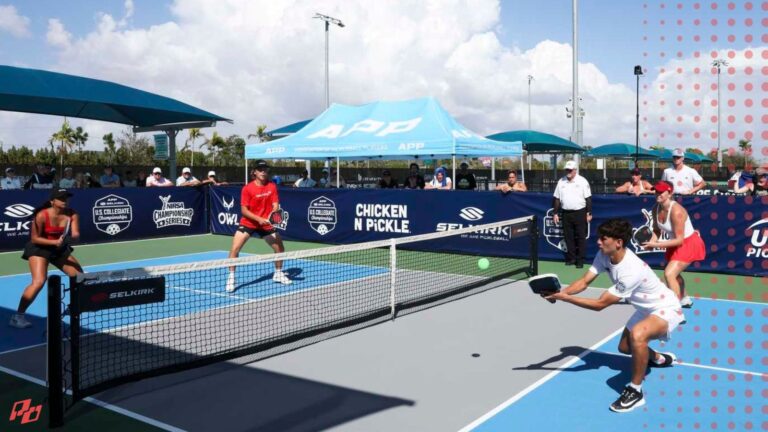
A smart pickleball speed-up often goes straight at the player in front of you, not into open court. Aim for…
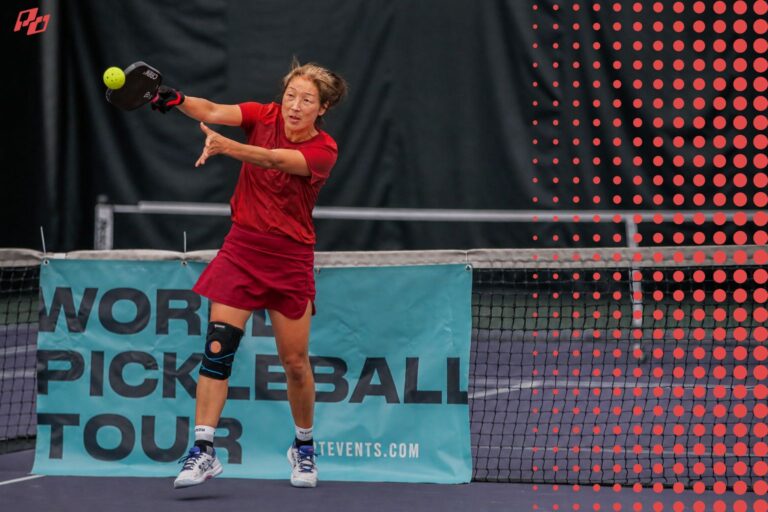
Rec players often miss an easy ball after a difficult shot because their balance, spacing, and timing haven’t fully recovered.…
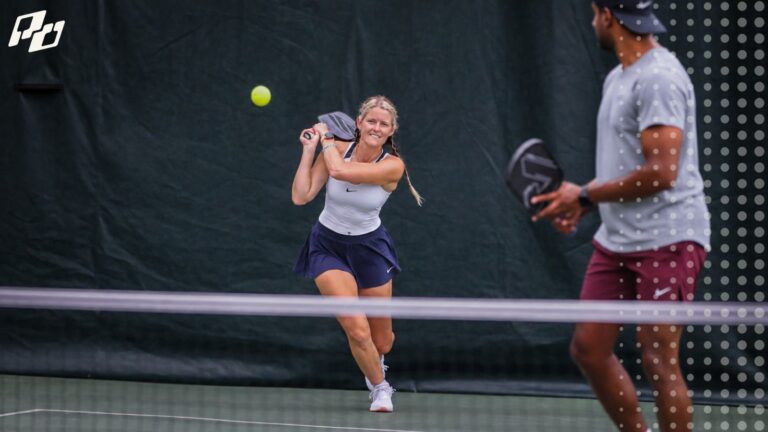
Players who sprint to the kitchen without split-stepping are often vulnerable side to side. Instead of always hitting at their…
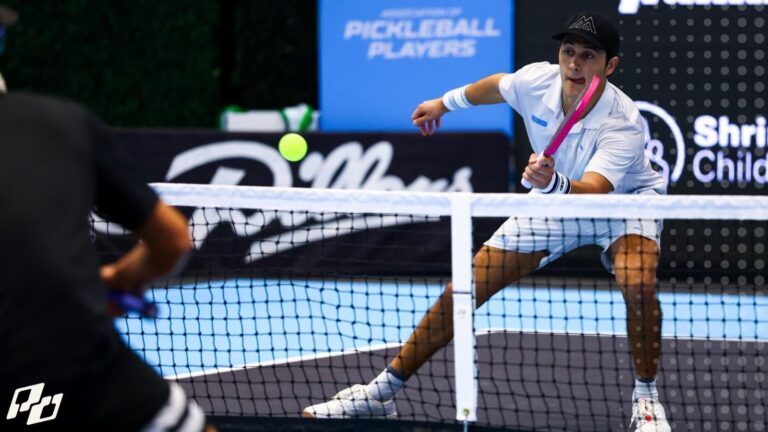
Body speed-ups are easier to defend when you read the attack early, create a little space, and meet the ball…
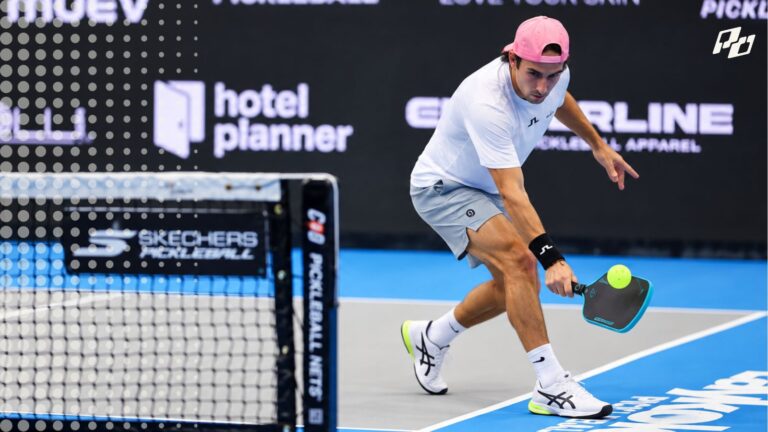
An ATP in pickleball works best when you move early, let the ball travel wide and low, then hit late…
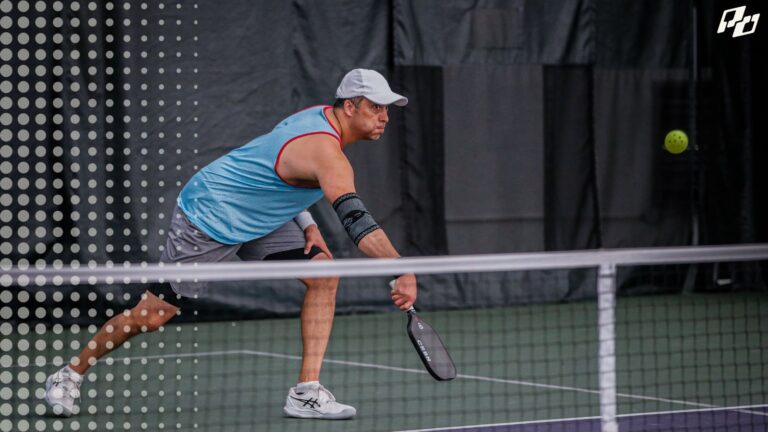
A pickleball half-volley is best handled by staying low, using a wide base, slightly opening the paddle face, and swinging…
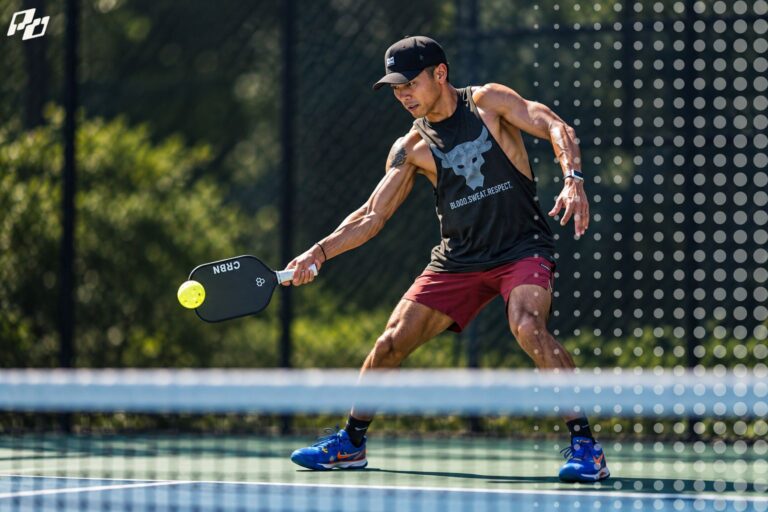
A good pickleball return doesn’t need to paint the baseline. Aim about 2–3 feet inside it—deep enough to keep the…
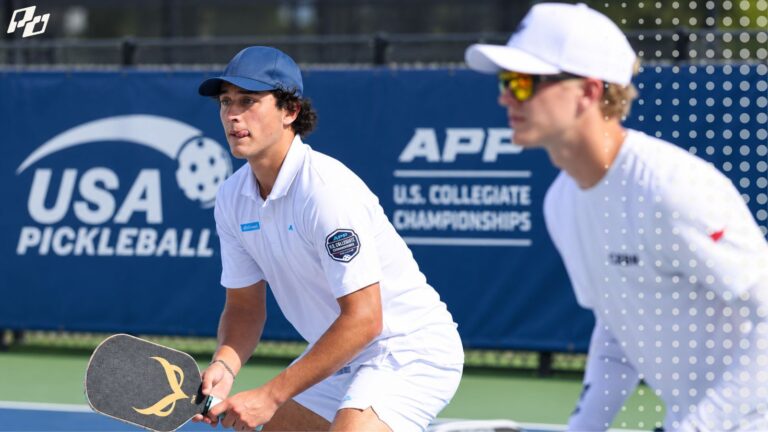
In pickleball doubles, you can pressure opponents without touching the ball. Smart middle shading, credible poach threats, and timely fakes…