
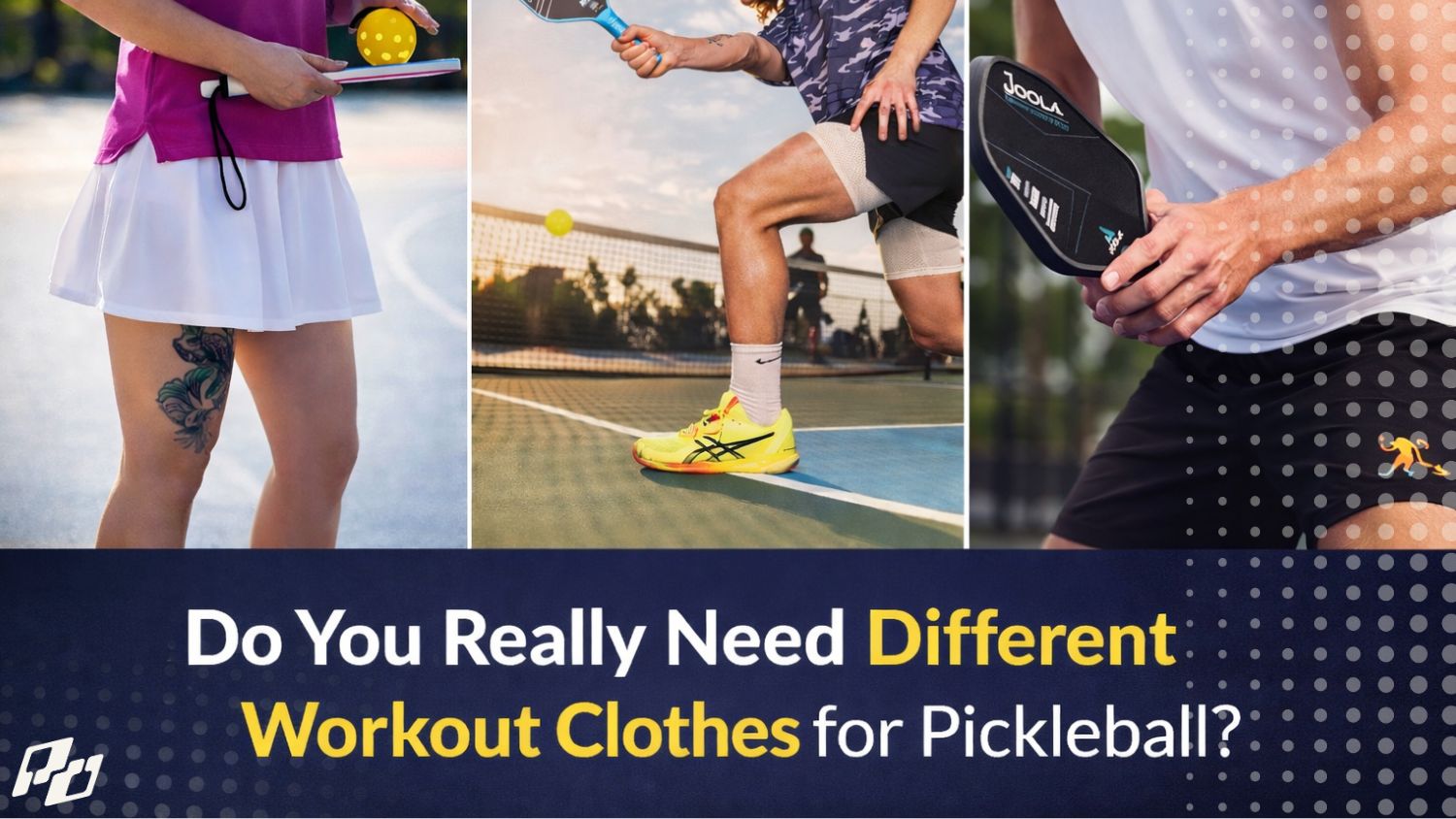
You do not need special pickleball clothes to play well, but the right athletic gear can make a big difference. For most rec players, breathable, moisture-wicking, stretchy clothes with good ball pockets matter more than pickleball branding, especially during long, hot, or outdoor sessions.
A lot of rec players quietly wonder this. You show up to open play and see everything from old gym tees and basketball shorts to full-on coordinated “pickleballcore” outfits that look ready for center court and brunch afterward. So naturally, the question pops up:
⮕ Do you actually need specific clothes for pickleball?
My answer is: not really—but kind of, in the ways that actually matter.
You do not need pickleball-branded clothes to play well. Most recreational players can play perfectly fine in regular athletic gear. But pickleball does reward a few clothing choices more than people expect, especially because the sport combines constant lateral movement, repeated squatting and lunging, outdoor heat, sweat, and the practical annoyance of carrying a ball.
That means the right outfit is less about looking like a pro and more about avoiding distraction, overheating, chafing, and awkward mid-rally adjustments.
The real answer: you do not need “pickleball clothes,” but you do need court-friendly clothes
You do not need a special category of clothing just because the sport is called pickleball. In fact, a lot of what works best for pickleball is really just good racquet-sport apparel or smart general training gear: breathable fabrics, stretch, freedom at the shoulders and hips, and bottoms that do not fight you every time you drop low or shuffle wide.
Nike’s pickleball clothing guidance emphasizes moisture-wicking fabric, stretch, and pockets, while Selkirk’s apparel advice highlights layering, ball-carrying pockets, and sun protection. Even USA Pickleball’s rulebook, while not prescribing specific rec attire, does note that players should avoid clothing that closely matches the ball color—showing that apparel matters more in play than many beginners assume.
So the smarter question is not: “Do I need pickleball-specific clothes?”
It is: “Does what I’m wearing help or hurt the way pickleball is actually played?”
That is where the conversation gets interesting.
Why pickleball clothing matters more than some rec players think
Pickleball is not a straight-ahead workout.
It is stop-start. It is side-to-side. It is bend, recover, shuffle, plant, reach, reset, sprint two steps, stop, then explode again. And for a lot of rec players, it happens outside in bright sun for longer than they planned. That combination makes clothing matter in a very practical way.
Sports-clothing research shows that garment design and fabric can affect comfort, thermal regulation, sweat handling, and perceived strain, especially in the heat, even if the performance gains are not always dramatic or universal. Reviews of the literature suggest sportswear can help with thermoregulation and comfort, but the biggest real-world win for most non-elite athletes is often feeling drier, less restricted, and less distracted—not magically playing 0.5 DUPR better because they bought a fancy shirt.
That is the key point for rec players:
⮕ Good pickleball clothing does not turn you into a better player. It removes little annoyances that make you play worse.
And honestly, that matters.
Because sometimes the issue is not your backhand. Sometimes it is that your shirt is soaked, your shorts are riding up, your spare ball keeps falling out, and your brain is spending energy being irritated.
What sport experts say: fabric matters, but not in a magical way
If you read the sports-science literature, the conclusion is pretty balanced.
Synthetic performance fabrics are often designed to keep athletes cooler, drier, and more comfortable than natural fibers like standard cotton, particularly during exercise in the heat.
Studies and reviews suggest moisture-handling and garment construction can influence thermal comfort and perceived exertion, though the effects vary depending on conditions, exercise type, and the exact garment. In other words: performance apparel is not fake, but it is also not a superpower.
That lines up nicely with common pickleball experience.
A sweaty cotton tee is fine for a short, mild session. But on a hot outdoor morning, cotton can get heavy, clingy, and gross. A quick-dry shirt usually feels better longer. The difference is not theoretical. It is the difference between feeling okay in game one and feeling like you are wearing a damp bath towel by game four.
CDC guidance for hot conditions also recommends lightweight, light-colored, loose-fitting clothing because it allows the skin to cool more efficiently.
So no, you do not need expensive specialty apparel. But yes, the right fabric and fit can absolutely make pickleball more comfortable.
What pickleball coaches and gear experts keep emphasizing
When pickleball coaches and racquet-sport gear guides talk about clothing, they keep returning to the same things:
⮕ movement, sweat, pockets, and sun.
That is not an accident.
Pickleball-specific and rec-focused clothing guides repeatedly emphasize:
- moisture-wicking fabric
- stretch for lunges and overheads
- shorts or skirts with functional ball pockets
- lightweight layering
- and sun protection for outdoor play
Notice what is not at the center of the discussion: brand logo, trendiness, or whether the item literally says “pickleball” on the tag.
That tells you something useful.
For most rec players, the best clothes for pickleball are not the most “pickleball” clothes. They are the clothes that quietly solve on-court problems.
What pros seem to care about—and what rec players should copy
Pro players obviously care about apparel, but not always for the reasons casual players think.
Yes, pros care about sponsorships, image, and on-camera presentation. Parris Todd, for example, has talked publicly about pro pickleball outfits and practical fashion tips, reflecting how style, confidence, and personal branding matter at that level. But even when pros look polished, the underlying apparel logic is still functional: light fabrics, unrestricted movement, clean fit, and gear that does not become distracting in a long day of play.
Rec players should copy the function, not the price tag.
You do not need to dress like a sponsored pro. But it is smart to borrow the reasons they avoid sloppy gear:
- they do not want fabric pulling at the shoulders on overheads
- they do not want extra weight from sweat
- they do not want to keep adjusting their outfit between points
- and they do not want a ball pocket that fails at the worst moment
That part is very relevant to rec play.
What rec players actually complain about
This is where the topic gets more fun, because rec-player complaints are incredibly predictable. They are usually not saying, “My shirt lacks elite thermophysiological vapor-transfer efficiency.”
They are saying:
- “This shirt gets gross after 20 minutes.”
- “These shorts don’t hold a ball.”
- “My leggings are too hot.”
- “This skirt rides up.”
- “My pocket turns the spare ball into a sweaty sponge.”
- “I keep adjusting my outfit instead of focusing.”
That is why this topic matters.
The best pickleball clothing is not clothing that makes you look serious. It is clothing that makes you forget about your clothing.
So what type of clothes are actually best for pickleball?
Here is my honest take:
The ideal pickleball top
For most rec players, the best top is a lightweight, moisture-wicking athletic shirt with enough shoulder freedom for overheads and speed-ups. That can be a technical tee, sleeveless top, polo, or quarter-zip depending on weather and preference.
The important part is that it does not trap sweat, stick to your torso, or pull when you reach. Nike and other court-wear guides specifically call out lightweight, perforated, or breathable materials plus stretch as useful for pickleball movement.
My opinion: A plain performance tee usually beats a heavy cotton shirt. Not because it is glamorous, but because it keeps feeling normal longer:
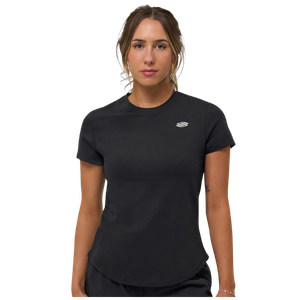
- Form-fitting design
- 4-way stretch fabric
- UV protection
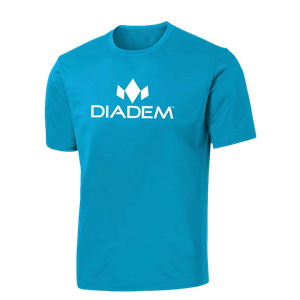
- Lightweight
- Sweat-absorbing
- Comfortable fit
The ideal bottoms
This is where things get more pickleball-specific.
The best bottoms for pickleball are usually shorts, skirts, or skorts with stretch and a secure way to carry a ball. That matters more in pickleball than in a lot of gym workouts.
Multiple pickleball apparel guides highlight deep or secure ball pockets as one of the most useful sport-specific features, and some even focus almost entirely on pocket design because bad pockets are such a common frustration.
My opinion: If your shorts cannot comfortably hold a pickleball, they may still be fine workout shorts, but they are not ideal pickleball shorts.
That does not mean everyone needs specialized bottoms. It does mean pickleball exposes bad pocket design fast.
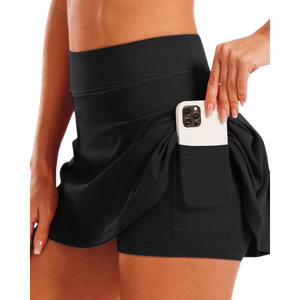
- Stretchy athletic skirt
- Built-in shorts
- Game-friendly pockets
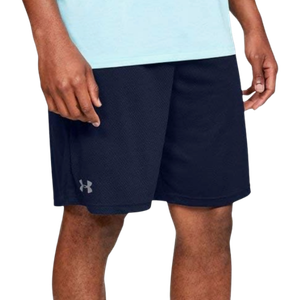
- Mesh fabric
- Wicking material
- Open-hand pockets
The ideal fabric
The sweet spot for most rec players is light, breathable, quick-drying synthetic or synthetic-blend performance fabric. Research and practical gear guidance consistently support quick-drying, moisture-managing materials over basic cotton in hot exercise conditions.
My opinion: This is the most overrated and underrated point at the same time.
Overrated because people act like the fabric itself is going to revolutionize their game.
Underrated because being less soggy and less annoyed for two hours is actually a pretty big deal.
The ideal fit
The best fit is close enough to stay put, loose enough to breathe, and stretchy enough to let you lunge without thinking about it. CDC guidance for heat favors looser, lighter clothing, while court-wear brands and racquet-sport apparel advice emphasize movement and reduced restriction.
My opinion: If you have to tug, pull, smooth, hike, or adjust it more than once every few games, it is probably not your best pickleball piece.
What matters most for rec players—and what matters less
Let’s separate the essentials from the nonsense.
What matters a lot
⮕ Comfort over time. Pickleball sessions often run longer than expected, especially at open play.
⮕ Breathability. Outdoor pickleball can turn into heat management fast.
⮕ Mobility. You need freedom at the shoulders, hips, and thighs.
⮕ Pocket function. More important in pickleball than in many workouts.
⮕ Sun protection. Especially if you play outdoors several times a week. Dermatologists recommend sun-protective clothing as part of outdoor UV protection, including hats, visors, and UPF gear for court time.
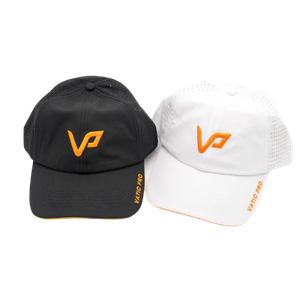
- Lightweight
- Breathable
- Quick-drying
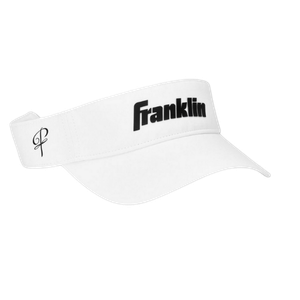
- Low profile
- Adjustable
- Quick-drying
What matters less than people think
⮕ Whether it is pickleball-branded. Not important.
⮕ Whether it looks “pro.” Mostly irrelevant for performance.
⮕ Compression everything. Compression garments can help some athletes with recovery or feel, but the evidence is mixed and highly individual. For rec pickleball, they are optional, not mandatory.
⮕ Matching outfits. Fun? Sure. Necessary? Not remotely.
When you really should care about your clothing
There are situations where this topic goes from “nice to think about” to “actually important.” You should care more about your pickleball clothing if:
- you play outdoors in heat or humidity
- you sweat a lot
- you play long sessions or multiple matches
- you get chafing
- you carry a spare ball regularly
- you burn easily
- you are older and heat affects you more
- or you notice your outfit becoming a recurring distraction
For these players, apparel is not cosmetic. It is part of managing energy, comfort, and focus.
When you really do not need to overthink it
This part matters too, because plenty of rec players get sold a problem they do not actually have. If you are playing:
- indoors
- for an hour
- in mild temperatures
- at a casual level
- and your current athletic clothes do not bother you
then no, you probably do not need a wardrobe overhaul.
A breathable workout shirt and comfortable athletic shorts may be completely fine.
This is especially true for beginners. Your early improvement will come from learning the game, not from discovering some magical “pickleball fabric ecosystem.”
So if your current gear works, do not let the internet convince you that your game is being held back by a lack of court-specific branding.
The biggest mistake: dressing for the gym instead of the court
This is the subtle trap.
A lot of gym clothes are designed for forward/backward movement, lifting, treadmill work, or general training. Pickleball asks more from side-to-side motion, quick stops, bends, and repeated pocket use. That is why an outfit can be a great workout outfit and still be annoying for pickleball.
Examples:
- Heavy cotton tee: fine for a short lift, annoying in long outdoor pickleball.
- Running shorts with shallow pockets: fine for a jog, terrible for carrying a ball.
- Thick leggings in summer: fine in the gym, rough in hot outdoor rec play.
- Loose casual shorts with no structure: comfortable until they twist or bunch during wide lunges.
My practical recommendation for most rec players
If you want the simplest honest answer, here it is:
Your “perfect enough” pickleball outfit
A lightweight moisture-wicking top, stretchy shorts/skort with a reliable ball pocket, athletic socks, court-appropriate shoes, and for outdoor play a hat/visor or UPF layer is the ideal baseline for most rec players.
That is the sweet spot. Not fancy. Not overbuilt. Just functional.