

Picture this: you’ve finished warmups at league night. The spin goes your way, you serve first, and the opening rallies feel sharp. But 20 minutes later your legs feel heavy, your brain lags, and you’re fighting to stay focused.
You hydrated—so why the dip?
Often, the issue isn’t what you ate. It’s when.
Why Timing Matters
Hydration keeps you upright, but fueling keeps you effective. Even small missteps in timing can create big problems: eating too close to match time diverts blood to digestion, eating too early leaves you under-fueled, and skipping recovery delays your bounce-back for the next session.
Pickleballers report it all the time: the fog in Game 3, calf cramps that sneak up mid-match, or the sluggishness that hits after warmups.
Sports nutrition research echoes those experiences—glycogen depletion, poor electrolyte balance, and missed recovery windows all cost performance.
Match-Day Fuel Timing Guide
Here’s the quick table, and below I’ll break each stage down in more detail:
| When | Goal | What to Eat/Drink | Key Notes |
|---|---|---|---|
| 1–2 hrs before | Top off energy without heaviness | Banana + yogurt, toast w/ honey, rice cakes + nut butter | Light carbs + moderate protein. Avoid heavy fats or high fiber. |
| 15–30 min before | Quick boost, sharpen focus | Half banana, handful of pretzels, energy chew + electrolyte sip | Keep it small, fast carbs. Moderate caffeine if desired. |
| Mid-match | Prevent dip, maintain endurance | Fruit strip, dried dates, small sip sports drink or electrolyte water | Refuel every 60–75 mins in long sessions. Prioritize electrolytes for cramps. |
| Within 30 min after | Jumpstart recovery | Chocolate milk, protein shake + banana, turkey sandwich | Carb + protein combo; muscles absorb glycogen fastest here. |
| 2 hrs after | Full recovery, prep for next day | Balanced meal: lean protein + rice/pasta + vegetables | Replace glycogen, repair muscles, rehydrate. |
1–2 Hours Before: Prime the Engine
This is your launch window. The goal is to fill the tank without weighing yourself down. A balanced snack 60–90 minutes before play gives your muscles what they need while leaving time for digestion.
- Carbs first: quick energy from oats, rice cakes, bananas, or toast with honey.
- A touch of protein: yogurt, a boiled egg, or nut butter for staying power.
- Keep it light: avoid heavy fats or high-fiber foods, which slow digestion and may cause stomach upset.
Think of this as topping up, not eating a full meal. You want to step onto the court fueled, not full.
15–30 Minutes Before: The Final Boost
Right before play, you’re not looking for a meal—you’re looking for a spark. A quick, easy-to-digest carb can sharpen focus and keep energy stable through the first game.
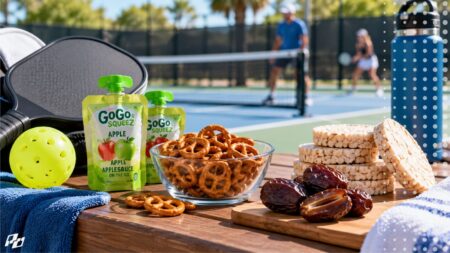
Something as simple as half a banana, a handful of pretzels, or an energy chew works well. Pair it with a few sips of an electrolyte drink for muscle function.
Keep caffeine moderate; too much this close to game time can backfire with jitters.
Mid-Match: Surviving the Dip
If you’re only out for an hour of rec play, you may not need mid-match fuel. But in tournaments, ladder leagues, or marathon rec nights, most players hit a dip around the 60–75 minute mark. That’s your cue to top up before fatigue snowballs.
Here, small is better. A fruit strip, a couple of dried dates, or a few sips of sports drink provides about 25–30 grams of carbs—just enough to restore energy without bogging you down.
Combine with water + electrolytes if you’re sweating heavily, since sodium and potassium loss is a major cramp trigger.
Post-Match: Recovery Timing Is Everything
That drained, rubber-leg feeling after two hours of play? It’s your glycogen tank hitting empty. The science is clear: your body replenishes fastest in the first 30 minutes after exercise. Miss that window, and recovery drags.
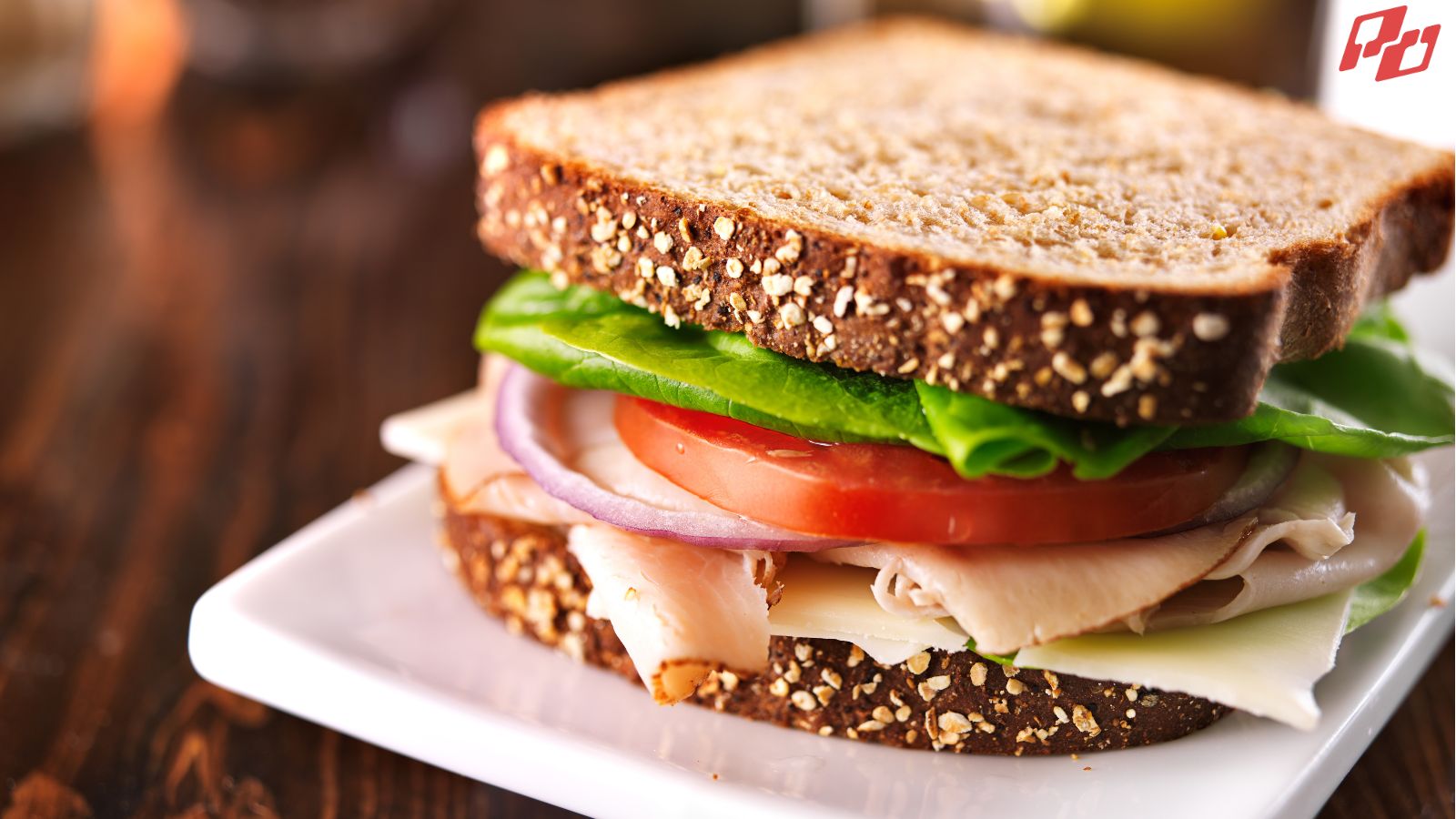
Aim for a carb + protein combo as soon as you can—chocolate milk, a protein shake with banana, or even a turkey sandwich. Then, within two hours, follow up with a balanced meal of lean protein, complex carbs, and healthy fats. Add electrolytes if you cramped or sweated heavily.
Players who consistently refuel quickly report fewer cramps, less soreness, and better performance the next day.
The Timing Playbook
To pull it all together:
- 1–2 hours before: light carb + protein snack, low fat, low fiber.
- 15–30 minutes before: small carb boost + electrolyte sip.
- During play (60–75 min in): quick carb top-up and water with electrolytes if needed.
- Within 30 minutes after: carb + protein snack or drink.
- Two hours later: balanced meal to lock in recovery.
Adapting Nutrition Timing by Age
Not every pickleballer needs the same fueling strategy. As we age, our bodies change how they store energy, repair muscle, and signal fatigue. Here’s how to adjust:
Under 40: Fast Responders
- Needs: Quick-access carbs and hydration. Younger athletes usually handle heavier pre-match meals better.
- Tip: Focus on topping up glycogen before play and snacking mid-match to keep reaction speed sharp.
40–60: Prevent the Dip
- Needs: More structured timing. Muscle glycogen replenishes slower, and recovery takes longer.
- Tip: Stick to the 1–2 hour fueling window before play and prioritize mid-match electrolytes to reduce calf/forearm cramps. Post-match carb + protein within 30 minutes is critical.
60+: Consistency Over Volume
- Needs: Frequent, smaller snacks and drinks. Thirst signals weaken, and digestion slows.
- Tip: Sip electrolytes steadily (even if you don’t feel thirsty) and eat light carbs more often. Choose lower-sugar hydration options to avoid spikes. Quick protein after play helps maintain muscle mass.
Bottom line: Younger players thrive on glycogen top-ups, midlifers need to time recovery more precisely, and older players benefit most from steady, smaller doses of fuel and fluids.
Timing Is a Skill
Just like drilling dinks or sharpening your footwork, nutrition timing is something you can practice and improve. Think of league nights and rec games as your lab—pay attention to when your energy dips, when cramps sneak in, and when you feel unstoppable. Those patterns tell you more than any nutrition label ever will.
When you dial it in, you’ll step on court with steady energy, outlast opponents in long rallies, and bounce back faster for the next session.
Bonus tips I’ve seen work wonders:
- Set reminders on match days so you don’t forget that pre-game snack window.
- Pack small, portable fuel (fruit strips, pretzels, electrolyte sticks) so you’re never caught empty-handed.
- Log what you eat and when for a week—you’ll quickly spot which timing works best for you.
Master timing, and you’ll discover energy is just another edge you can train.