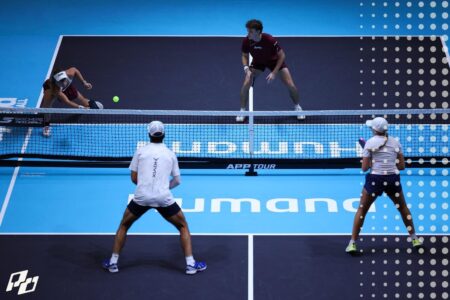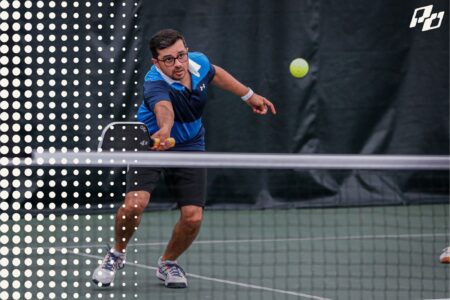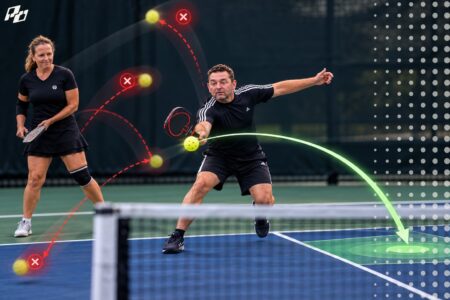

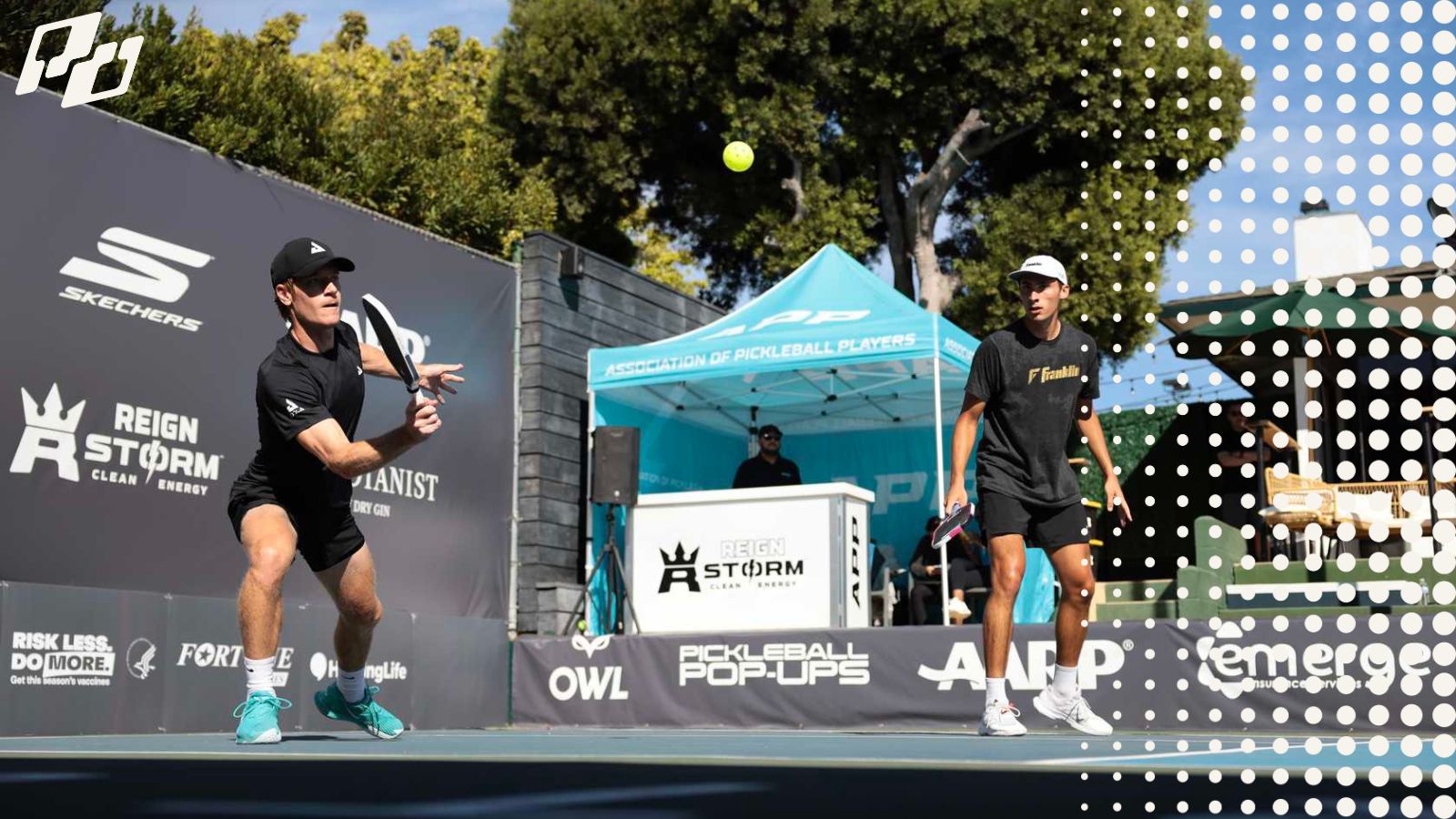
We’ve been talking a lot lately about aggressive volleys — counters, swing volleys, punch volleys — all the tools that help you win the kitchen line.
But here’s the truth: none of that matters if you don’t know when to attack.
Before every great counter or finishing volley comes a reset — that small, controlled moment where you find balance, read the next ball, and decide if you’re ready to pull the trigger.
As pro Callie Jo Smith recently said, “The game is moving towards a faster pace… please counter that ball.”
And she’s right — but what separates the pros from everyone else isn’t just that they counter more.
It’s that they reset better.
They create the calm before the chaos.
Let’s unpack how you can master that rhythm — and start winning more net exchanges not by hitting harder, but by timing your moments perfectly.
The New Rhythm of Modern Pickleball
In old-school pickleball, the soft game ruled. You’d dink patiently, wait for a pop-up, and then swing.
But today’s rallies move in rhythmic waves — slow, neutral, fast, reset, attack, repeat.
Top players don’t stay in one tempo. They flow between them.
And that’s the hidden skill most intermediate players are missing — tempo control.
You might be able to hit great volleys, but if you don’t reset your stance, paddle, and balance before the next exchange, you’ll always be a step late.
That’s why you see rec players getting overrun during fast hands battles — they block one, admire it, and boom — the next ball’s already at their chest.
Pro players? They block and reset in one motion — paddle up, knees bent, ready for whatever’s next.
That’s the rhythm we’re after.
The Reset Moment: Your Hidden Weapon
Think of a reset not as a “pause,” but as a system reboot — where your brain, feet, and paddle all come back into alignment.
Every rally gives you small windows to reset:
- When your opponent takes a big backswing
- When your own shot forces them back
- When a dink exchange slows down
- Or even right after you block a speed-up
Here’s what that moment should feel like:
- You’re balanced — both feet grounded, knees soft.
- Your paddle’s in front, chest height, slightly open.
- Your eyes are forward, scanning your opponent’s paddle and body.
That half-second of control is what lets you recognize the trigger — that split second when the next ball is high enough or slow enough to attack.
Without a reset, you’ll never see that moment coming.
Recognizing the Trigger
The best players don’t guess when to attack. They read it.
Here’s what to look for:
| Situation | What It Means | What To Do |
|---|---|---|
| Opponent’s paddle drops below the ball | They’re lifting — expect a slower, higher return | Step forward and prepare to counter |
| You hit a deep, low shot | You’ve created pressure | Get ready for a short pop-up or high dink |
| Ball floats above net height | Opportunity moment | Transition from reset posture into attack |
| You’re off-balance or stretched wide | No trigger yet | Re-center and reset — don’t rush the swing |
The trigger moment isn’t about guessing when to go for it. It’s about being in position to notice it.
The Technical Reset: What Pros Do Differently
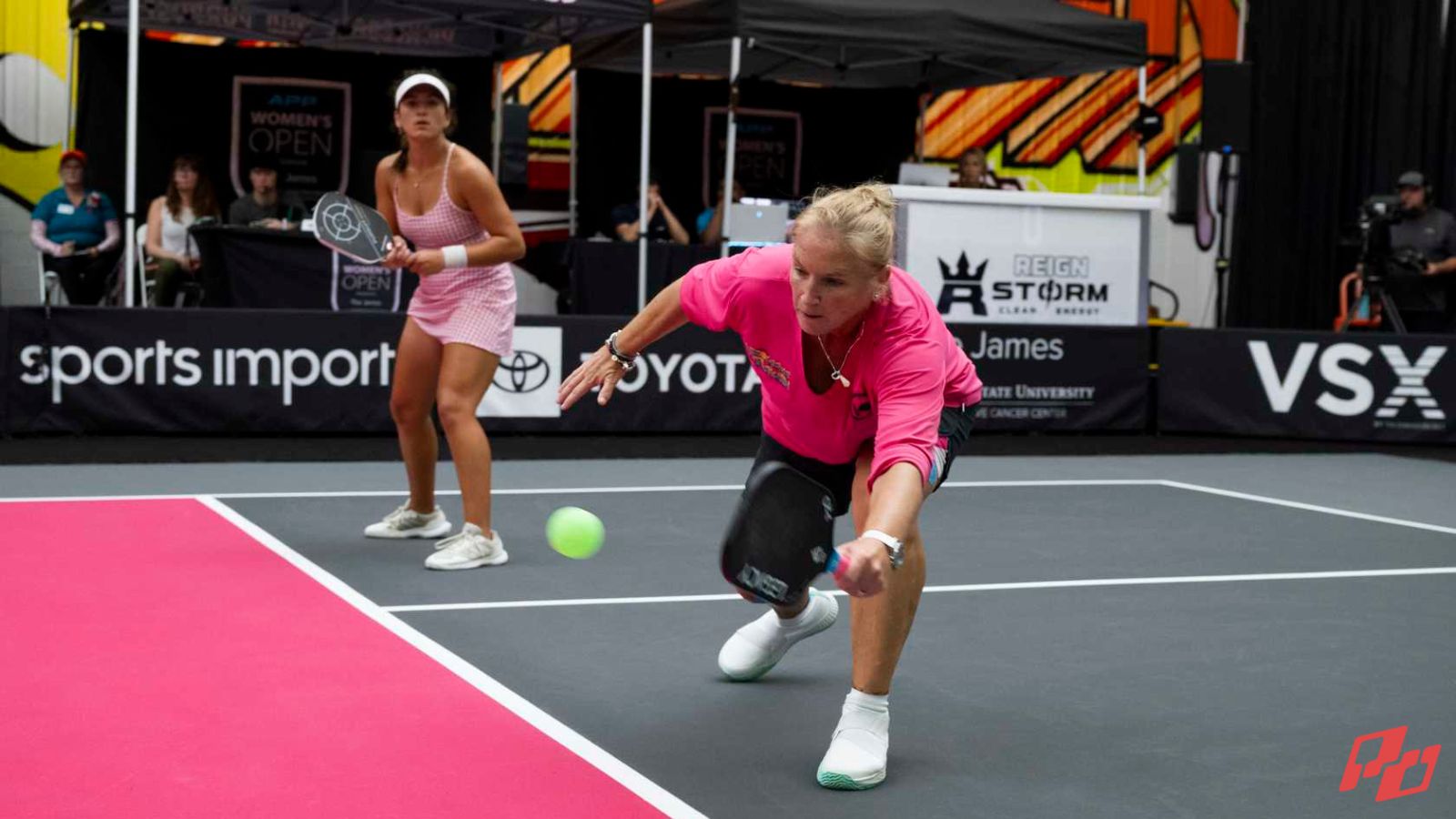
Let’s get specific. Here’s what elite resets look like (and how you can train them):
1. Footwork Reset
- After every volley or dink, take a micro split-step — just a tiny hop that brings your weight even again.
- Shuffle, don’t reach. Small steps keep your base stable.
2. Paddle Reset
- Bring your paddle back up to chest height between every shot.
- Face it slightly open toward your opponent. Think “ready to catch energy,” not “ready to hit.”
3. Core Reset
- Stay low and forward.
- Chest over knees, paddle out front. This keeps your reaction window open.
4. Mental Reset
- Treat every point like a rhythm loop: slow → ready → fast → reset.
- Don’t stay in fast gear forever. You’ll make errors by outrunning your balance.
The Transition: From Reset to Attack
Once you’re in rhythm, here’s how to shift gears smoothly:
- Spot the trigger (ball sits up, opponent’s paddle drops, or you see them off balance).
- Lean forward slightly — weight over toes, paddle tip forward.
- Punch, swing, or roll depending on the ball height.
- Recover instantly — paddle back up, knees bent.
The faster the pace gets, the more these micro-resets matter. You can’t attack every ball — but you can always be ready for the one that counts.
Drills to Build the Rhythm
Drill 1: Reset–Counter Flow
Have a partner drive balls from midcourt. Your goal: block the first one softly, reset posture immediately, and counter the second if it’s high enough.
Focus on the timing — not the power.
Drill 2: Soft Reset Rally
Play dinks at half-speed and call “reset” out loud every time you re-center and lift your paddle.
It trains conscious rhythm and discipline.
Drill 3: Trigger Game
Play mini-points at the kitchen. You can only attack after a clean reset (one controlled shot). Forces you to blend patience with awareness.
Common Mistakes (and Fixes)
❌ Standing tall after a reset.
→ Fix: Stay compressed through the knees until the next ball comes.
❌ Holding the paddle too low.
→ Fix: Keep it at chest level — you can always drop it down, but you can’t lift it fast enough if it’s already low.
❌ Attacking before you’re balanced.
→ Fix: Make sure your split-step happens before the opponent’s contact, not after.
❌ Treating every rally as a speed battle.
→ Fix: Play with tempo. Sometimes slowing down is the winning move.
The Mindset: Calm in the Chaos
When pros say the game is “getting faster,” they don’t mean they’re swinging harder — they mean the rhythm windows are shrinking.
To compete, you don’t need faster hands. You need faster resets.
It’s composure under pressure — that half-second of discipline that lets you recognize the trigger before anyone else does.
Callie Jo Smith said it perfectly: “Please counter that ball… anywhere possible.”
But remember — you can’t counter if you never reset.
Fast Hands Fade. Smart Resets Win.
The next time you’re in a kitchen battle and feel the pace ramp up, don’t just react faster. Reset cleaner.
Find your balance, paddle up, and wait for the moment when the ball floats just high enough for you to strike with confidence.
That’s how intermediate players evolve — not by adding chaos, but by mastering control between the chaos.
Because great hands don’t just move fast. They reset faster.