This is one of those pickleball phrases that gets repeated all the time and explained poorly.
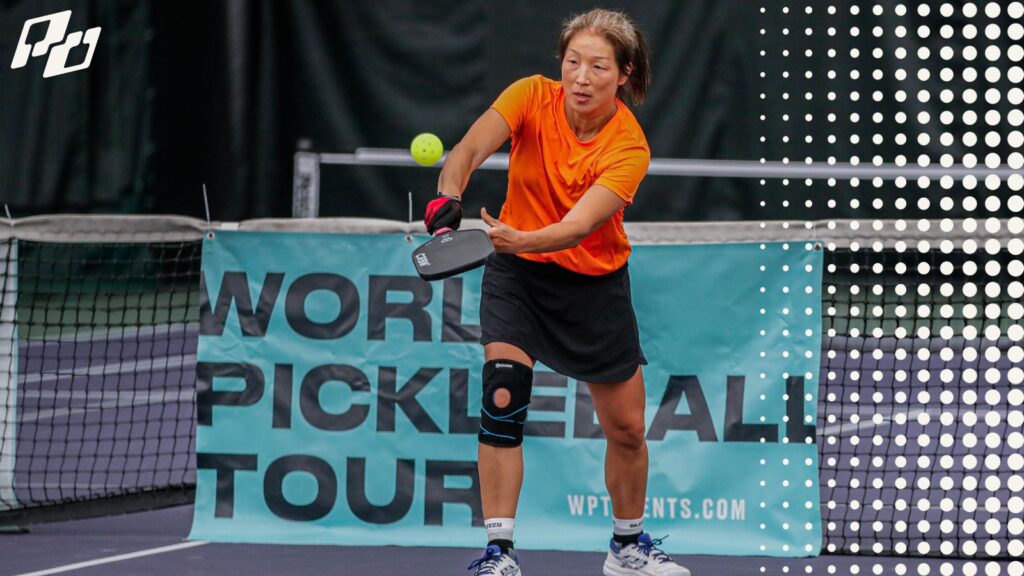
A beginner hits a decent shot, pauses for half a second to see if it lands in, and someone says, “Don’t watch your shot.”
That advice sounds wrong at first. Of course you need to see the ball. Of course you need to know where your shot went.
So what are people actually trying to say?
They usually mean this: don’t hit your shot and then mentally stop playing.
That’s the real problem.
A lot of beginner rec players hit the ball and then do one of two things. They either admire the shot because it felt good, or they panic because it felt bad. In both cases, they freeze. And in pickleball, freezing for even a moment is enough to lose the point.
The better way to think about it is: track the ball, but recover immediately. Watch the play develop, not your own artwork.
The advice is really about recovery
When coaches talk about not watching your shot, they’re usually talking about recovery mechanics.
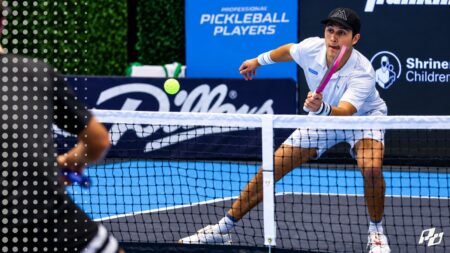
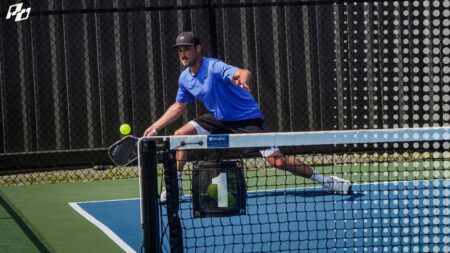
After every shot, strong players automatically return to a neutral ready position. The paddle comes back to the center of the body, the feet rebalance, and the player prepares for the next contact.

You can even train this habit in simple drills. For example, during dink rallies, focus on resetting your paddle to the ready position immediately after each touch. This builds the reflex of recovering between shots rather than staying mentally attached to the one you just hit.
One of the biggest differences between stronger and weaker players is what happens after contact. Better players reset quickly and stay prepared. Weaker players often let the paddle drop or remain frozen watching their shot, which makes them late reacting to the next ball.
That’s the heart of the concept.
You are allowed to see where your ball goes. You are not allowed to stay in the emotional moment of the shot so long that you forget to prepare for the next one.
What beginners usually do wrong
Here’s what this looks like in real games.
You hit a nice third-shot drop and stand there hoping it stays low. Meanwhile, your opponent has already moved forward and is about to volley. Or you hit a speed-up that feels like a winner, then relax for a second, only to discover your opponent blocked it back at your feet.
This happens because beginners often think of pickleball as a sequence of isolated shots:
I hit.
Then they hit.
Then I hit again.
Better players experience it differently. They think in continuous flow:
I hit.
I recover.
I read.
I prepare.
Then I hit again.
That difference is huge.
A half-second of admiring or worrying about your shot turns into late feet, a dropped paddle, and a weaker reply.
You still need to “watch” — but watch the right thing
This is where the phrase causes confusion. No, you should not literally look away from the ball. What you want to avoid is passive watching.
After you hit, your visual attention should shift from “Did my shot work?” to “What is my opponent about to do with it?”
That’s exactly how advanced anticipation works in pickleball. Higher-level players don’t simply react to the ball after it’s hit. Instead, they read cues from their opponent before contact—things like paddle face angle, contact point, body position, and balance—to predict what shot is coming next.
For example, a high contact point often signals an attacking ball, while a low contact point usually means the opponent will have to lift or defend the shot.
So the progression is:
You hit the ball.
You recover your body.
You pick up opponent cues.
Then you respond.
That’s very different from staring at your shot like you’re waiting for a movie ending.
Why this matters more in pickleball than beginners realize
Pickleball punishes hesitation because the court is small and the ball comes back quickly.
At the kitchen, especially, you often do not have time to admire anything. If your paddle drops after a dink or counter, the next ball can already be speeding toward your chest or your right hip.
Players who let the paddle drop after contact are much slower to respond to counters, while players who bring the paddle back to the center are ready for fast exchanges.
That’s why “don’t watch your shot” becomes so important at beginner and lower-intermediate levels. Newer players are often late not because they lack talent, but because they stay mentally attached to the shot they just hit.
The recovery sequence beginners should learn
A cleaner way to teach this concept is:
Hit → reset → read → react.
That sequence is much more useful than “don’t watch your shot.” Here’s what it means in practice.
After contact, your paddle should return toward the center of your body and your feet should rebalance underneath you. If you’re moving forward through the transition zone, you also need to control your movement before the next shot.
Ideally, you stop your feet just before your opponent makes contact with the ball, often with a small split step. This momentary pause keeps your weight balanced and allows you to react quickly in any direction when the ball comes back.
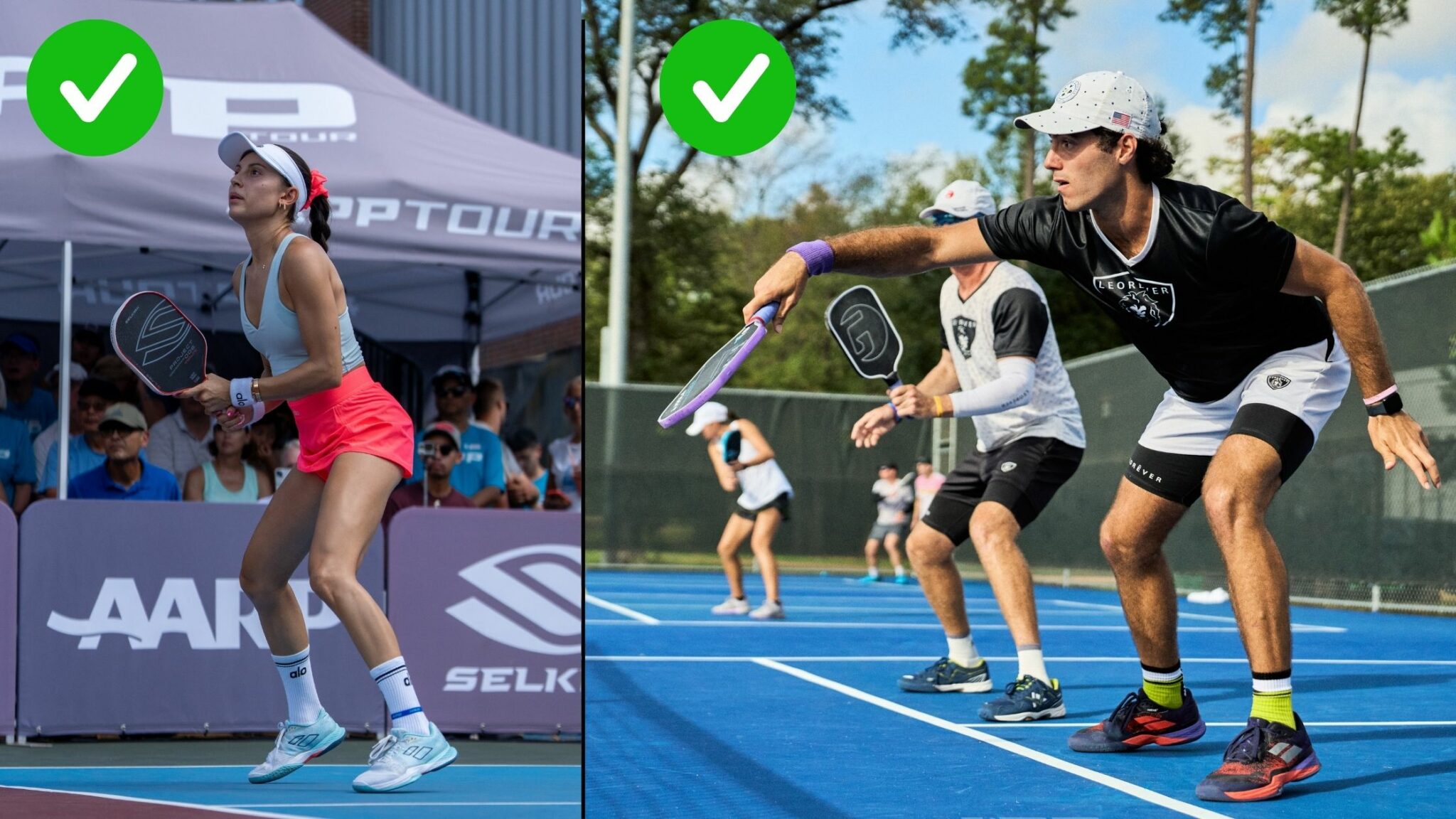
That’s the technical layer most rec players miss. The problem is not your eyes. It’s your lack of reset after contact.
What to do instead of admiring the shot
Let’s make it practical.
If you hit a good drop from the baseline, don’t stand there watching it float. Move in, then split step before your opponent hits.
If you hit a crosscourt dink, don’t admire the angle. Expect the most likely reply and bring your paddle back to center.
If you speed up a ball, don’t assume it’s over. Expect a block, counter, or reset.
That last one is especially important. A lot of players lose the next ball because they emotionally label their own shot too early. “That was great” or “that was terrible.” Both labels distract you from what matters next.
A better internal script is: “Ball’s live. Reset.”
A useful beginner cue: “The ball always comes back”
That phrase is not literally true, of course. Sometimes your shot is a winner. But for a beginner, it is a very useful training rule.
If you assume the ball is coming back, you naturally recover faster, reset your paddle sooner, and stay mentally engaged.
If it doesn’t come back, great. You won the point.
But if it does come back, you won’t be standing there flat-footed with your paddle by your thigh.
Where players most often “watch their shot”
This habit shows up most in three places.
The first is after a good drive or speed-up. Players think they’ve won the rally and relax.
The second is after a bad shot. Players stare at the ball hoping it lands in instead of preparing for the next contact.
The third is in transition. Players hit a third-shot drop and then either rush blindly or stay stuck because they’re evaluating the drop too slowly.
That last one is a big one. After a third shot, players should move forward to gain ground—but they also need to control their momentum. The key is to stop the feet just before the opponent makes contact with the ball instead of overrunning the play. This small pause keeps you balanced and ready to react to the next shot.
So if someone told you “don’t watch your shot,” there’s a good chance they really meant: don’t get stuck in the result of the shot. Recover into the next phase.
What good players actually do
Good players are not ignoring the ball. They’re just processing it faster.
They know roughly whether they hit a good drop or a pop-up almost immediately. Then their attention shifts to the opponent’s likely options.
They recover to a balanced ready position. They bring the paddle back to center. They read the paddle face and body language. And because they do that sooner, the game looks slower to them.
That’s one reason advanced players seem like they “always know” where the next ball is going. They are not psychic. They are simply recovering earlier and reading better cues.
The phrase beginners should use instead
Honestly, I think “don’t watch your shot” is clumsy advice.
A better version would be: “Don’t just watch your shot — recover after it.”
That keeps the concept accurate.
Because yes, you should keep tracking the ball. But your body and mind should already be moving into the next job: ready position, opponent read, and likely reply.
That’s the difference between reacting late and feeling in control.