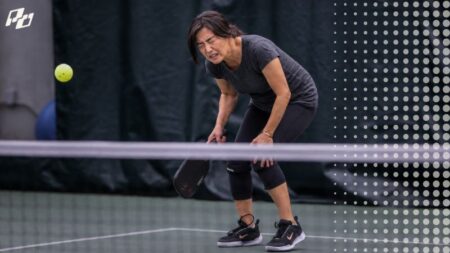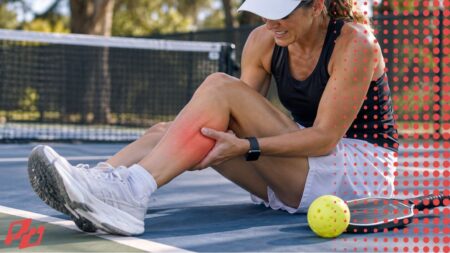

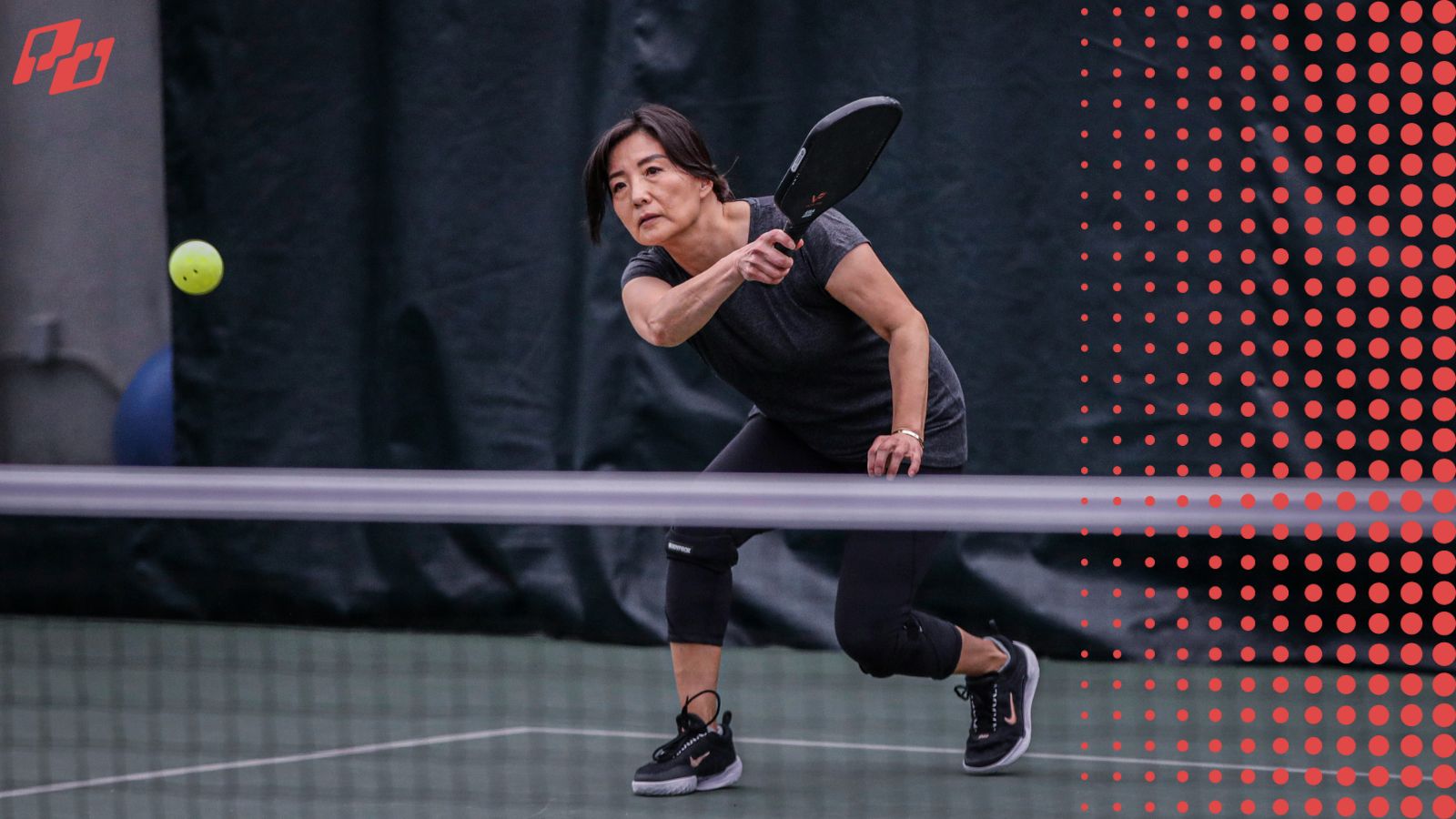
Coming back to pickleball after a holiday break is weird. Not dramatic-injury weird. Not “I forgot how to play” weird. More like… everything feels half a beat off weird.
Your legs feel heavy even though you’re not out of shape.
Your hands feel late even though your reflexes are fine.
Your confidence feels shaky even though you know you can play.
The mistake most rec players make at this point isn’t physical. It’s trying to play their way back instead of easing their way back.
Sports science, motor-learning research, and good coaching all point to the same thing: the fastest way back to peak form isn’t pushing harder — it’s sequencing the return correctly.
What Sports Science Says Actually Happens During a Short Pickleball Break
Here’s the reassuring truth: your pickleball game doesn’t disappear just because you took a short break.
Sports science shows that different parts of performance fade at different speeds — and pickleball relies heavily on timing and sharpness, which feel fragile even when they aren’t truly gone.
First, skills stick around longer than timing does. Research on motor learning shows that movement patterns are retained for weeks. What fades faster is the fine coordination between eyes, feet, and paddle. That’s why you still know what to do — but feel half a beat late.
Second, reaction and “pop” fade before strength. Quick hands and first-step reactions rely on the nervous system, which is very task-specific. When you stop doing lateral, reactive movements, that sharpness dulls slightly — even if your muscles are still there.
Third, stamina drops later than most people expect. Measurable aerobic decline usually shows up after a couple of weeks, not a few days. Short holiday breaks don’t kill your engine — they just make it feel less efficient at first.
And finally, confidence lags behind readiness. Sports psychology consistently finds that athletes feel rusty longer than they actually are. Your body is usually ready before your brain believes it.
Bottom line: the rust is mostly timing and perception — not lost ability. And that’s good news, because timing comes back fast.
Here’s the most effective way to regain your pickleball mojo:
Step 1: Treat Your First Session as a Re-Sync, Not a Test
After a break, many players subconsciously treat the first session back as a verdict:
“Am I still good?”
“Did I lose something?”
That mindset creates tension immediately.
From a motor-learning standpoint, your timing and perception-action coupling (how your eyes, feet, and hands sync under speed) needs reps before it stabilizes again. Early errors aren’t decline — they’re recalibration.
So your first session has one job: Re-sync timing and comfort.
That means:
- prioritizing balance and split-step timing
- choosing safer targets early
- letting rallies develop before speeding things up
Coaches often say, “Don’t win your way back — feel your way back.” That advice exists for a reason.
Step 2: Start With Shots That Restore Rhythm (Not Confidence)
Confidence comes later. Rhythm comes first.
Research on skill reacquisition consistently shows that high-success, repeatable actions restore coordination faster than risky, low-margin attempts.
Early-session priorities should be:
- deep returns
- controlled third-shot drops
- resets instead of counters
- absorbing pace instead of matching it
Notice what’s missing: highlight shots.
When rhythm returns, confidence follows naturally. When confidence shots come too early, timing often gets worse.
Step 3: Use Constraints to Get Sharp Faster
One of the smartest ways coaches accelerate return-to-play is through constraint-based play — artificial limits that force better decisions without overload.
For your first 1–3 sessions back, try one:
- no speed-ups for the first game
- drops only on thirds
- cross-court dinks only
- start half a step deeper at the kitchen
Constraints reduce decision fatigue and allow your nervous system to re-sync faster. Many rec players are surprised that they feel sharper sooner when they temporarily limit themselves.
Step 4: Expect “Heavy Legs” — and Don’t Fight Them

After short breaks, perceived heaviness often shows up before real fitness loss.
Neuromuscular efficiency — how smoothly your nervous system fires muscles — takes a few sessions to normalize. That’s why your legs can feel sluggish even if your cardio hasn’t dropped much.
Trying to “push through” this often backfires.
Instead:
- shorten points intentionally
- reset rallies sooner
- avoid repeated dead-stop sprints early
Most players report legs feeling normal again within 2–4 sessions, not because they trained harder — but because coordination caught up.
Step 5: Rebuild Confidence Through Familiar Patterns
Confidence doesn’t come from experimenting after a break. It comes from recognition.
Sports psychologists often recommend returning athletes lean into default patterns — actions you’ve executed hundreds of times.
For pickleball, that might be:
- your go-to return target
- your most reliable drop
- your safest dink pattern
- your best reset direction
Once those feel automatic again, your brain relaxes. And when the brain relaxes, everything speeds up — without forcing it.
Step 6: Don’t Let Session #1 Poison Session #2
This is where many comebacks quietly fail. One rough session leads to:
- tight second session
- overthinking mechanics
- chasing form instead of letting it return
Sports psych research on return-to-play shows that how you interpret early performance strongly affects how fast confidence returns.
So set this rule: Session one gives information, not conclusions.
Ask:
- What felt late?
- What felt fine?
- What improved by the end?
That’s it. No verdicts.
A Simple 7-Day “Fast Return” Blueprint
If you want to feel like yourself again quickly:
- Day 1: Short, controlled session focused on rhythm
- Day 2–3: Rest or light movement (walk, wall work, mobility)
- Day 4: Normal session, reduced risk early
- Day 6–7: Competitive play feels natural again
Most rec players feel surprisingly normal by the third or fourth session, not because fitness magically returned — but because timing did.
How Long Does It Actually Take to Get Your Form Back?
This is the question everyone wants answered. A practical rule that matches both research and real-world experience:
It usually takes about half the time you were off to feel fully normal again — sometimes faster for skill, slower for stamina.
Here’s how that tends to look for rec pickleball players:
- 3–7 days off: Timing feels off, hands feel late.
→ Usually normal again after 1–2 sessions. - 8–14 days off: Heavier legs, slight confidence dip, slower reactions.
→ 2–4 sessions to feel sharp. - 2–4 weeks off: Stamina drop becomes noticeable late in sessions.
→ 1–3 weeks to feel fully back, depending on frequency. - 4–8+ weeks off: Game feels foreign, endurance and consistency dip.
→ Requires structured return and patience (several weeks).
The key takeaway: most holiday breaks don’t hurt your game — they just delay synchronization.
Rust feels dramatic. It usually isn’t.
The Real Secret to Getting Your Mojo Back
Your mojo isn’t gone. It’s just dormant. The fastest way to wake it up isn’t intensity — it’s patience with purpose.
When you:
- respect the timing reset
- sequence your return
- stop judging yourself too early
your game comes back quietly… then all at once.
And the irony?
Many players come back better after a short break — calmer, more intentional, and mentally fresher.
So don’t fear the rust. Just don’t fight it either.