Bottom line upfront: The wrong pickleball shoes are setting you up for injury on the court.
A 2025 national study revealed an 88% increase in pickleball-related injuries since 2020. The study emphasizes that targeted injury prevention strategies, including wearing proper footwear, can lower risks and keep players active and healthy.
While there are many injury prevention strategies, from proper warm-ups to understanding common injuries, the best pickleball shoes provide support, boost your confidence, and create a safer playing experience that keeps you on the court longer.
Signs You’re Wearing the Wrong Pickleball Shoes
Your body is very good at telling you when something’s not right. Here are the telltale signs that your pickleball shoes are failing you:
Physical Warning Signs
Blisters and hot spots on your toes, heels, or the balls of your feet are signs of excessive friction or poor shoe fit. Even the top-of-the-line, best pickleball shoes have to fit your feet properly.
Ankle instability and rolling during side-to-side movements is a sign of inadequate support. Unlike running, pickleball requires constant movement in all directions, like quick steps left and right to reach shots, sudden stops, and rapid direction changes.
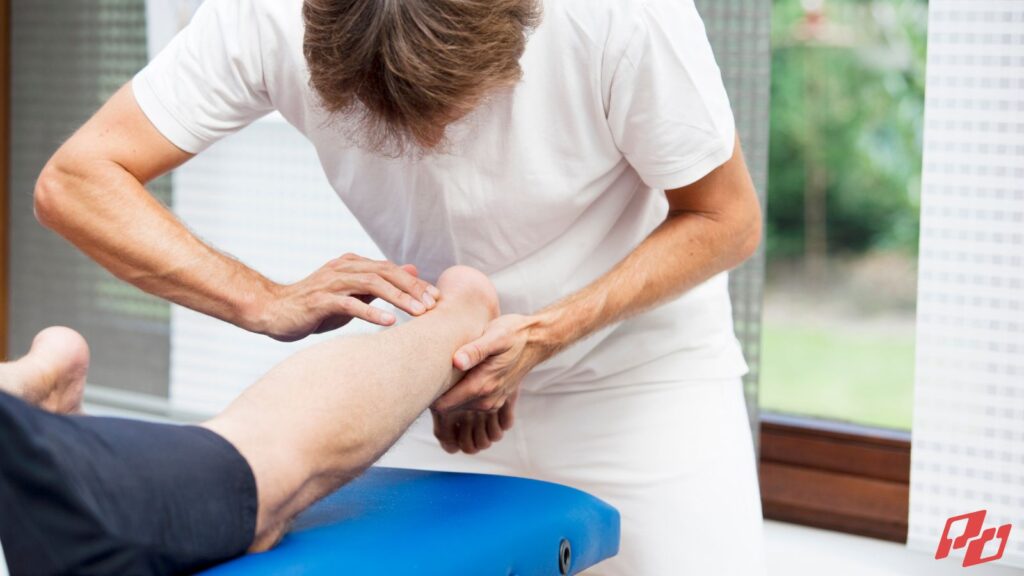
Heel pain or arch discomfort that develops during or after play is another sign of inadequate support or not enough cushioning. This can be an early warning sign of developing plantar fasciitis or Achilles tendinitis, some of the most common pickleball injuries affecting the foot.
Persistent soreness in your calves, ankles, or the balls of your feet after playing suggests your shoes aren’t absorbing impact properly or providing enough stability.
Performance Red Flags
Slipping and sliding on the court surface is a sign your shoes don’t have good traction (or that the tread is worn out, and it’s time to replace your shoes). Slipping significantly increases your risk of falls and acute injuries.
Feeling “off-balance” during quick direction changes indicates your shoes lack the side-to-side stability features essential for pickleball’s stop-and-go nature.
Faster fatigue in your feet and lower legs can result from shoes that force your muscles to work overtime to compensate for lack of proper support.
The Science Behind Proper Pickleball Footwear
To understand why the right footwear matters, it’s important to understand what pickleball demands of your feet and ankles.
Research shows that proper footwear can help prevent both acute and chronic injuries by providing side-to-side stability and limiting sliding of the foot.
Why Running Shoes Fail on the Pickleball Court
Running shoes are designed for forward motion, not the multi-directional movements that define pickleball.
A sports medicine physician at Atlantic Health System explains how the right pickleball shoes help to “Reduce the risk of potentially rolling your ankle whereas a running shoe likely will have more cushioning, but not as much support, especially when you’re making lateral movements.”
The fundamental design difference creates several problems:
- Not enough side-to-side support increases ankle roll and sprain risk
- Softer soles provide poor grip for quick stops and direction changes
- Higher heels can make players less stable during rapid movements
- Narrow design doesn’t provide the wider base needed for court sports
What Makes Pickleball Shoes Different
Court-specific shoes are built for the unique demands of pickleball, incorporating several features that running shoes lack, such as:
- Side-to-side stability systems like reinforced sidewalls and wider bases that provide support during quick lateral movements.
- Specialized soles feature rubber compounds and tread designs made specifically for court surfaces and to provide the grip needed for pickleball’s quick movements and direction changes.
- Lower heels and wider toe areas create a more stable base for the quick, reactive movements in pickleball.
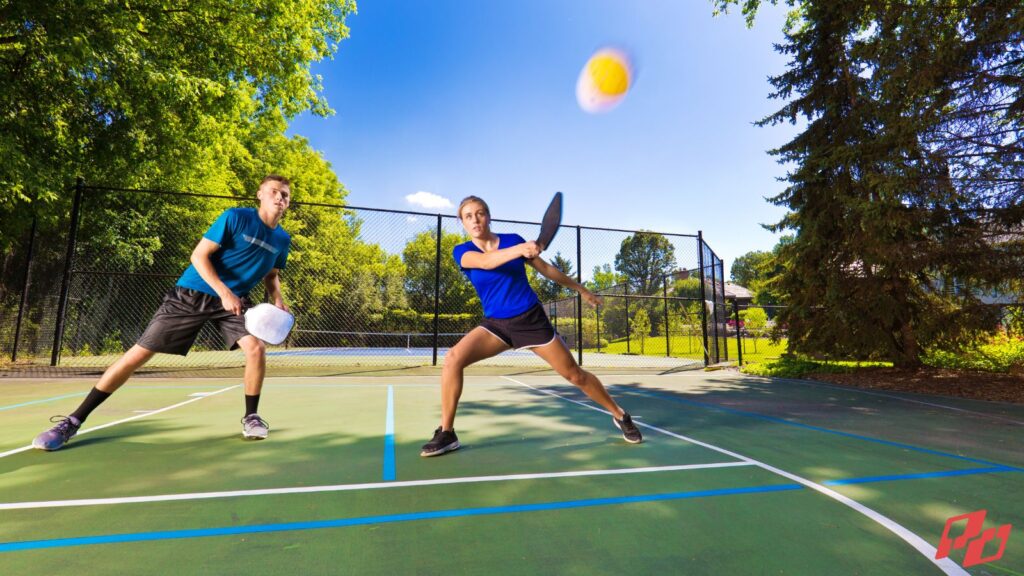
How to Find the Best Pickleball Shoes for YOUR Feet
Choosing the best pickleball shoes doesn’t have to be overwhelming. Here’s a step-by-step approach to finding the right footwear.
You can also check out our guide to the best court shoes for pickleball for specific shoe recommendations.
Step 1: Assess Your Playing Environment
Indoor players need maximum grip and should look for shoes with non-marking rubber soles specifically designed for indoor courts. Badminton, racquetball, or squash shoes often work well for indoor pickleball.
Outdoor players need durability and weather resistance. Shoes for playing tennis typically provide the best combination of support, traction, and durability for outdoor court surfaces.
Step 2: Prioritize Essential Features
Side-to-side stability should be your top priority. Look for shoes with reinforced sidewalls, wide bases, and low-profile designs that keep your foot close to the ground for better stability.
Cushioning needs vary by individual, but focus on support through the middle of the shoe rather than just heel cushioning. The balls of your feet take a lot of impact during pickleball, so look for shoes with more cushioning toward the front.
Proper fit cannot be compromised. Your feet naturally swell during exercise, so buy shoes later in the day when your feet are at their largest. Make sure you have enough toe room while maintaining secure heel and midfoot support.
While it may seem like common sense, sports and internal medicine physician, Dr. Wu reminds players: “Most importantly, a shoe should be comfortable. If it’s not comfortable, you don’t want to wear it.”
Step 3: Consider Your Personal Risk Factors
Players with previous ankle injuries should prioritize shoes with enhanced ankle support or consider adding ankle braces to their gear lineup.
Those with flat feet or high arches may benefit from custom orthotics in addition to proper court shoes. Quality insoles can enhance the support provided by even the best pickleball shoes.
Players with a history of plantar fasciitis should focus on shoes with better arch support and consider heel cups or specialized insoles designed for the condition.
Step 4: Listen to the Pros
While these final tips may seem like common sense, they’re worth repeating in the quest to find the perfect pickleball shoes.
When considering any athletic shoes, sports medicine professionals consistently remind players to:
Consider professional fitting at specialty sports stores where experts can analyze your foot structure, gait, and playing style to recommend the best shoes.
Invest in quality over quantity. Higher-quality shoes typically provide better support, last longer, and offer superior protection against injury compared to budget alternatives.
Replace shoes when needed. Take a few seconds to inspect your shoes before and after each time you play. There are too many factors to rely on a set number of hours played before replacing your shoes, but when you start to notice wear that affects your comfort and performance, it’s time for new shoes.
Pickleball Shoe Fit & Feature Guide
| Feature | Recommended Specs | Why It Matters | Best For |
|---|---|---|---|
| Court Type | Indoor: Non-marking gum rubber Outdoor: Durable rubber with tread | Prevents slipping or scuffing indoors; resists wear outdoors | All players |
| Heel-to-Toe Drop | 4–8 mm (Low-to-mid drop) | Promotes stable, grounded feel and reduces forward-lean instability | Lateral movements, quick pivots |
| Midsole Cushioning | Forefoot-heavy or balanced (avoid heel-only support) | Absorbs impact on the balls of your feet during fast play | Players prone to forefoot fatigue |
| Upper Design | Reinforced mesh or synthetic with sidewall support | Supports quick cuts and lateral motion | Aggressive movers, high-intensity play |
| Base Width | Wide forefoot platform | Increases lateral stability | Players with wide feet or stability concerns |
| Fit | Snug heel, roomy toe box | Prevents slipping and allows natural toe spread | All players |
| Arch Support | Built-in arch or orthotic-friendly design | Reduces plantar strain | Flat feet, high arches, plantar fasciitis |
| Ankle Support | Low-cut with strong lateral collar OR mid-cut with brace | Helps prevent rollover and ankle sprains | History of ankle injuries |
| Shoe Weight | 10–13 oz (men’s), 8–11 oz (women’s) | Balances quickness with shock absorption | Most rec and competitive players |
Your Next Steps to Injury-Free Play
The evidence is clear: proper footwear is non-negotiable for safe and comfortable pickleball play.
When choosing your next pickleball shoes:
Start by honestly assessing your current footwear against the criteria outlined in this article. If your shoes are failing the test, prioritize replacing them before your next game.
Consider your individual risk factors and don’t hesitate to consult with sports medicine professionals if you have concerns about your feet, ankles, or recurring pain.
And remember: the best pickleball shoes are the ones that keep you playing pain-free for years to come.