Fast serves have a way of making good rec players feel helpless.
One moment you’re set. The next, the ball skids at your shoes, your swing gets rushed, and you’re either popping it up or scooping it into the net. After a couple of those, confidence drops fast — and suddenly every serve feels faster than it actually is.
Here’s the important thing to know up front: returning fast serves isn’t about reflexes or strength. It’s about positioning, decision-making, and understanding what kind of fast serve you’re actually facing.
Once you get those pieces right, hard servers stop feeling scary — and start feeling predictable.
Why Fast Serves Feel So Uncomfortable
Fast serves disrupt three things at once:
- Timing (everything feels rushed)
- Contact point (the ball stays lower than expected)
- Decision-making (panic shows up quickly)
Most rec players assume the problem is their hands. In reality, it’s usually their starting position and swing intention.
As one coach puts it:
“Fast serves only feel fast when you’re surprised by them.”
So let’s remove the surprise.
Start With Space (This Fixes Half the Problem)
If fast serves keep landing at your feet, you’re probably standing too close to the baseline.
Standing right on the line gives you:
- Less time to read the serve
- A lower bounce window
- No margin if the ball skids
Instead, start 2–4 feet behind the baseline.
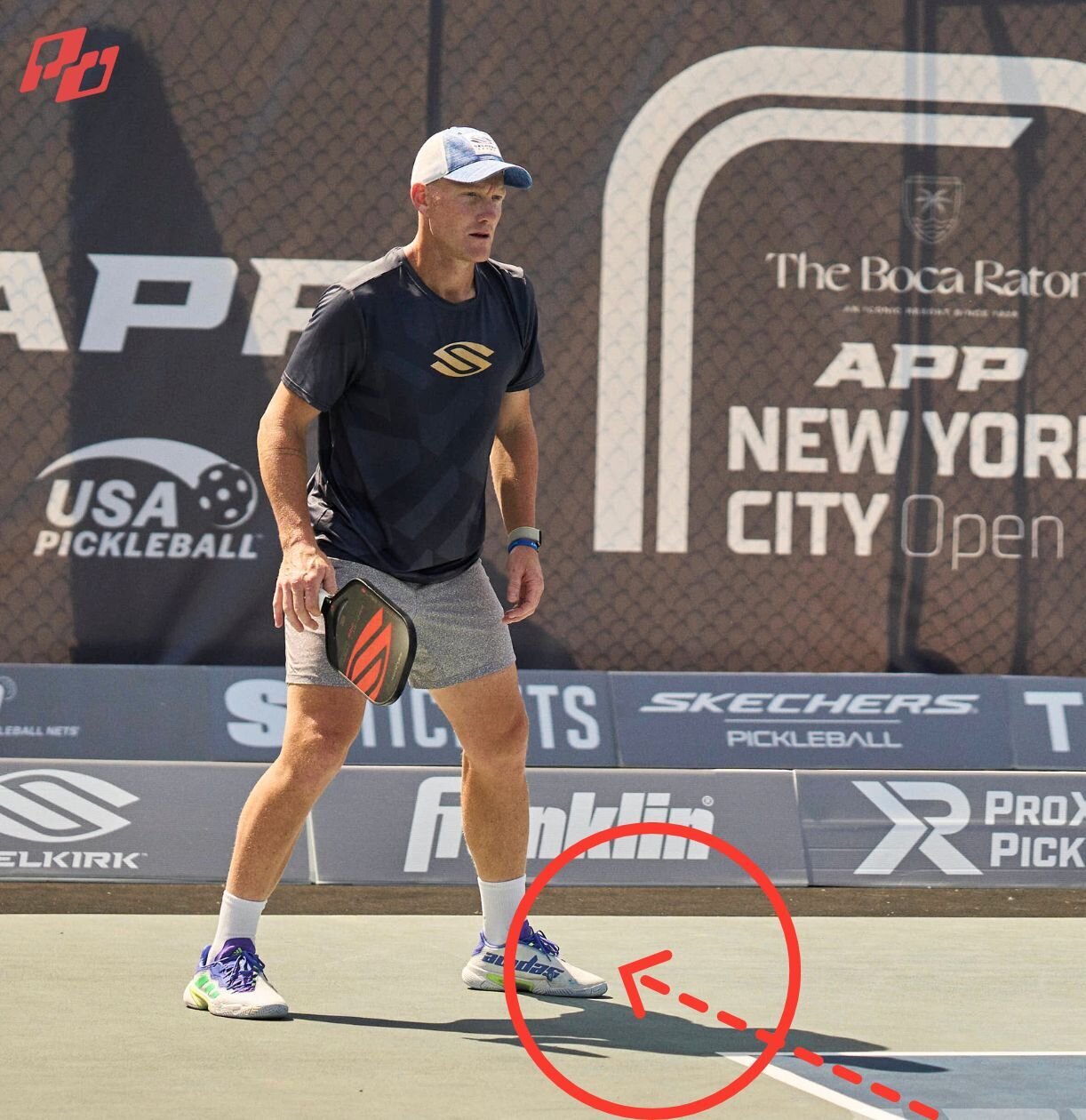
That extra space does three things:
- It lets the ball rise into a hittable window
- It gives you more time to read pace and direction
- It turns “at-your-feet” serves into waist-high contacts
Yes, you need to be ready for short serves — but moving forward is far easier than scrambling backward while jammed.
A great reminder from experienced players:
“It’s always easier to move forward than backward.”
That’s pickleball geometry working in your favor.
Not All Fast Serves Are the Same (Serve Typology)
This is where many returners get stuck: they treat every fast serve the same way. Better players don’t.
1. The Flat Bomb
Hard, low, and skidding.
Best response: Stand back, shorten the swing, and block deep — ideally middle or crosscourt. Let their pace do the work.
2. The Heavy Depth Serve
Not max speed, but pushes you deep and late.
Best response: Aim higher over the net and prioritize safe depth, not pace. Margin beats ambition here.
3. The Body Serve
Fast enough to jam your hips and hands.
Best response: Open your stance slightly and create space for your elbow. Think “clear the body, then block.”
Once you recognize the type, the return decision becomes much simpler.
Block, Don’t Swing
Against fast serves, aggression usually backfires.
You don’t need a big backswing. You need calm hands.
Think of your return like a kitchen block:
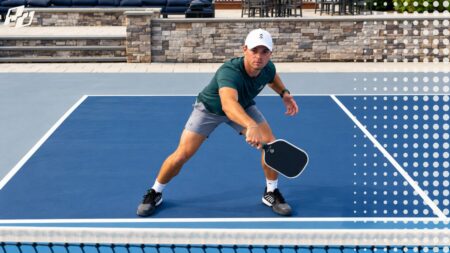
- Paddle out in front
- Compact swing
- Soft absorption of pace
- Controlled, forward finish
A cue many coaches love:
“Use their power — don’t add your own.”
If you swing harder because the serve was hard, you’re doing the server a favor.
Get Low Early (Before You’re Rushed)
Fast serves stay low on purpose. They punish upright posture.
If you wait until the ball bounces to bend your knees, you’re already late. The result is a scoop, a pop-up, or a netted return.
Instead:
- Lower your stance before the serve
- Keep weight slightly forward
- Paddle already in front
Players who get low early don’t panic — they just guide the ball back.
Watch the Paddle, Not Just the Ball
One of the most underrated skills in returning serves is early information. Before the ball crosses the net, the server’s:
- Paddle face
- Swing path
- Contact height
often tell you how much pace and direction are coming.
As one rec player put it (and they weren’t wrong):
“If you can’t see it, you can’t hit it.”
Reading the paddle buys you time. Time buys calm.
Margin Windows (How Safe Is “Safe Enough”?)
Instead of aiming for perfect targets, think in windows:
- Net clearance: ~3 feet on fast serves
- Depth: baseline ±2 feet
- Miss preference: long > into the net
This is how good returners think. They’re not aiming small — they’re protecting the rally.
Handling Serves at Your Feet (The Panic Zone)
When a serve still lands low and tight, shift your goal. You’re no longer trying to hit a “good” return — you’re trying to hit a neutral one.
Shorten the swing even more. Aim higher. Guide the ball deep.
Remember:
The return’s job is to start the point, not win it.
A high, deep return that gives you time to move forward is a win.
Don’t Rush the Net — Earn It
Fast serves often pull you off balance. Charging the kitchen immediately after a rushed return is a common mistake.
Instead:
- Hit the return
- Regain balance
- Move forward with a split step
As coaches like to say:
“Getting to the kitchen ready beats getting there fast.”
One important note: the return of serve is one of the few shots where moving forward is actually correct — if it’s done in the right order.
Better players make contact first with a compact swing, then let their momentum carry them forward, finishing with a split step as the server hits the third shot. It’s not rushing the net — it’s earning it with balance and timing:
What Not to Do (Even Though It Feels Right)
Fast serves tempt players into mistakes that feel confident but backfire:
- Standing your ground to “show confidence”
- Taking the serve early on the rise
- Swinging harder because the serve was hard
- Sprinting forward without resetting balance
These feel aggressive. They’re usually low-margin.
How to Practice This So It Transfers
If you rarely face big servers, they’ll always feel shocking.
A simple, effective drill: Have a partner stand closer (even near the kitchen) and feed fast, flat balls at you. Practice blocking returns deep with a compact swing.
You’re not training winners — you’re training comfort under speed.
That comfort is what shows up in games.
The First 5 Points Plan (Steal This)
When facing a fast server:
- Stand back
- Block deep
- No hero swings
- Observe patterns
- Adjust after information appears
This keeps you calm and forces the server to hit multiple good serves in a row.
The Lesson Fast Serves Force You to Learn
Fast serves don’t beat players — they expose impatience.
They reveal who rushes decisions, who over-swings under pressure, and who treats the return like a scoring shot instead of a setup shot. The players who handle them best aren’t doing anything flashy. They’re simply comfortable letting the point start neutral.
Here’s the real upgrade: if you can return fast serves calmly, you’ll notice something surprising — every other return gets easier. Your spacing improves. Your confidence rises. Your third-shot defense gets better without you “working on it.”
So think of fast servers as free training partners. If you can make their biggest weapon feel ordinary, the rest of the game slows down in a hurry.
And that’s when your returns stop surviving — and start controlling points.