Most recreational players think power in pickleball comes mainly from the arm and wrist. If they want a harder forehand drive, they simply swing faster or tighten their grip.
But that’s not where real power starts.
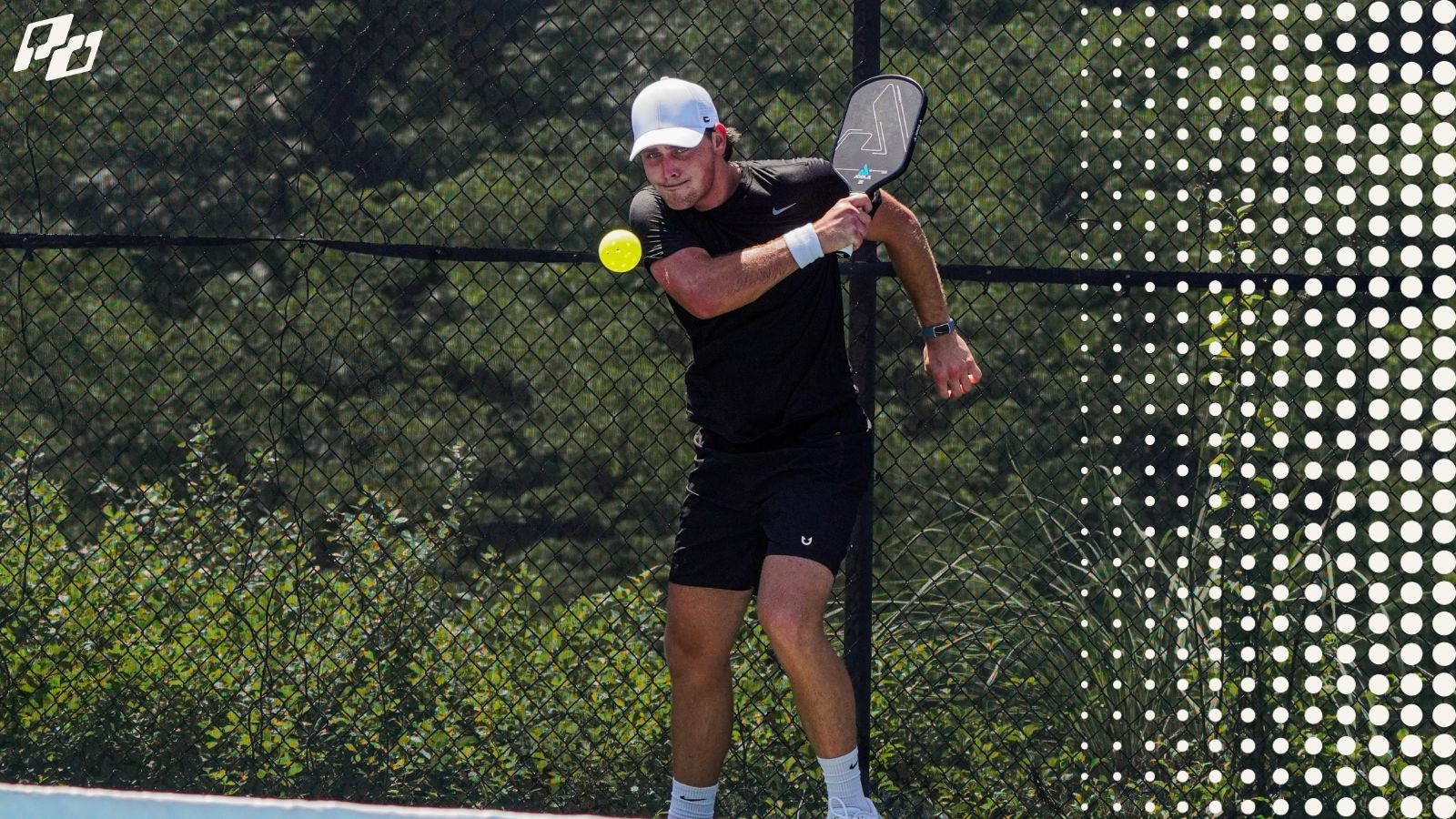
In reality, power in racket sports begins from the ground up. Your legs and weight transfer create the energy that flows through the hips, torso, shoulder, arm, and finally into the paddle.
That’s why players who only step forward and swing often struggle to generate pace. Instead of creating power, they’re simply reaching for the ball.
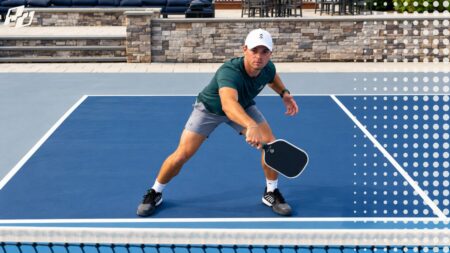
The key is loading your outside leg first—then exploding forward into the shot.
The Key Concept: Load, Then Step
Many beginners are taught to step forward with their front foot when hitting a forehand drive. That advice isn’t wrong—but it’s incomplete.
If you only step forward without loading first, your shot loses the most important source of power: stored energy.
The correct sequence looks like this:
- Load on your outside leg (the leg furthest from the ball).
- Shift your weight forward.
- Step into the shot with your front foot.
- Drive through the ball.
Think of it like a spring.
➡️ First you compress it.
➡️ Then you release it.
That loading phase allows you to push off the ground and transfer energy through your body, which creates a much stronger and more stable drive.
Below is a short video showing the concept in action.
Why This Creates More Power
This movement pattern works because of something called the kinetic chain—the sequence of body movements that transfer energy into the ball.
In an efficient forehand drive:
- The legs generate force.
- The hips rotate.
- The torso follows.
- The shoulder and arm accelerate the paddle.
If the legs aren’t involved, the chain breaks early and the arm has to do all the work. That leads to two common problems for rec players:
- weak drives
- arm fatigue
When you load on the outside leg first, you create ground force and rotational momentum, which dramatically increases paddle speed.
How to Know If You’re Doing It Right
A good forehand drive should feel smooth and connected, not forced. Here are a few signs your loading sequence is working:
✔ Your weight clearly shifts from your back leg to your front leg
✔ Your hips rotate naturally into the shot
✔ The ball comes off the paddle with easy pace
✔ You feel balanced after contact
If the shot feels rushed or off balance, you’re probably skipping the load phase.
When This Tip Helps the Most
Loading your outside leg is especially useful in these situations:
1. Third-Shot Drives
This is one of the most common situations where rec players try to generate power.
Instead of lunging forward at the ball, loading your outside leg allows you to attack the return with controlled pace.
2. Midcourt Attack Balls
When a ball sits up slightly around midcourt, loading and stepping forward allows you to drive through the ball instead of slapping at it.
3. Passing Shots
Against opponents rushing the kitchen, a properly loaded forehand drive can generate extra pace and penetration.
When It Can Backfire
Like many technique tips, this one isn’t universal. Loading too much can actually hurt your shot in certain situations.
❌ Fast Kitchen Exchanges
At the non-volley zone, there usually isn’t time for a big load-and-drive motion.
In fast hand battles, compact swings are far more effective.
❌ Emergency Defense
If you’re stretched wide or reacting quickly, you may not have time to fully load your outside leg.
In those cases, focus on staying balanced and simply getting the ball back in play.
❌ Overloading the Shot
Some players try to exaggerate the loading phase and end up:
- leaning too far back
- swinging late
- losing balance
The loading motion should be subtle and athletic, not dramatic.
A Simple Practice Cue
If you want to feel the difference immediately, try this cue: “Load, then go.”
Before hitting your forehand drive, briefly feel your weight settle into your outside leg. Then push forward into your front foot as you swing.
Even a small weight shift can dramatically improve your power and stability.
A Coach’s Tip for Rec Players
One of the easiest ways to practice this is during warm-up drives. Instead of focusing on hitting hard, focus on feeling the weight transfer.
Think: outside leg → front leg → swing
When that sequence becomes natural, you’ll notice something surprising. You won’t have to swing harder to hit harder.
The power will come from your movement, not just your arm.