Most recreational players think the drop shot is just one shot.
Get the ball soft. Land it in the kitchen. Move forward.
But in reality, better players use different types of drops depending on the situation. The ball height, your balance, and where you are on the court all determine which drop works best.
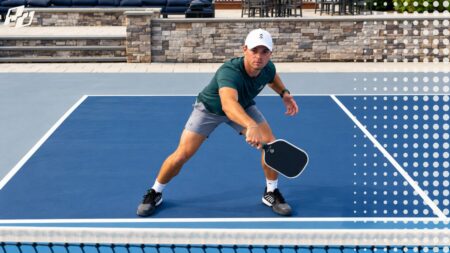
Our pickleball coaching partners racketpro recently shared a short instructional video from master clinician David Selvaggi demonstrating three different drops and when to use them. It’s a simple idea, but it reveals something important: not all drops are created equal.
Many rec players practice only one type of drop. That works sometimes—but it also limits your ability to handle tougher situations.
So let’s break down the concept and why learning multiple drops can dramatically improve your transition game.
The Three Types of Drop Shots
In the video, Selvaggi highlights three distinct drops:
- Shovel Drop – used when you’re out of position and the ball is very low.
- Slice Drop – used when you’re pulled wide and need a defensive lift.
- Topspin Drop – used when you’re balanced and the ball is higher.
Each one solves a different on-court problem.
Before diving deeper, take a look at the original explanation from David Selvaggi.
Why One Drop Shot Isn’t Enough
Most rec players approach drop shots with a single mindset: soft and safe. While that’s not wrong, the problem is that pickleball points rarely present identical situations.
Sometimes the ball is low.
Sometimes you’re stretched wide.
Sometimes you’re perfectly balanced and attacking.
Trying to hit the same drop shot in every situation leads to three common mistakes:
- forcing topspin drops when the ball is too low
- popping up defensive drops when off balance
- missing opportunities to attack with a more aggressive drop
The key is recognizing which drop the situation demands.
1. The Shovel Drop: Your Emergency Reset
The shovel drop is your most defensive option. This shot is designed for moments when things aren’t going well—when you’re off balance, late to the ball, or hitting from a difficult position.
Typically this happens when:
- you’re stuck deep in the court
- the ball is bouncing low
- you’re scrambling after a strong return
Instead of trying to shape the ball with spin, the goal becomes simple: get the ball safely into the kitchen.
The motion resembles a gentle scooping action, almost like lifting the ball with the paddle face. The contact point is usually:
- lower
- softer
- more open-faced
The trajectory should be higher and slower, giving the ball enough arc to clear the net and land softly.
Coach’s Cue
Think: “Lift and land.”
Not drive. Not spin. Just lift the ball safely into the kitchen so you can continue moving forward.
Where It Lands
Shovel drops usually land in the shallow or defensive portion of the kitchen, meaning closer to the net.
This isn’t ideal positioning—but it buys you time to recover. And sometimes survival is the goal.
2. The Slice Drop: The Wide-Court Solution
The backhand slice drop becomes useful when you’re pulled wide. Imagine chasing a return toward the sideline. Your body is stretched, your momentum is sideways, and the ball is dropping quickly.
Trying to hit a topspin drop from this position is extremely difficult. That’s where slice becomes your friend. By cutting underneath the ball with a slight slicing motion, you can:
- lift the ball more easily
- slow its forward speed
- create a softer landing in the kitchen
The spin also helps the ball stay low after the bounce, which reduces the chance of your opponent attacking.
Why Slice Works Here
When you’re pulled wide, your balance is compromised. Slice allows you to control the ball without needing a full body rotation or aggressive swing.
It’s a controlled defensive tool.
Coach’s Cue
Think: “Lift and float.”
Not power. Not aggression. Just guide the ball crosscourt or middle and move forward.
3. The Topspin Drop: Your Offensive Weapon
The topspin drop is the most advanced—and most powerful—of the three. This shot happens when:
- you’re balanced
- the ball sits higher
- you have time to load and swing
Instead of simply lifting the ball, the topspin drop allows you to shape the shot with forward rotation, sending it deep into the kitchen while still dipping downward.
This creates two advantages.
First, the ball can travel faster while still landing safely. Second, the topspin causes the ball to kick forward after bouncing, pushing your opponent backward.
That’s why this drop is often considered the offensive version of the third-shot drop.
Where It Lands
Ideally, a topspin drop lands deep in the kitchen, near the opponent’s feet.
That forces them to hit upward and gives you an easier ball on the next shot.
Coach’s Cue
Think: “Brush and roll.”
Brush up the back of the ball to create rotation while still sending the ball forward.
Reading the Situation
The real skill isn’t just executing these shots. It’s recognizing which one to use.
➡️ When the ball is low and you’re scrambling, choose the shovel drop.
➡️ When you’re pulled wide, use slice to lift and recover.
➡️ When you’re balanced with time, attack with topspin.
Better players constantly evaluate these variables:
- ball height
- court position
- body balance
- opponent positioning
And they adjust their drop accordingly.
Why This Matters for Rec Players
Many recreational players practice only one drop shot—usually the topspin version. That creates problems when the situation changes.
Trying to force a topspin drop when the ball is low often leads to:
- balls in the net
- rushed swings
- pop-ups
Learning multiple drop options makes your transition game far more adaptable. Instead of forcing one technique, you match the shot to the moment.
A Simple Practice Idea
If you want to improve this skill, try a drill where each drop type is practiced separately. Have a partner feed three different balls:
- Low ball → shovel drop
- Wide ball → slice drop
- Higher ball → topspin drop
Rotating through these scenarios helps your brain recognize which drop fits the situation.
Over time, those decisions start happening automatically during real points.