The cold-weather problems rec players don’t see coming—and how to prevent them
Winter pickleball has a sneaky vibe: the game looks the same, but your body is playing under different rules. Cold air reduces blood flow to the extremities, stiffens muscle-tendon tissue, and makes your first few explosive movements (sprint, lunge, hard plant) the highest-risk ones.
Sports medicine reviews on cold-region sports injuries specifically point to reduced tissue elasticity and flexibility as a key reason injury risk rises in low temperatures.
Below are the most common cold-weather–amplified pickleball injuries and the “why” behind them—plus practical prevention that doesn’t require a personal trainer.
The big 5 winter-related injuries (and why they spike)
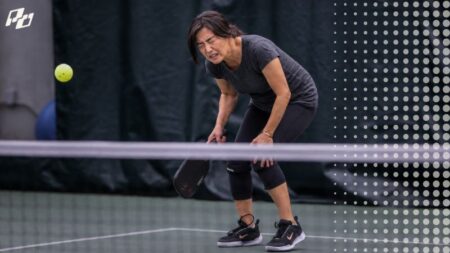
1) Calf strains + Achilles flare-ups
Pickleball’s stop-start pattern (short sprints, sudden braking, quick split steps) loads the calf–Achilles unit hard. In the cold, that unit is typically stiffer, so it tolerates less “surprise stretch” before it complains.
What it looks like: that sharp “grab” in the calf, or Achilles tenderness the next morning—especially after a few aggressive lunges.
Prevent it (the winter-specific way): Do a longer ramp warm-up than you think you need (details below), and avoid your “first hard sprint” being during point one.
ACSM (American College of Sports Medicine) specifically emphasizes the importance of warming up and layering for cold-weather exercise.
2) Hamstring pulls on wide balls + defensive scrambles
Hamstrings get hit when you’re reaching wide, decelerating, or backpedaling into a desperate save. Cold stiffness raises the odds that the hamstring is asked to lengthen quickly before it’s ready.
What it looks like: a sudden pinch near the back of the thigh after one “hero” run.
Prevent it: Warm up with lateral movement and decel practice (not just jogging). Decel practice simply means rehearsing how you slow down: take a few controlled shuffle steps, then ease into the stop over one or two steps instead of slamming on the brakes. Bend your knees, stay balanced, and finish under control.
Do this on both sides before play. Also, give yourself permission to not go full emergency-mode for the first 10 minutes.
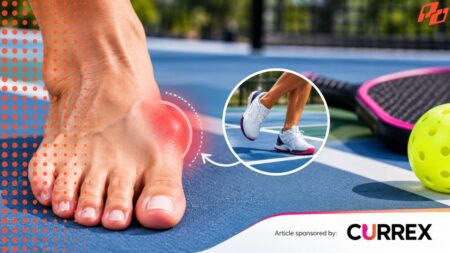
3) Foot/ankle problems: plantar fascia flares, ankle sprains, “turf-toe-ish” tweaks
Cold-region sports injury literature highlights that low temperatures can elevate foot and ankle injury risk through stiffness and reduced flexibility.
Pickleball-specific winter twist: cold courts + damp spots + leaves = more slips and awkward landings.
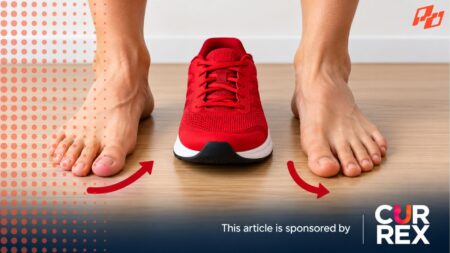
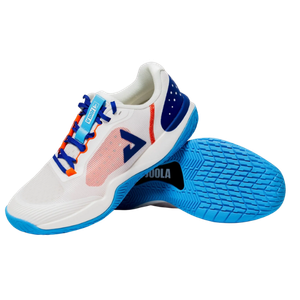
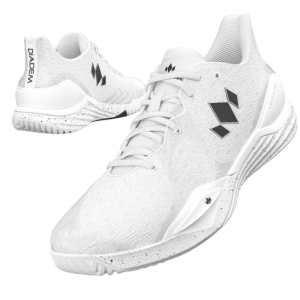
Prevent it: Footwear matters more in winter: prioritize traction and stable lateral support. Shoes built specifically for pickleball tend to hold up better during cold-weather cuts and stops.
Solid options known for lateral stability include Diadem Court Burst and the Franklin ACV Pro — all designed to handle quick side-to-side movement without feeling sloppy.
|
Best Overall
|
Best for Speed
|
Best Value

|
|
Pros:
|
Pros:
|
Pros:
|
- Grippy traction
- Comfort that lasts
- Built just for pickleball
4) Low-back “grab” after bending + popping up repeatedly
Cold tends to make your movement more rigid. Add bulky layers, and you’re suddenly hinging less and rounding more. The low back becomes the “default mover,” especially on low dinks and resets.
Prevent it: Warm up your hips, not just your heart rate. Before playing, take a minute to move your hips through their full range: slow hip circles, gentle side lunges, and a few controlled squat-to-stand reps.
Focus on hinging at the hips while keeping your spine neutral. If your hips feel stiff and don’t open early, your lower back will try to compensate once the points start — and that’s when the “grab” usually shows up.
5) Hand/wrist/elbow irritation from over-gripping in the cold
Cold hands = tighter grip. Tighter grip = more shock traveling into the forearm. Even if the injury isn’t new, winter can aggravate tendon irritability.
Prevent it: Keep hands warm between games (gloves/hand warmers) and consciously reset grip pressure: “firm enough to control, soft enough to feel.”
The winter injury most rec players ignore: breathing issues
Cold, dry air can trigger exercise-induced bronchoconstriction (EIB)—not just in people with known asthma. Reviews estimate EIB prevalence around 5–20% in the general population, and much higher in certain athlete groups (often cited 30–70% depending on sport/environment).
What it looks like: coughing after points, chest tightness, wheezing, unusual shortness of breath that feels out of proportion to effort.
What helps: Covering your mouth/nose to warm and humidify inhaled air can reduce airway irritation; heat-and-moisture exchange approaches have evidence in winter sport contexts.
If you have asthma/EIB history, follow your clinician’s plan—this is one of those areas where personalized medical guidance matters
Quick table: “What gets people in winter” → “what to do”
| Winter issue | Why it happens | Best prevention move |
|---|---|---|
| Calf/Achilles tweaks | Stiffer muscle-tendon unit + sudden accelerations | Longer ramp warm-up + first 10 mins at 80% |
| Hamstring pulls | Cold stiffness + scramble decels | Lateral + decel warm-up; avoid early hero runs |
| Foot/ankle slips | Cold/wet court + stiffness | Traction + court scan + controlled first cuts |
| Low back grabs | Reduced hip mobility + layers | Hip-focused warm-up + hinge practice |
| Tight forearm/tennis elbow | Cold hands → over-grip | Warm hands + grip pressure “check-ins” |
| Cold-air coughing/EIB | Cold dry air irritates airways | Mouth covering/HME style warmth + paced starts |
The most effective prevention “stack” for rec players
1. Upgrade your warm-up (make it winter-specific)
In winter, a warm-up isn’t a courtesy—it’s injury insurance. The goal is to raise tissue temperature and prepare for lateral stops/starts. ACSM’s cold-weather guidance emphasizes warm-up and layering to reduce risk.
A simple structure that works:
- 3–5 minutes brisk walk/jog + arm swings (get heat up)
- 3 minutes lateral shuffles + controlled split steps
- 2 minutes “decel practice”: short shuffle → stick the landing (soft knees)
- 2 minutes mini-dink rally + a few easy volleys
- Then you play—still at ~80% for the first few games
2. Stay warm between games (this is where winter steals you)
The mistake isn’t just starting cold—it’s cooling down repeatedly while you wait. Layer up fast after games.
Keep hands warm. Don’t let your muscles drop back to “cold-start mode” every 10 minutes.
3. Make the court safer before the first point
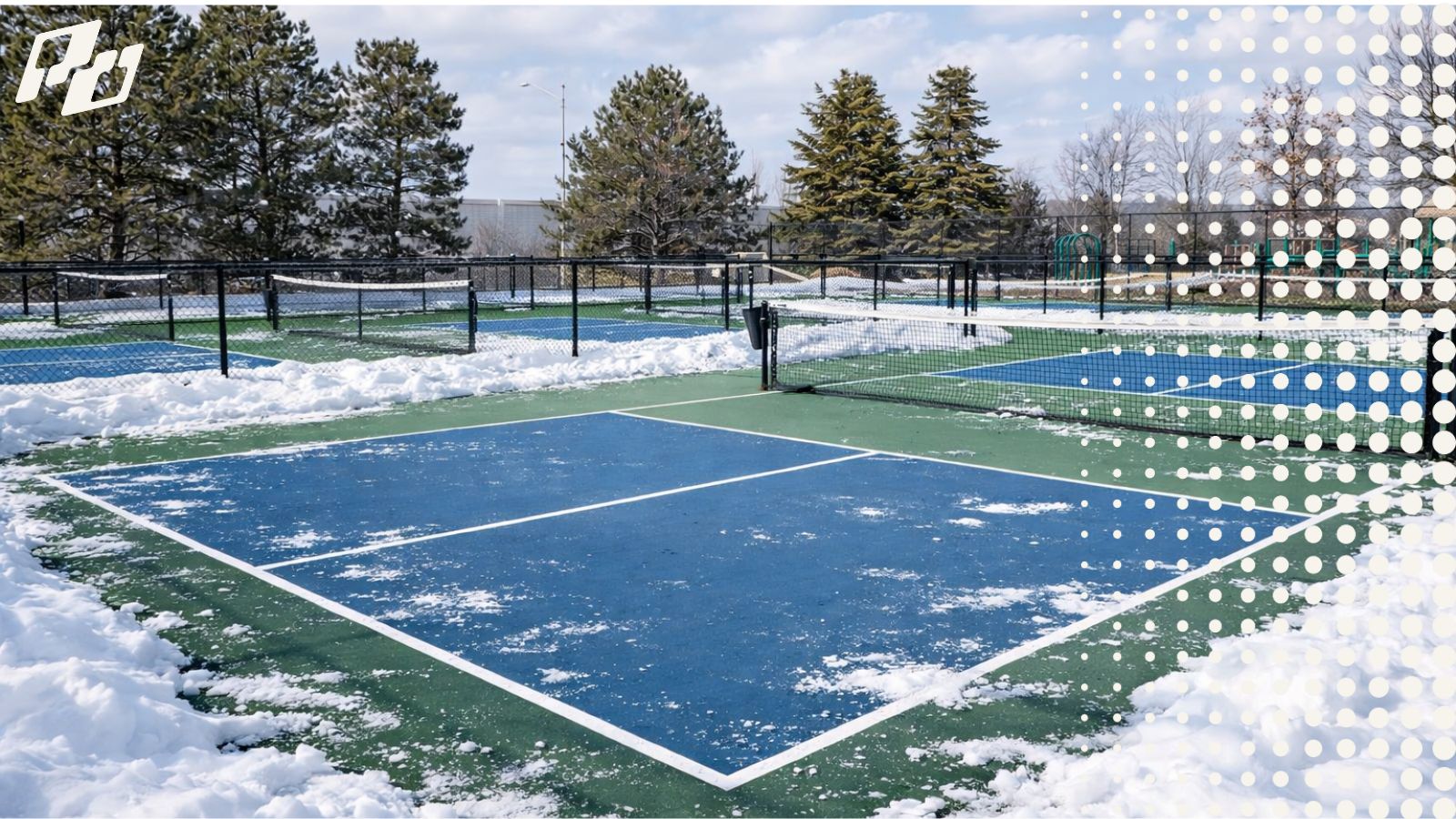
Winter adds slip risk through condensation, damp paint, debris, and low-angle shade. Winter safety guidance across orthopedics emphasizes slippery surfaces as a major hazard in cold seasons.
Take 20 seconds: scan the NVZ line area and both baselines for slick patches.
4. Adjust your “risk profile” early
Cold weather is not the time for point one to be your hardest sprint of the day. If you want a competitive mindset, great—just earn it with a ramp.
5) Know the red flags that mean “stop”
- Sharp calf/Achilles pain that changes your stride
- A hamstring “pop” or immediate pulling sensation
- Numb fingers that won’t re-warm (cold injury risk—NATA notes cold injuries can occur in physically active people)
- Chest tightness/wheezing that’s new or worsening (get evaluated)
What Winter Pickleball Really Asks of You
Winter doesn’t invent new injuries — it exposes impatience. It punishes rushing, skipping steps, and treating a cold body like it’s already mid-July. The trouble usually shows up in the same places: the first hard cut, the first scramble, the first point where you move faster than you’re ready for.
The smartest adjustment isn’t dramatic. Warm up longer than feels necessary. Ease into pace instead of proving you still have it. Think of the first 10 minutes as setting the tone for the day, not testing your ceiling.
One extra mindset shift: winter is the season to value clean movement over heroic effort. If a ball requires a full-send lunge early on, letting it go is often the healthiest play you’ll make all day.
Stay patient early, and your body usually rewards you by letting you play longer — and better — once you’re truly warm.