Pickleball is explosive. Addictive. Social. It’s also deceptively demanding on your joints — especially if you’re over 40.
You move laterally, twist your spine, load your knees, flick your wrists, and snap your shoulder into overheads — all in short, intense bursts. Sounds like fun (it is), but it’s also a recipe for cumulative strain.
The good news? Injury isn’t inevitable.
But only if you understand where your body is absorbing stress — and take proactive steps to unload it.
This article breaks down the most vulnerable joint load zones, how your play style affects risk, and gives you doctor-approved prevention and recovery strategies that actually work.
The Biomechanics Behind “Joint Load Zones”
“Joint load” refers to the cumulative mechanical stress placed on a joint during movement.
The key factors?
- Repetition (how often you’re doing the same motion)
- Force (how hard you’re doing it)
- Angle of load (some joint positions are more vulnerable than others)
- Recovery time (older players need longer)
Why this matters after 40:
- Collagen density drops ~1% per year after 35
- Tendons lose water, making them more brittle
- Cartilage thins, especially in knees and shoulders
- Injury recovery time doubles after age 45, on averag
Translation? You don’t bounce back the way you used to. But you can still bulletproof your body — with smarter prep, play, and post-match care.
THE BIG FOUR: At-Risk Joint Zones & How to Protect Them
1. Shoulders – The Rotator Cuff Danger Zone
The Risk:
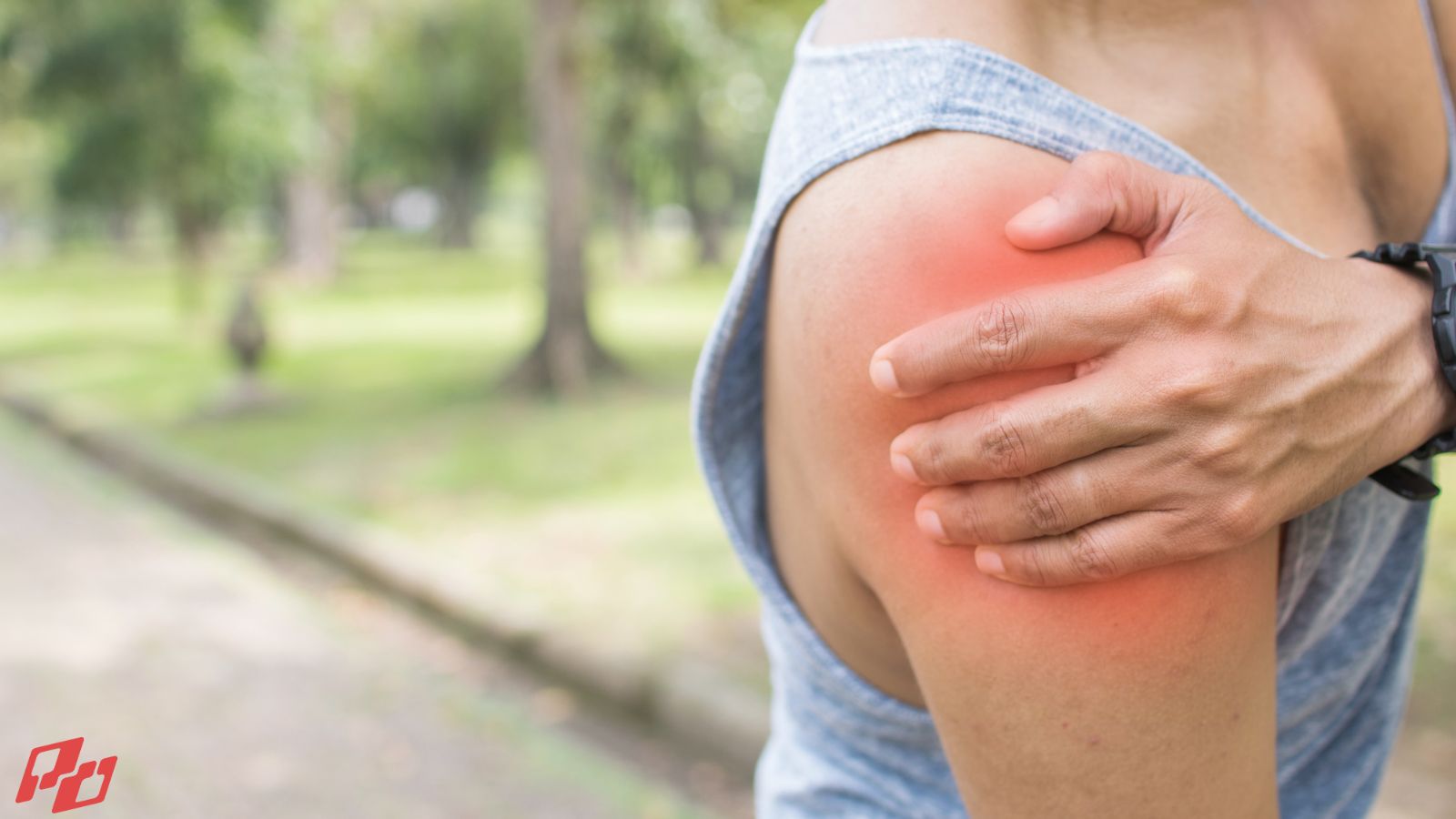
Shoulders take a beating from overheads, fast volleys, and reaching dinks. Most rec players unknowingly over-recruit the shoulder when the hips and core should be helping.
Data Snapshot:
- Pickleball overheads generate 44–65% of peak torque seen in tennis serves
- 55% of shoulder injuries in rec pickleball players over 40 are cuff-related (rotator cuff strain, impingement, or labral fray)
Common Culprits:
- Flicky overheads with full-arm swings
- Reaching outside the body on dinks and resets
- Rounded shoulders from poor posture
Prevention That Works:
- Scapular pushups + banded external rotations (2x/week)
- Use a “compact swing” overhead — elbow bent, contact in front
- Warm-up with arm circles, band pull-aparts, and shoulder blade squeezes
- Play with a lighter paddle (<8 oz) if you feel shoulder fatigue
Recovery Protocol:
- Ice post-play for 10 minutes
- Sleep with a pillow under your armpit to keep joint neutral
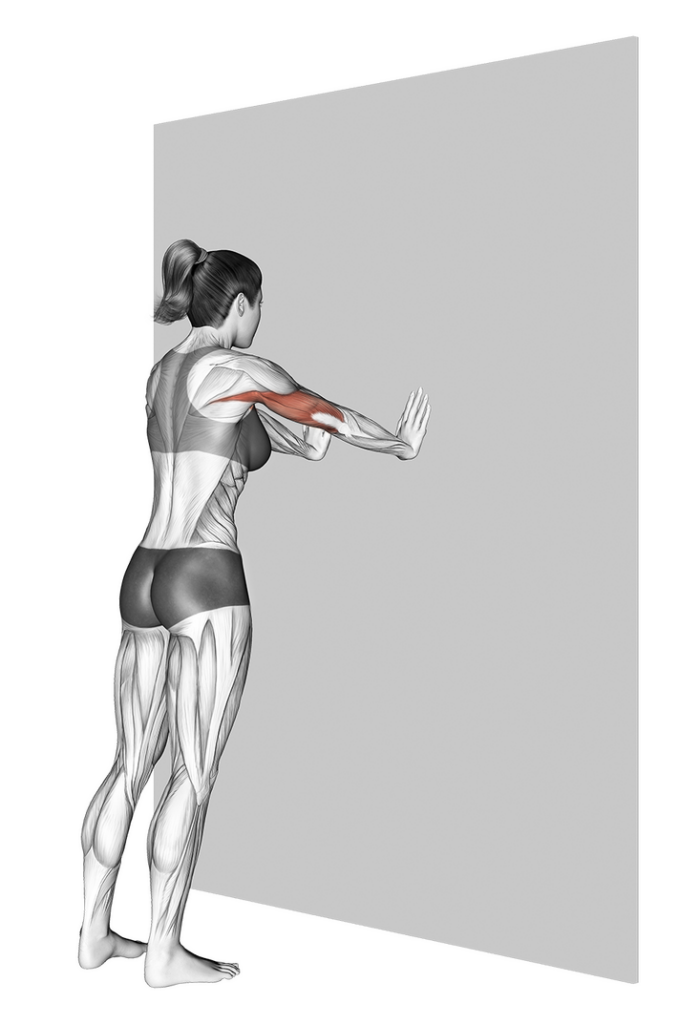
- Do isometric holds (e.g., wall presses) to maintain stability when sore
2. Elbows – The “Pickleball Elbow” Epidemic
The Risk:
Tennis elbow (lateral epicondylitis) is now being called “pickleball elbow” — it’s from overuse of wristy drives, stiff-armed volleys, and vibration from off-center hits.
Data Snapshot:
- 62% of rec players over 45 who play 3x/week or more report intermittent elbow soreness
- Wrist-dominant players generate up to 32% more tendon strain at the lateral elbow
Common Culprits:
- Over-gripping the paddle (tight wrist, no give)
- Paddle too head-heavy → loads wrist and elbow
- Constant backhand flicks or blocks
Prevention That Works:
- Strengthen forearm extensors + flexors (wrist curls, pronation drills)
- Use a 2-finger “soft grip” for resets and dinks — reduce tension
- Choose paddles with shock-dampening cores or edge guard tech
A 2-finger “soft grip” in pickleball refers to a grip style where only the index finger and thumb apply most of the pressure on the paddle, while the other fingers remain relaxed and lightly curled around the handle.
Recovery Protocol:
- Use a thera-bar or flex bar for eccentric forearm rehab (3 sets daily)
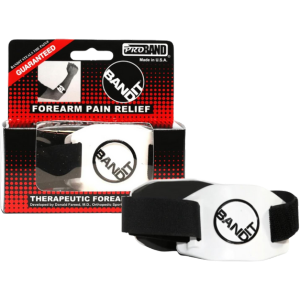
- Try a forearm compression strap to offload tendon pressure
- Avoid drives for 2–3 sessions if sore — favor roll drops and resets
We use this compression strap for targeted pain relief:
Relieves pain from elbow and forearm issues.
Boosts circulation with smart compression.
Durable & comfy latex-free design.
Easy fit and simple to clean.
3. Knees – The Wear-and-Tear Load Bearers
The Risk:
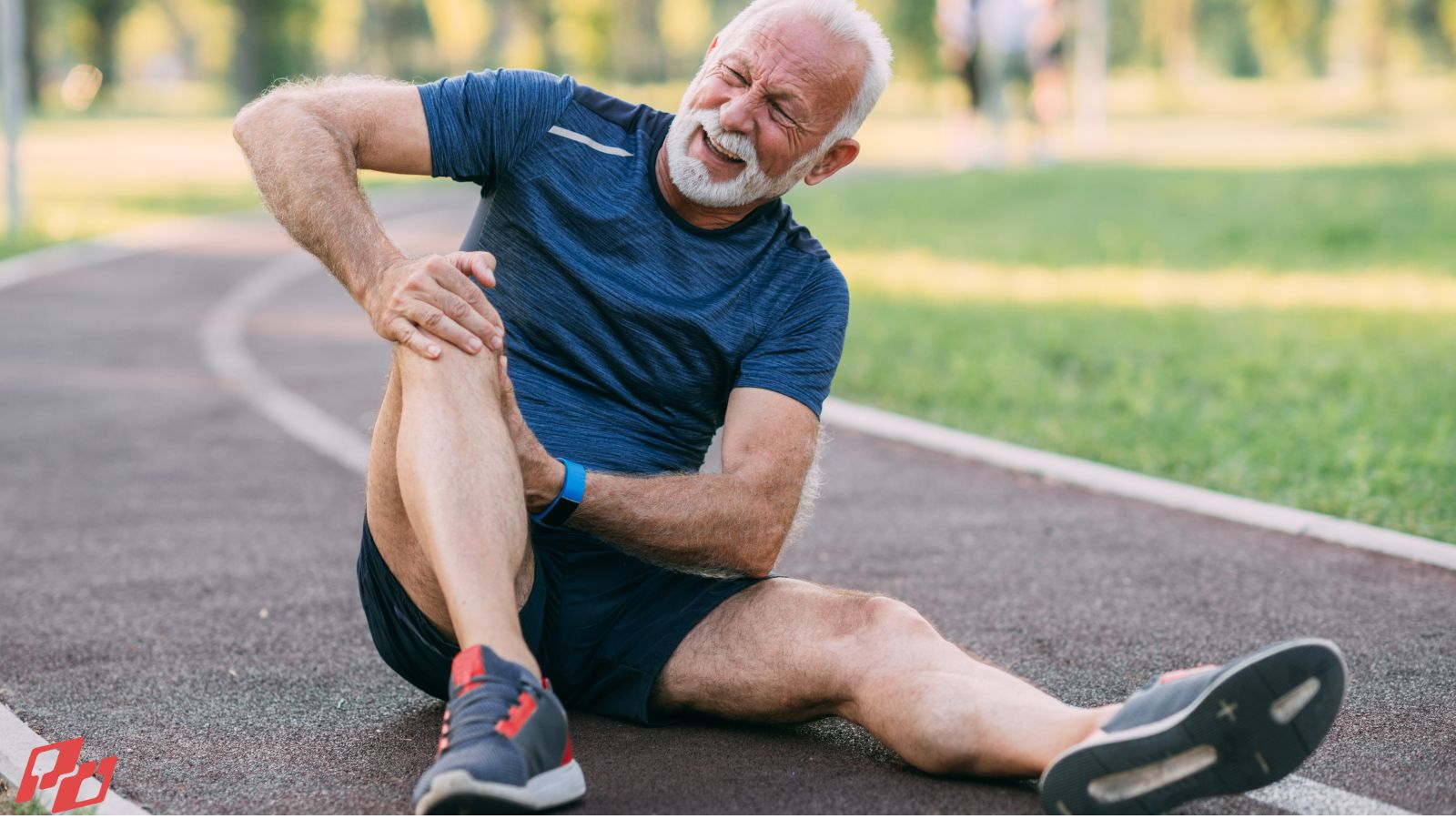
Knees absorb every shuffle, lunge, split step, and pivot — but older knees often lack shock absorption from cartilage loss, and stability from weaker glutes.
Data Snapshot:
- After 40, cartilage thickness declines 5–10% per decade
- Pickleball’s lateral lunging can create 4x bodyweight pressure on the patellofemoral joint
Common Culprits:
- Hard deceleration from sudden stops
- Lunges with knee collapsing inward
- Playing on concrete or low-cushion courts
Prevention That Works:
- Strengthen glutes (clamshells, bridges), quads (step-downs), calves
- Wear court shoes (not running shoes) with lateral stability
- Glide or shuffle instead of hopping toward the NVZ
- Foam roll IT bands and quads post-match to reduce knee tension
Recovery Protocol:
- 10 minutes of elevated icing with leg up
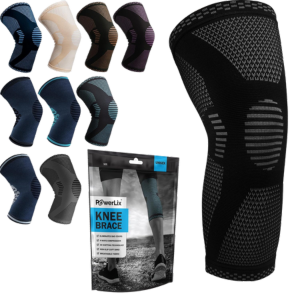
- Use compression sleeves to reduce swelling
- Rest at least 1 day between sessions if you feel joint heat or stiffness
These knee sleeves have truly worked wonders for us:
All-in-One Support – Brace, pad & compression in one sleeve.
Pain Relief – Eases arthritis, meniscus tears & more.
Stay-Put Fit – Anti-slip gel keeps it in place.
Comfort & Style – Designed to feel good and look great.
4. Wrists – The Flicker’s Fatigue Zone
The Risk:
Wrist strain comes from constant resets, roll dinks, and fast flicks. If the grip is too tight or the motion is too isolated, the wrist becomes the scapegoat.
Data Snapshot:
- Wrist injuries in rec players are 3x more common in those who favor backhand flicks
- 70% of wrist pain comes from over-gripping and poor paddle control
Common Culprits:
- Too-tight grip (especially with sweat buildup)
- Improper paddle size or balance
- Heavy reliance on wrist for spin and deception
Prevention That Works:
- Strengthen ulnar/radial deviation muscles + grip endurance
- Use oversize grips or cushion wraps to reduce tension
- Practice flicks with neutral wrist and whole-arm support
- Switch to hybrid roll drops to reduce pure wrist action
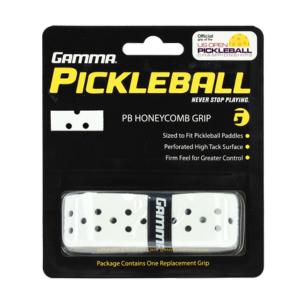
An excellent cushioned overgrip for most pickleball players:
Moisture-Wicking – Keeps hands dry and grip secure.
Tacky & Cushioned – Extra comfort with strong hold.
Perforated Design – Prevents slippage and adds style.
Fits Any Paddle – Long, easy-to-wrap grip.
Recovery Protocol:
- Contrast baths (ice/cold → warm water) 3 cycles
- Wrist extension/flexion holds (10 reps, 3 sets)
- Reduce paddle work for 48 hours after onset of symptoms
BONUS: Play Style Risk Profiles
| Play Style | Highest Load Zone | Prevention Focus |
|---|---|---|
| Slammers | Shoulders, elbows | Compact swing, paddle weight, warm-up |
| Reset Specialists | Wrists, knees | Soft grip, knee mobility drills |
| Dinkers | Wrist, shoulder | Variety of shot types, scap control |
| Power-Drivers | Elbow, shoulder | Forearm strength, grip control |
| All-Court Movers | Knees, back | Recovery routines, quad/glute strength |
Complete Joint Longevity Routine (Weekly)
Before Play:
- 5-min dynamic warm-up: leg swings, arm circles, band pulls
- 2 sets: wrist circles, ankle rolls, quad pulses
After Play:
- 7-min cooldown: foam roll quads + IT band, stretch pecs/shoulders
- 5-min contrast bath (elbow or wrist if sore)
Weekly:
- 2x strength sessions (glutes, scapula, core, forearms)
- 1 full rest day + 1 active recovery day (bike, swim, walk)
- Hydrate: >80 oz/day — water lubricates joints and tendons
- Collagen + vitamin C post-workout may support tendon repair
You’re Not Broken — You’re Just Outdated (Sometimes)
If you’re 40+ and playing with the same body strategy you used at 25, something’s gotta give — and it’ll probably be a joint.
But here’s the truth: with smarter movement, stronger muscles, and recovery that actually supports repair, you can thrive on the court well into your 60s and 70s.
So don’t just stretch.
Don’t just ice.
Train the machine. Feed the tissues. Protect the zones.
You don’t need to play scared. You just need to play smart.