

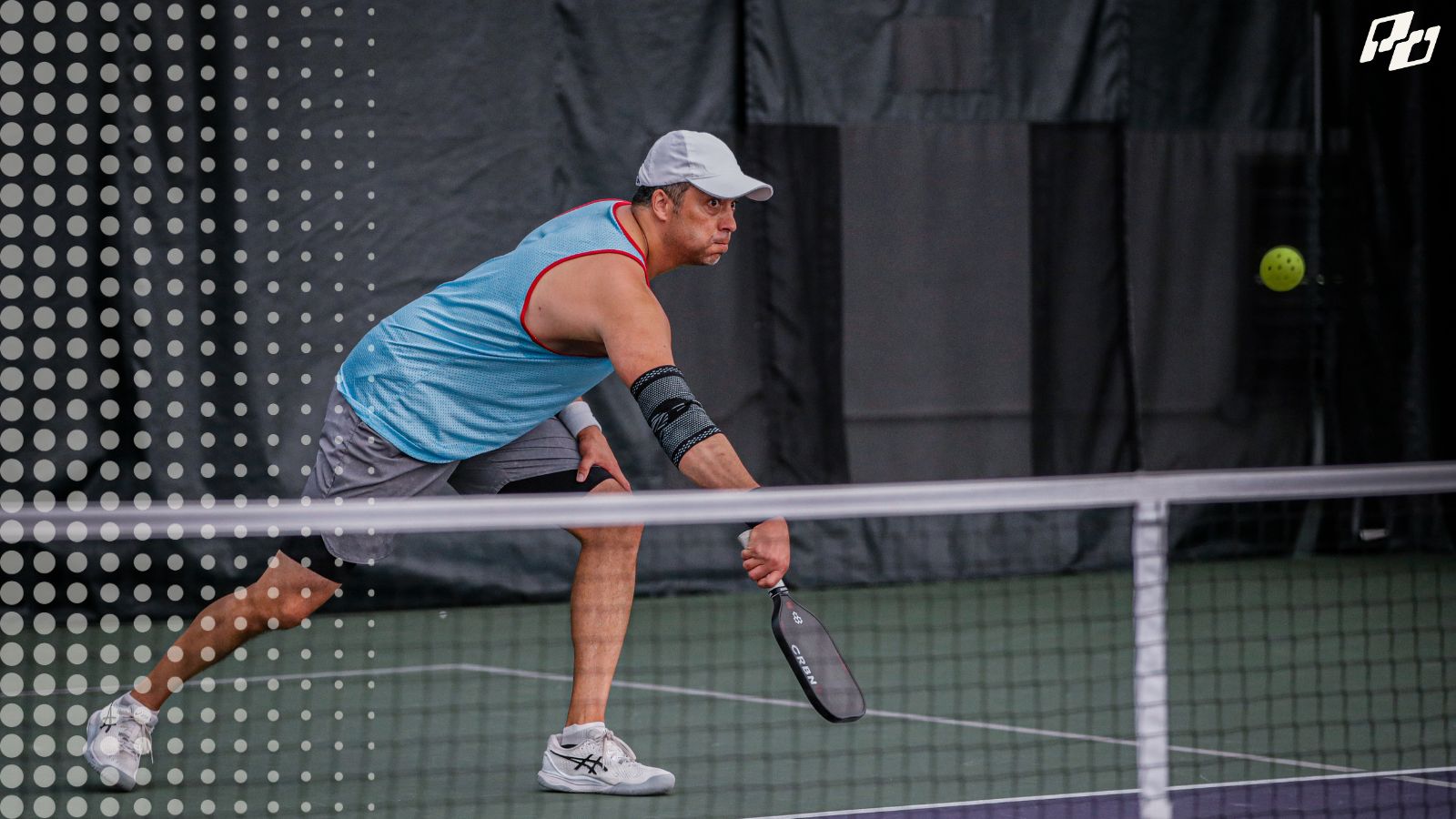
How to Hit a Pickleball Half-Volley When They Attack Your Feet
A pickleball half-volley is best handled by staying low, using a wide base, slightly opening the paddle face, and swinging sharply upward. When opponents attack... Read more.
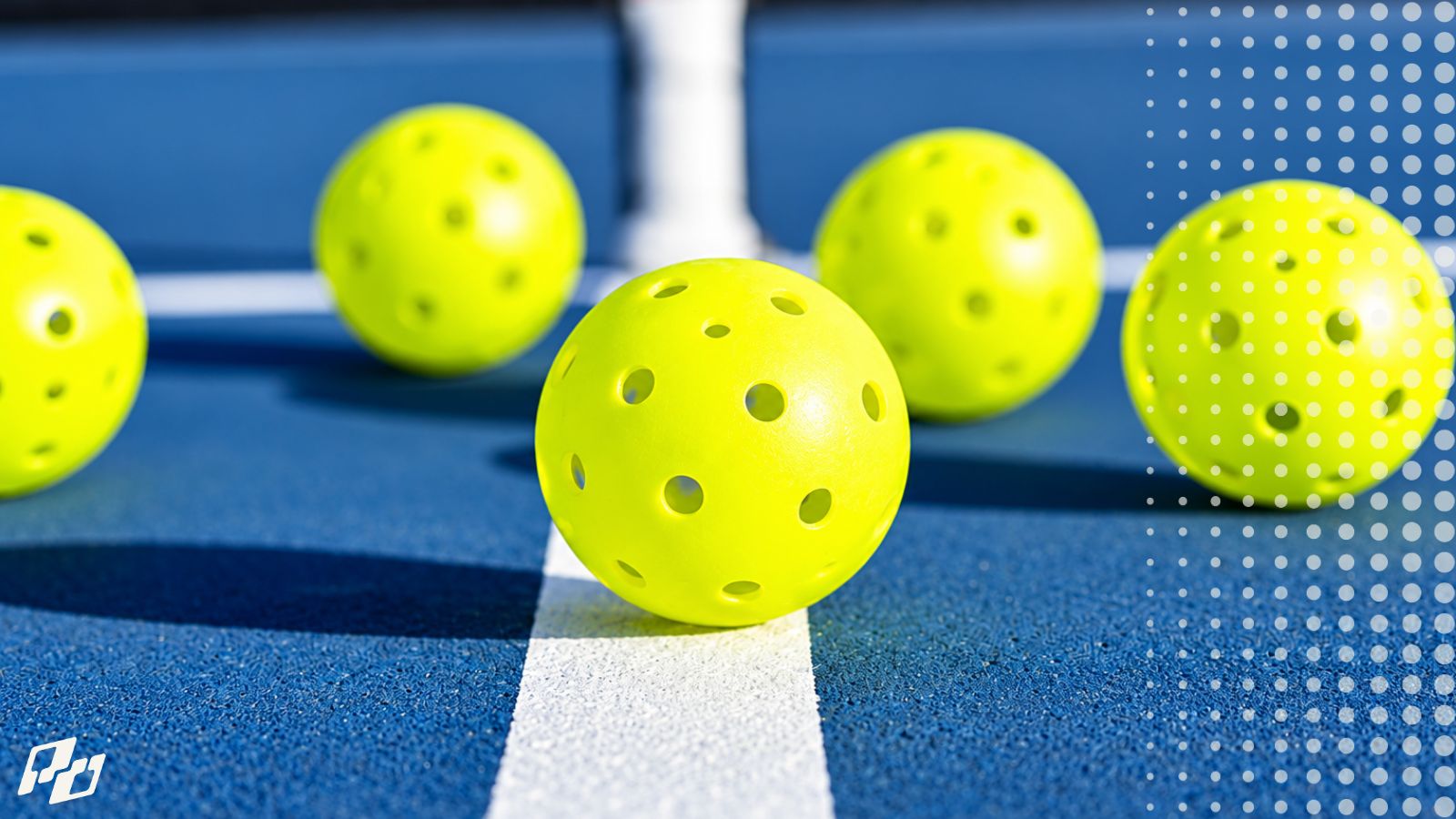
When Should You Throw a Pickleball Away—even If It Isn’t Cracked?
A pickleball can be worn out before it cracks. Replace it when it wobbles, loses bounce, feels unusually soft, flies inconsistently, or develops distorted holes... Read more.
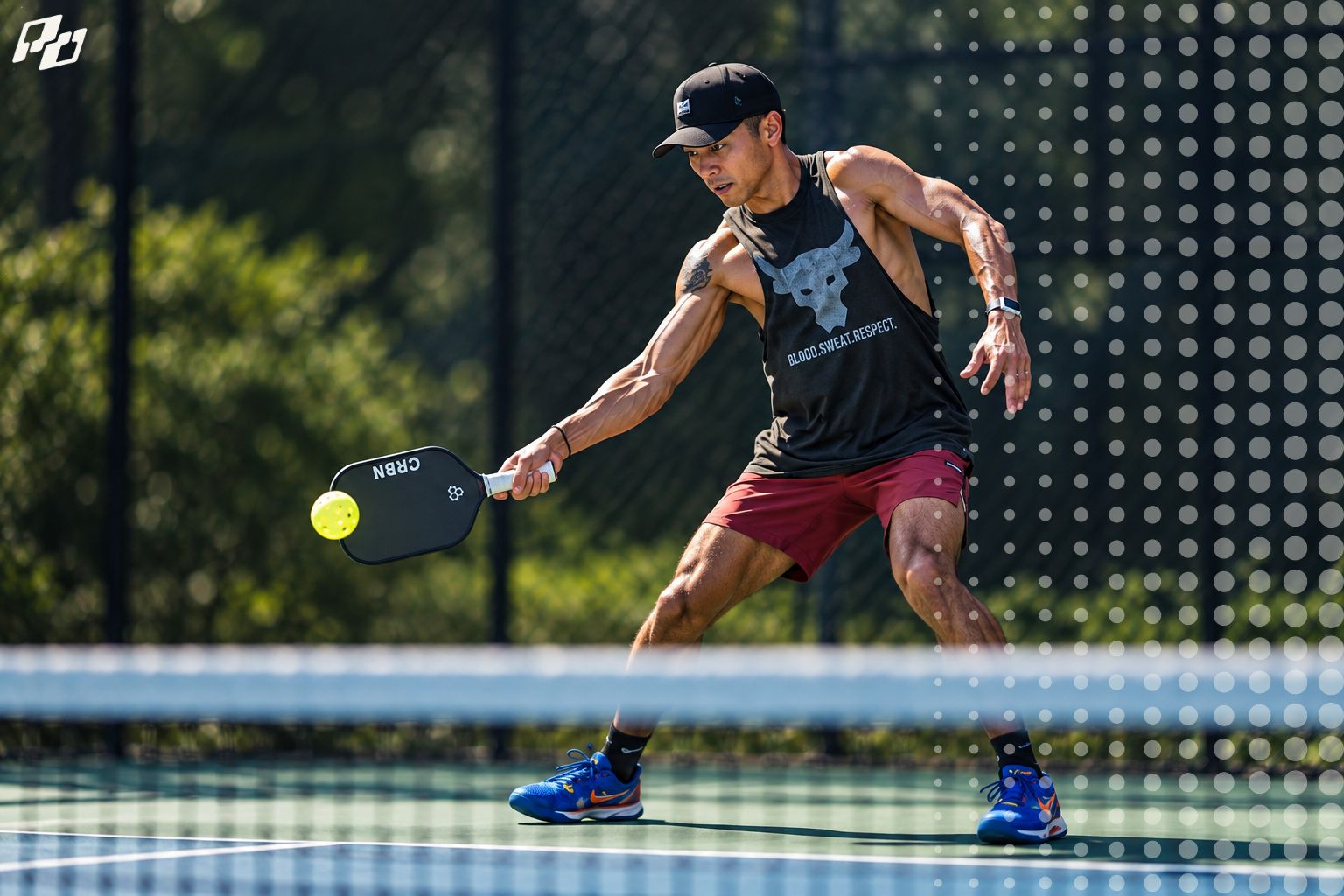
The Return-of-Serve Depth Test: How Deep Is “Deep Enough”?
A good pickleball return doesn’t need to paint the baseline. Aim about 2–3 feet inside it—deep enough to keep the server back, but safe enough to stay consistent.... Read more.
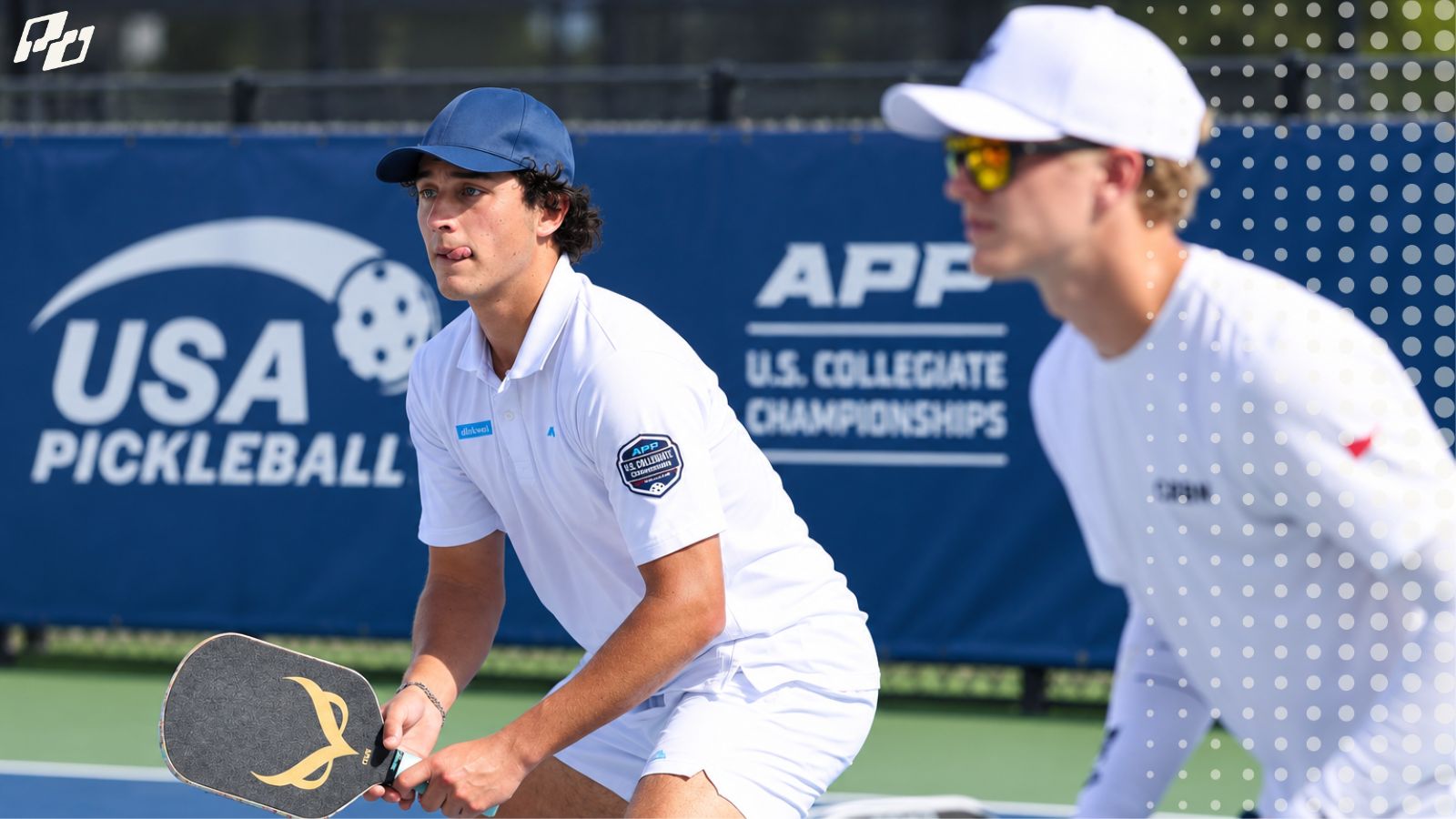
How to Poach, Fake, and Pressure Without Giving Away the Line
In pickleball doubles, you can pressure opponents without touching the ball. Smart middle shading, credible poach threats, and timely fakes can shrink their comfortable... Read more.
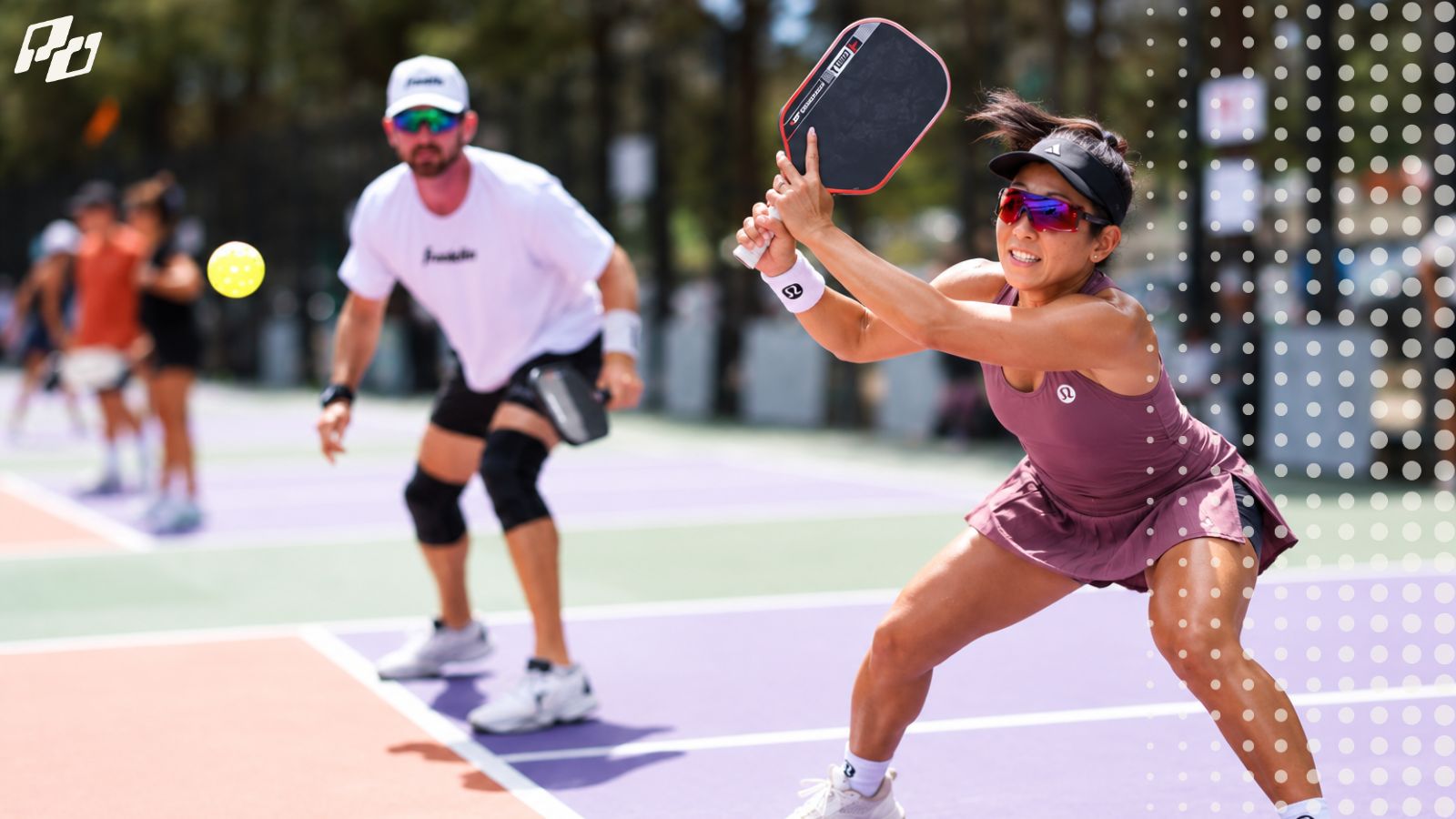
How Hard Should You Actually Hit a Pickleball Speed-Up?
A pickleball speed-up should be hard enough to rush the opponent, but controlled enough that you’re ready for the counter. For many rec players, that often means... Read more.
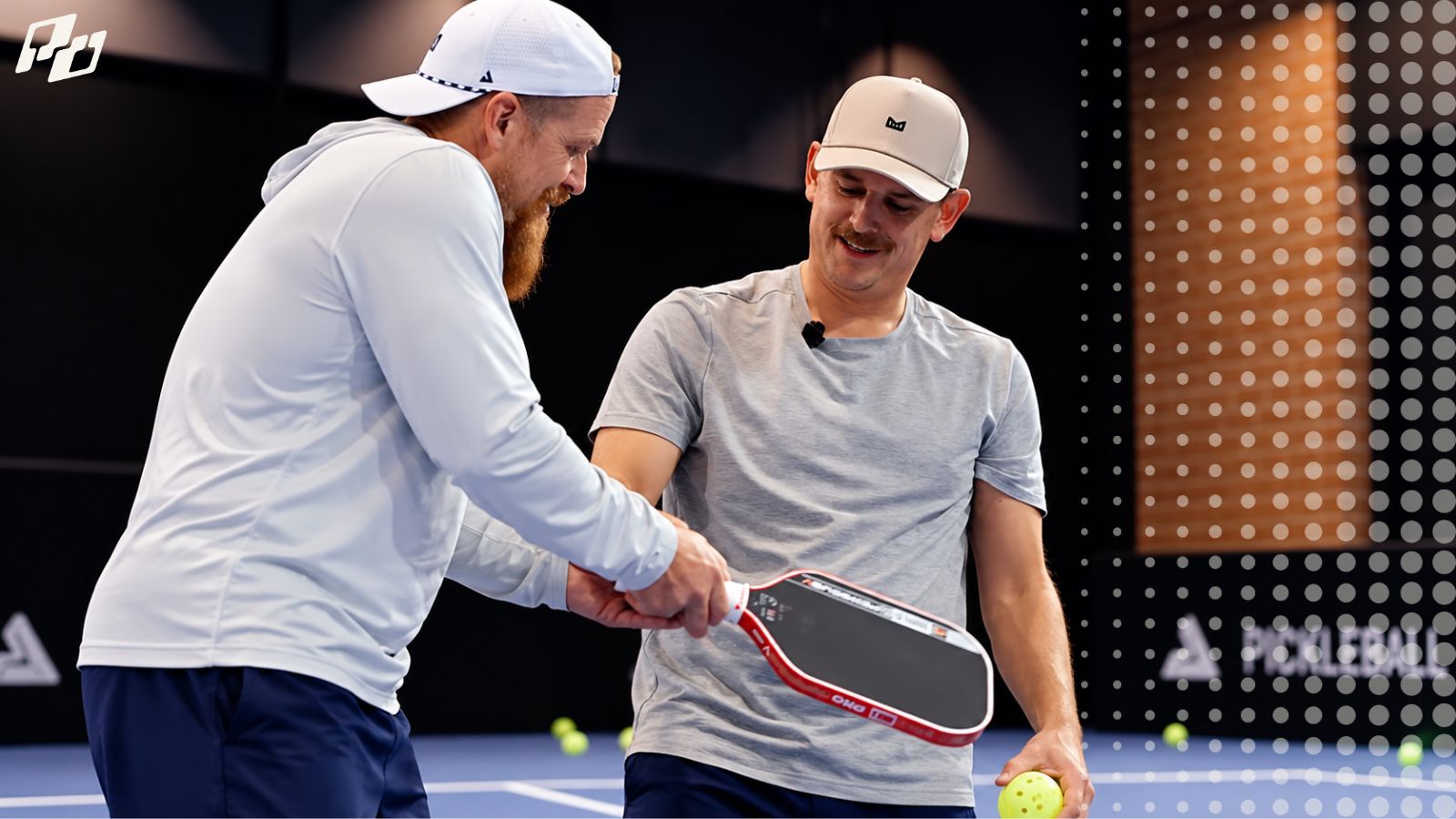
Should You Stick With Your Pickleball Coach—or Find a New One?
A good pickleball coach should identify the real cause of your mistakes, explain the fix clearly, give you specific drills, and help those changes transfer into... Read more.
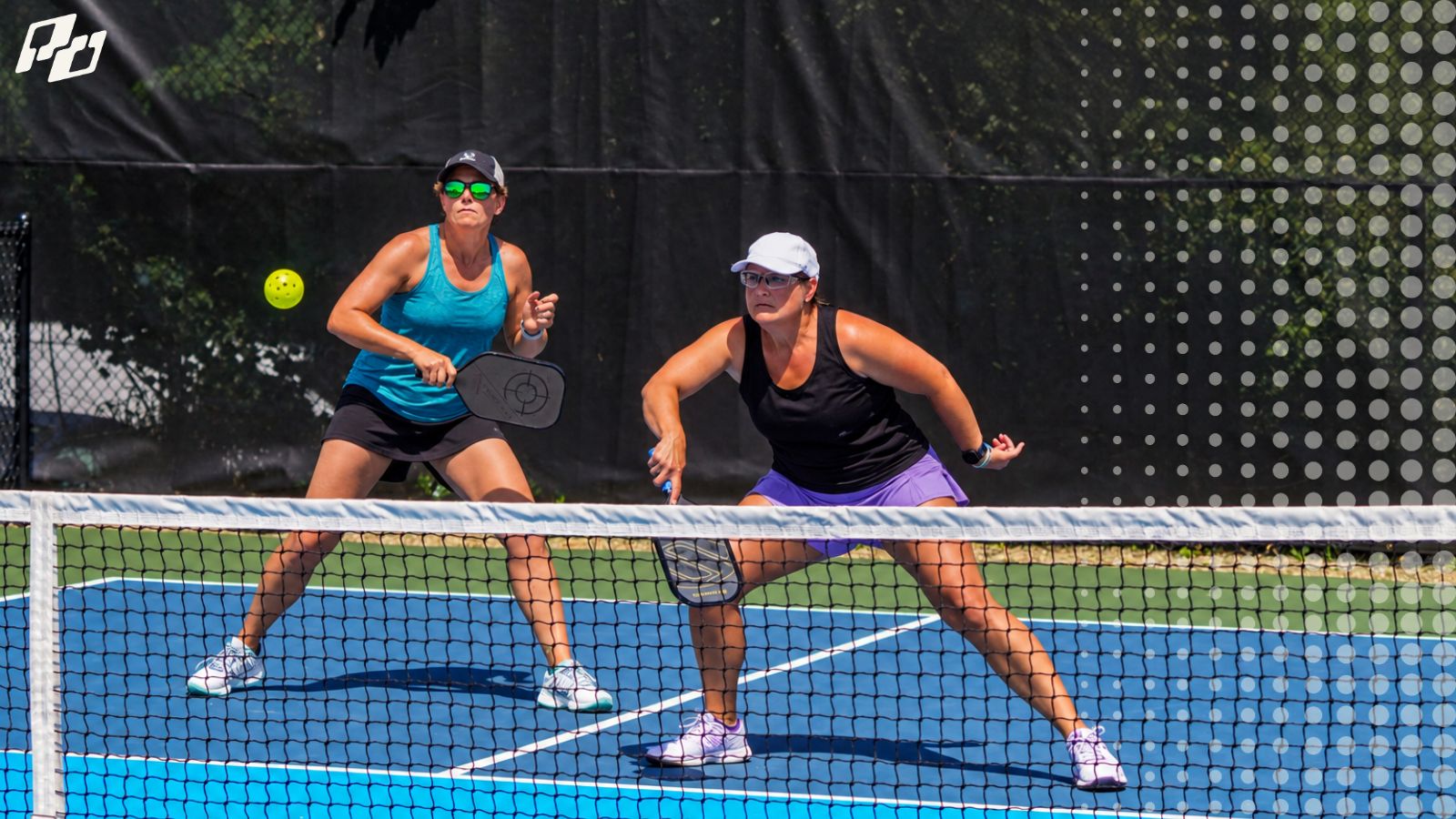
Why You Keep Missing the Middle Ball in Pickleball and How to Fix It
In pickleball, middle-ball misses usually come from late preparation, poor spacing, oversized swings, or unclear partner responsibility—not slow reflexes. Face... Read more.
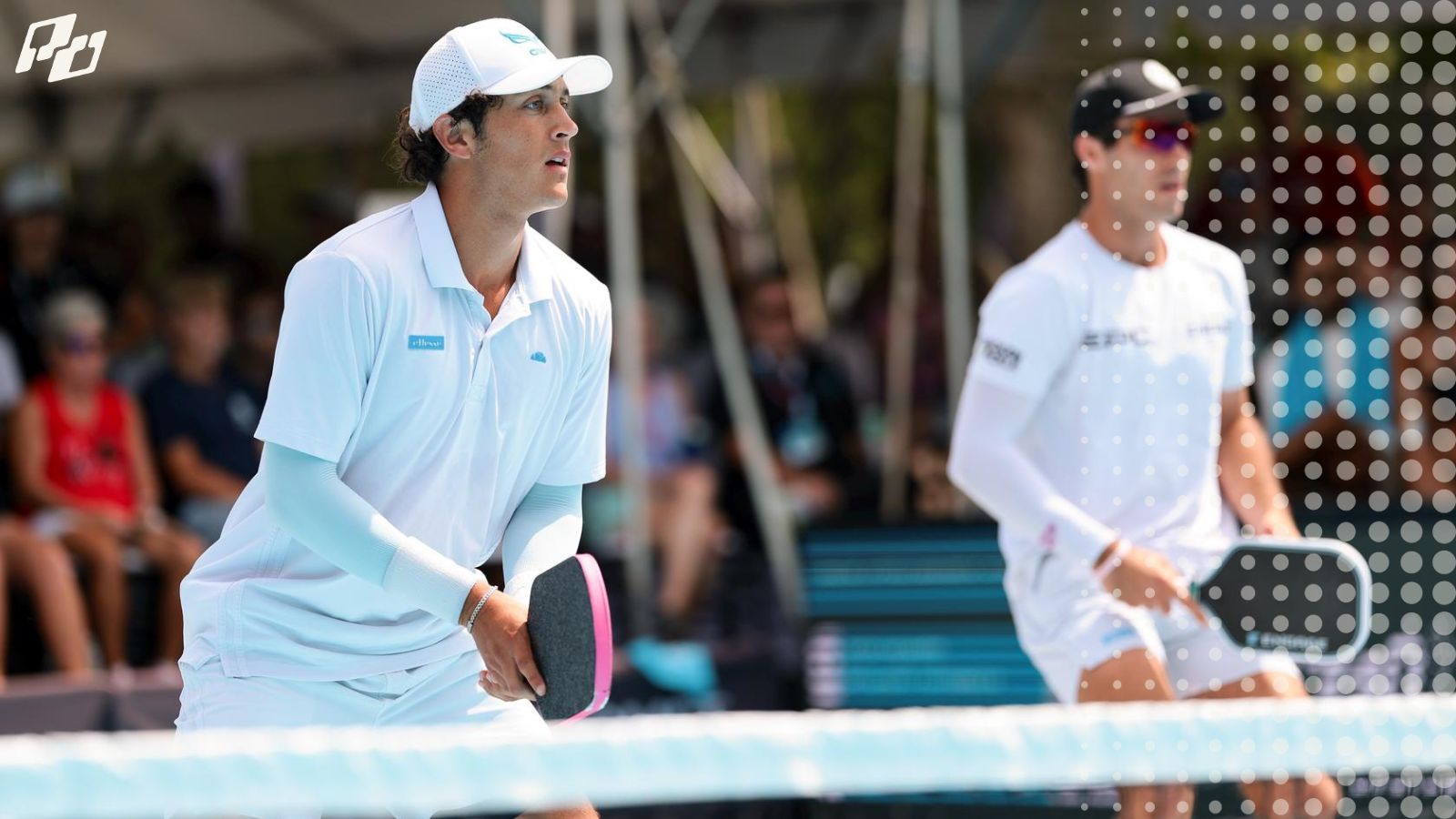
The Secret to High-Percentage Aggressive Pickleball
Aggressive pickleball is about creating the right ball, not forcing the attack. Look for good spacing, forward balance, enough time, and a vulnerable target. Smart... Read more.
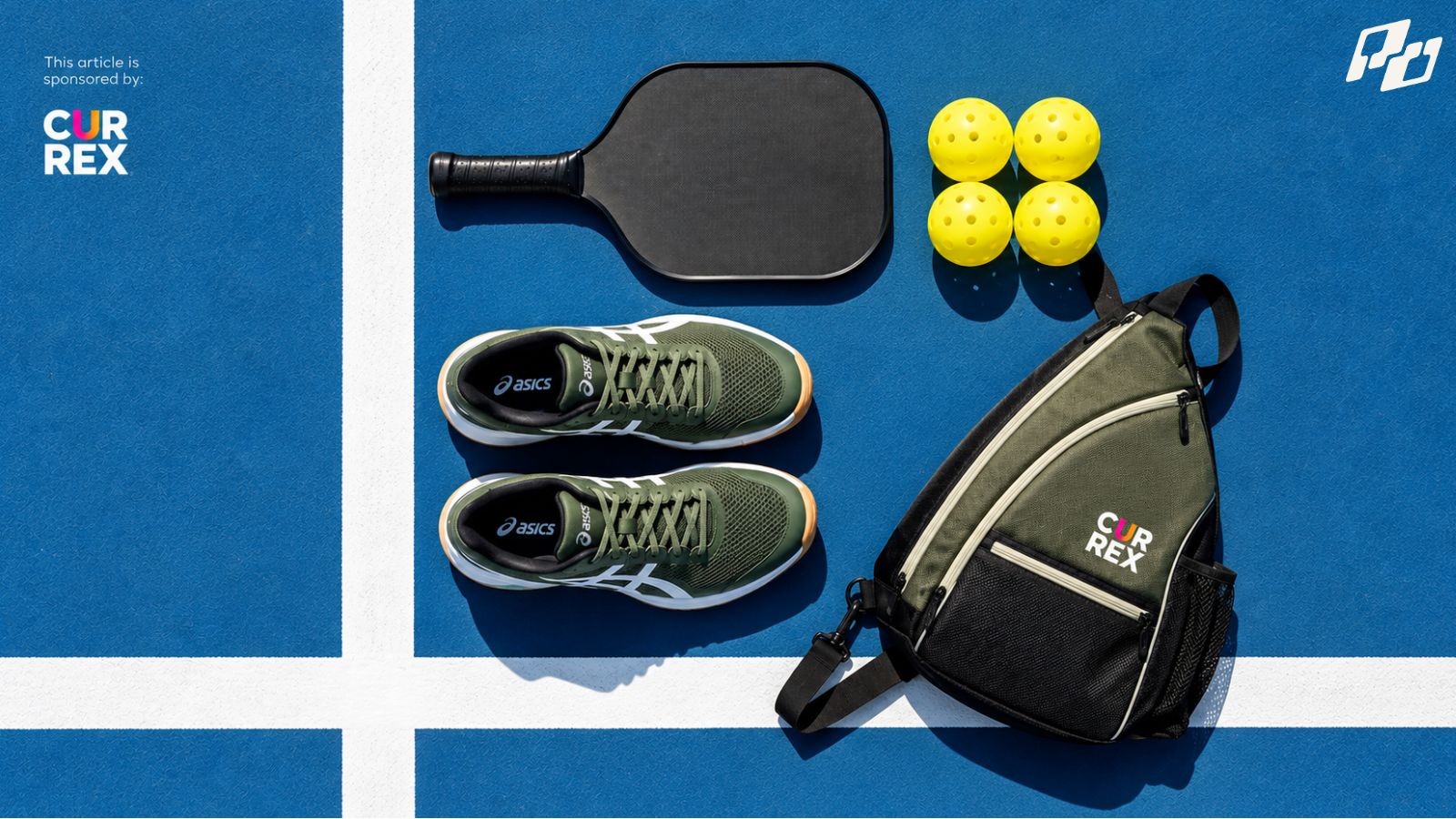
The “Pickleball Tax”: Do You Really Need Pickleball-Specific Gear?
Pickleball Union earns a commission on purchases made through links in this article, at no extra cost to you. Our reviews are editorially independent – brands... Read more.
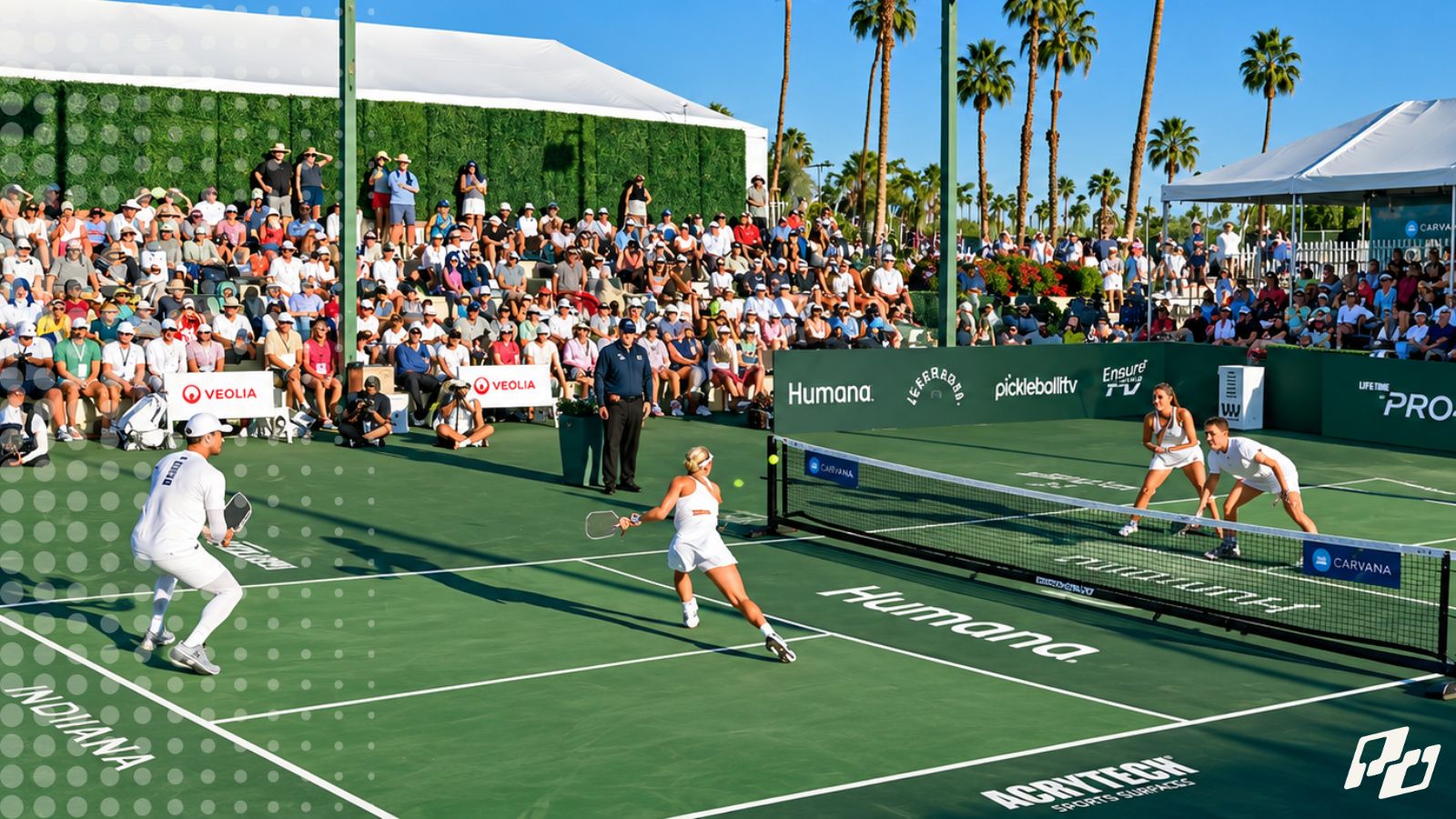
The Opposite-Side Speed-Up: Does Anna Leigh Waters’ Pickleball Trick Really Work?
In pickleball doubles, don’t automatically speed the ball up where the dink came from. Read how the dink shifted the defense, then attack the exposed hip, seam,... Read more.