

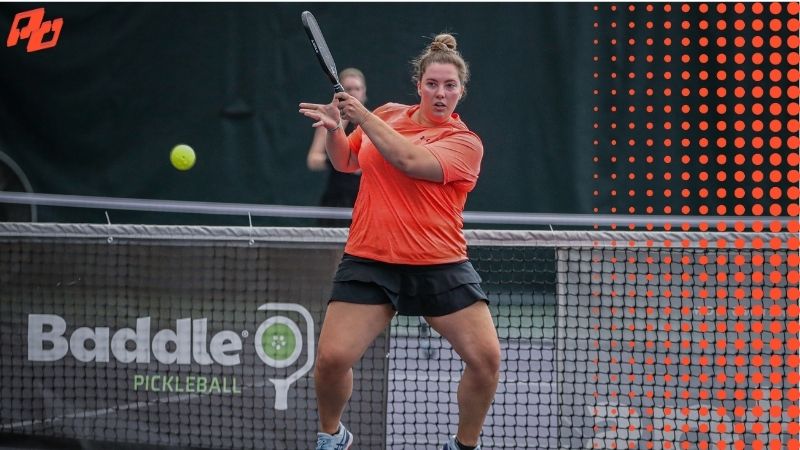
Plateau Panic Is Real: Why Pickleball Improvement Suddenly Slows—and How Long 3.0 to 4.0 Really Takes
A pickleball plateau is normal, especially around 3.5. Reaching 4.0 usually requires less casual play and more focused drilling, better shot selection, fewer errors,... Read more.
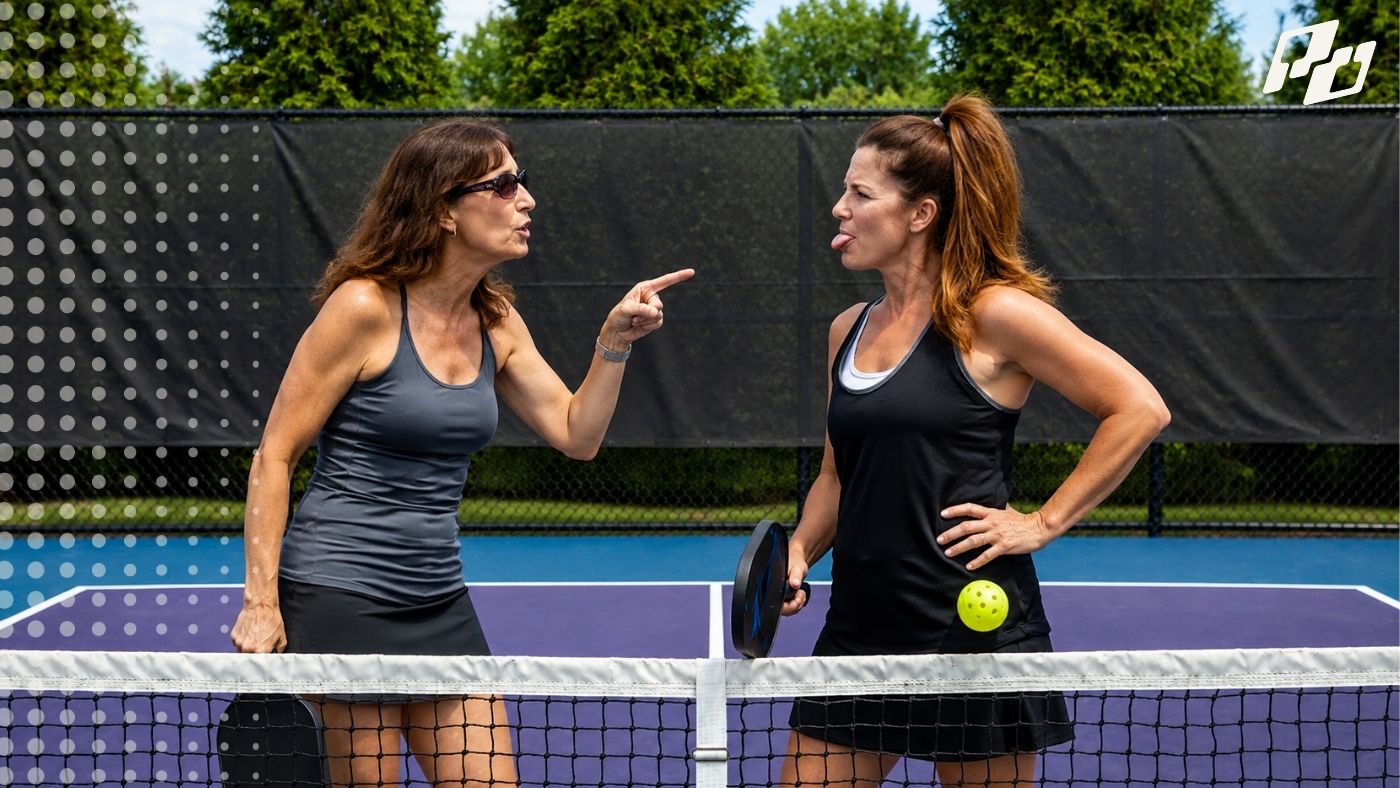
Great Player, Bad Attitude—or Average Player You Actually Enjoy? The Rec Pickleball Question That Reveals a Lot
Rec pickleball players generally value attitude as much as skill. Playful trash talk can add fun when everyone enjoys it, but repeated heckling, criticism, or distracting... Read more.
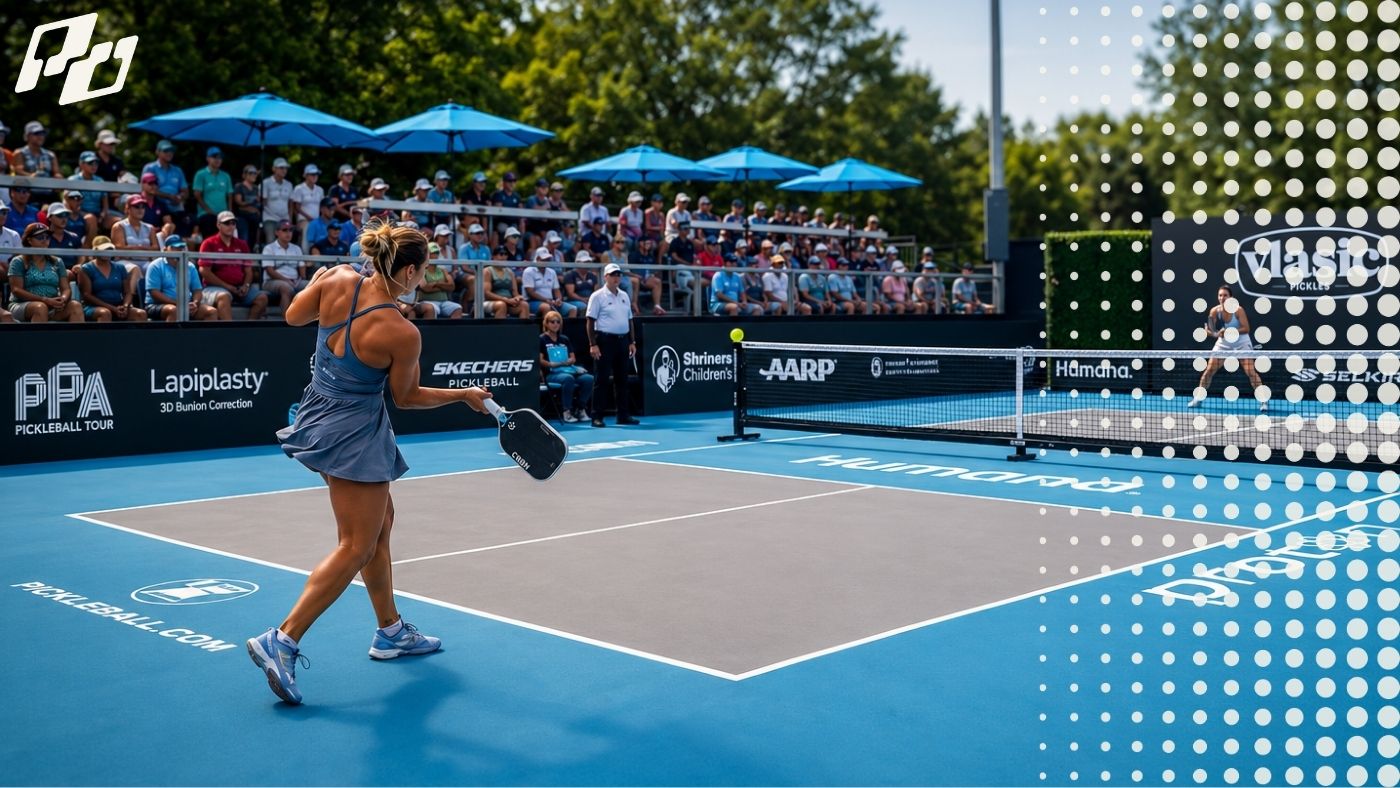
The Serve Adjustment Better Players Use for More Control—and When You Shouldn’t Copy It
On a pickleball serve, shift your weight forward toward the target to add power without overusing the arm. More advanced players with enough pace can reduce that... Read more.
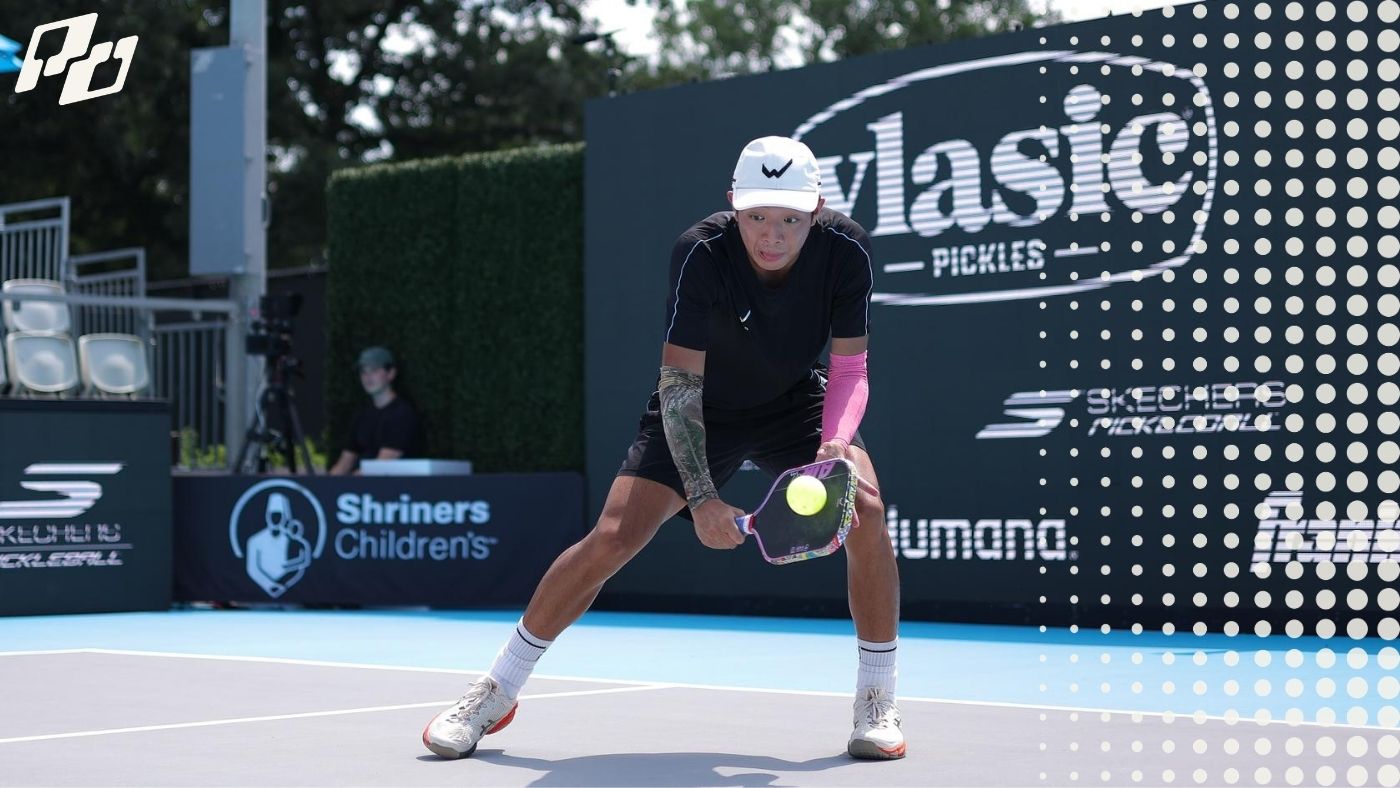
All 4.0+ Players Do This One Thing: They Move Their Body to the Ball
4.0+ pickleball players move their body into position instead of reaching for dinks. They read the ball early, use small adjustment steps, create proper spacing,... Read more.
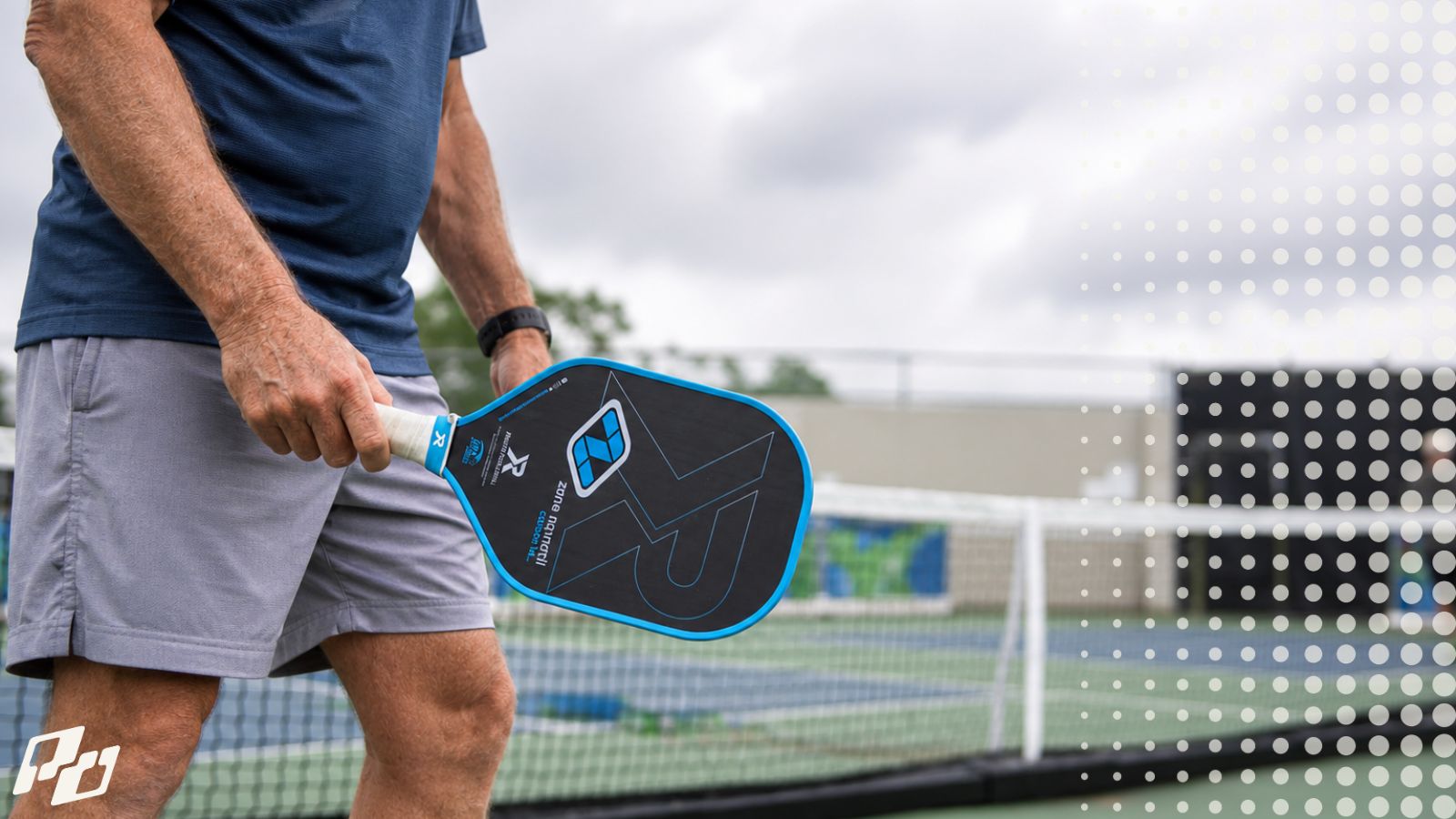
When Is Your Pickleball Paddle Actually Holding You Back?
A pickleball paddle may be holding you back if it consistently slows your hands, feels unstable on mishits, gives you too much or too little power, limits spin,... Read more.
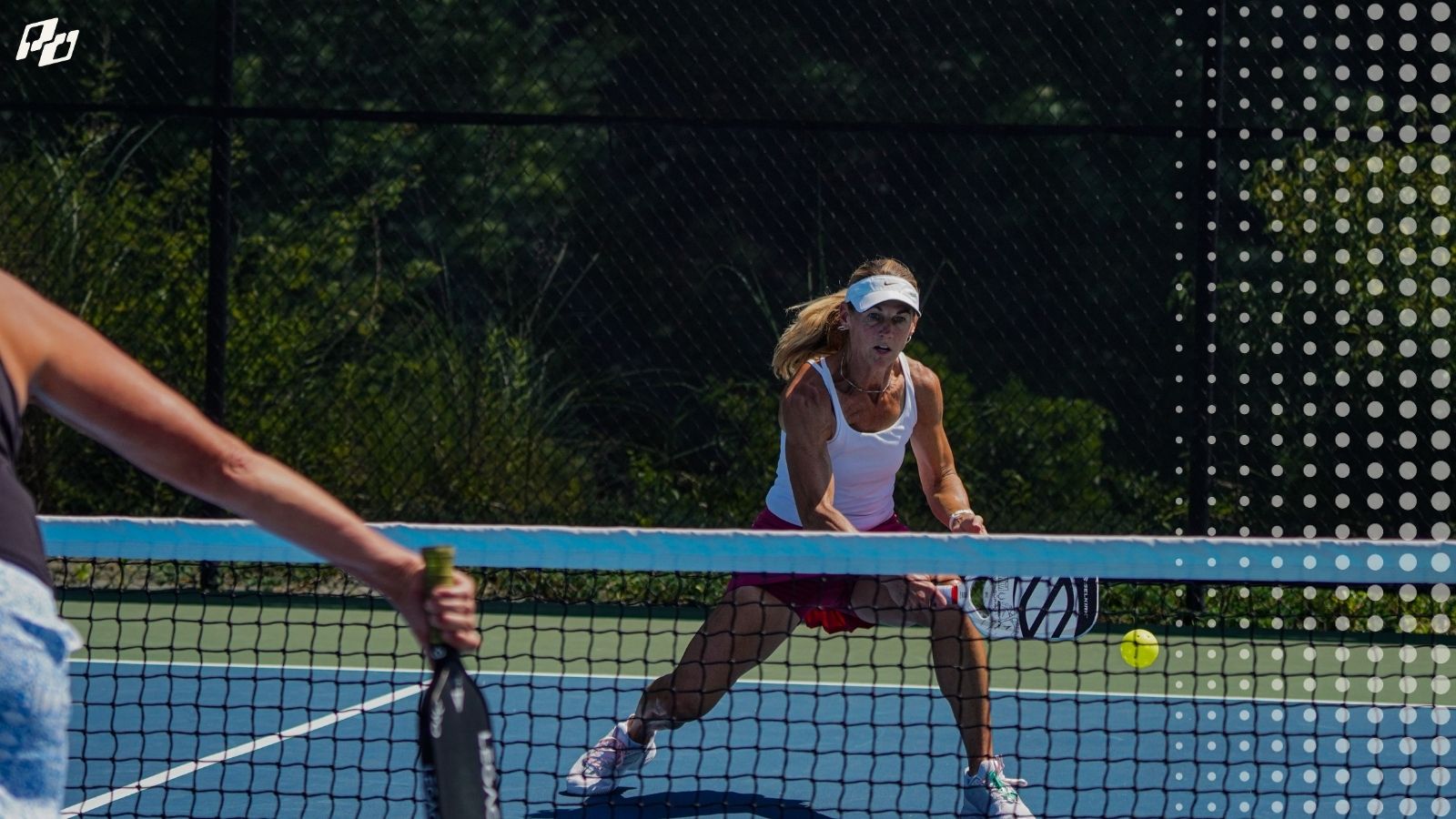
The Inside-Foot Backhand Speed-Up: Why This Awkward Ball Can Be a Great Attack
An inside-foot backhand speed-up works best when the ball sits high enough, you’re balanced, and your opponent is shading or protecting one side. Disguise it like... Read more.
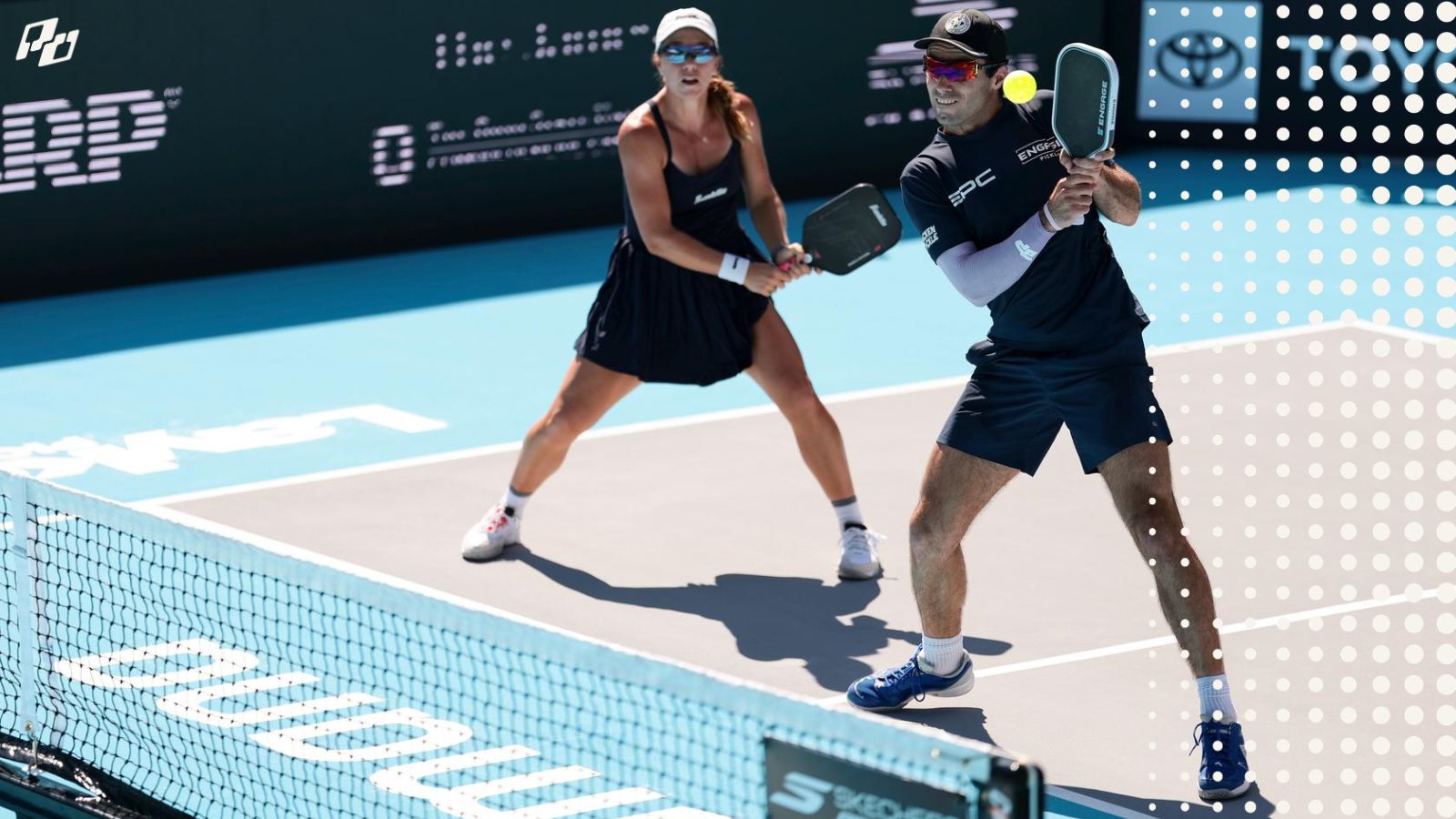
The Two-Handed Backhand Putaway: The High Ball More Rec Players Should Finish
A two-handed backhand putaway is ideal for high balls outside your backhand shoulder. Turn your hips and shoulders, create space, let the non-dominant hand help... Read more.
What Creatine Can—and Can’t—Do for Older Pickleball Players
Creatine may help older pickleball players maintain strength, lean muscle, and repeated high-intensity performance, especially when combined with resistance training.... Read more.
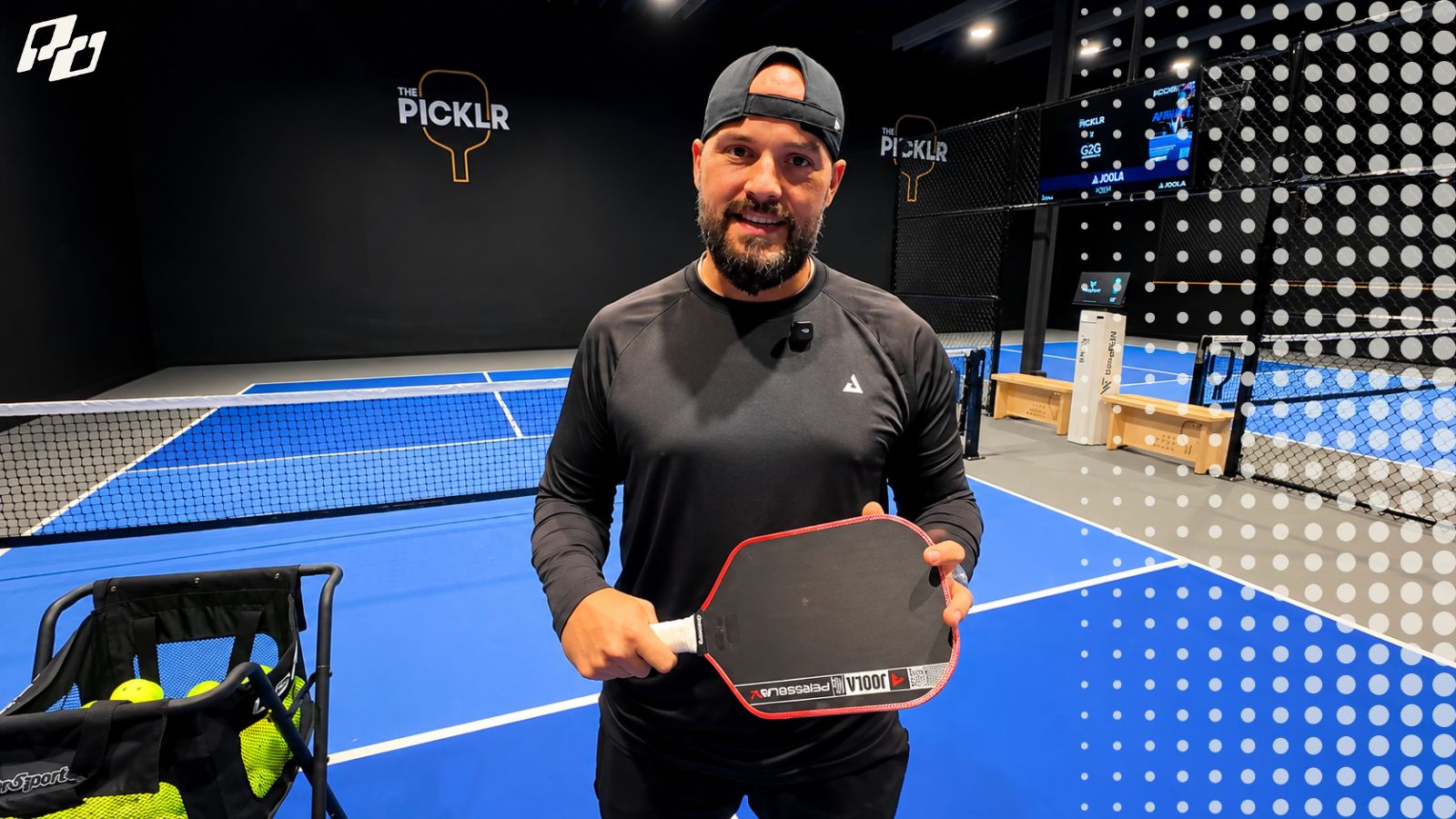
What Pickleball Coaches Really Want You to Do If You Want to Get Past 4.0
To reach 4.0 in pickleball, coaches want more than better shots: deep serves and returns, cleaner spacing, earlier contact, smarter shot selection, disciplined transition... Read more.
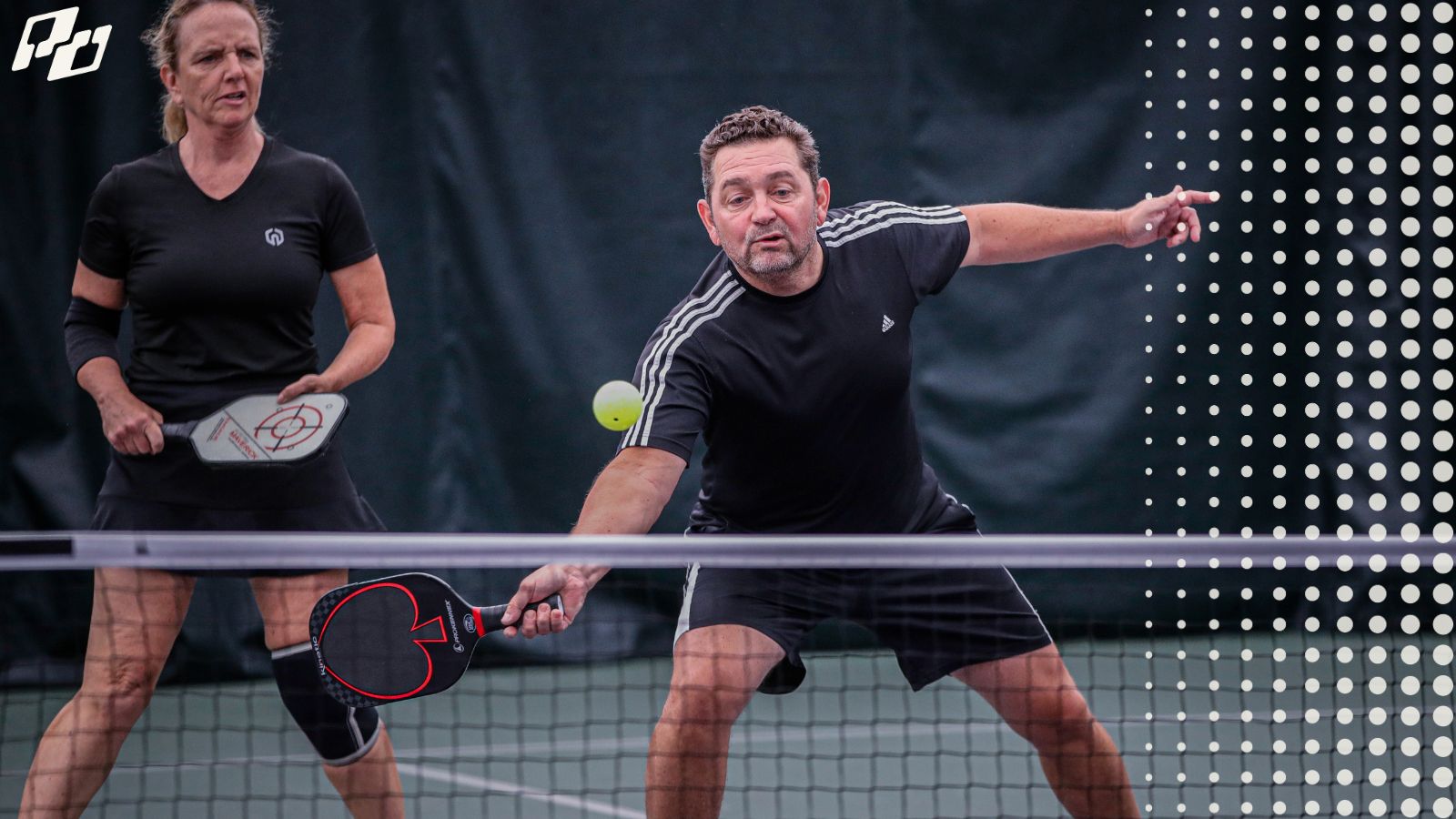
How to Back Up Correctly for an Inside-Foot Dink
To handle an inside-foot dink, create space with a small drop step instead of reaching. Stabilize before contact, use a compact swing, then recover forward to the... Read more.