There’s a specific kind of frustration that happens on Day 2.
You didn’t get injured yesterday.
You’re not dramatically sore.
But something feels… slightly off.
Your counters are a fraction late.
Your drops land a few inches high.
Your legs feel “fine,” but not explosive.
And you start wondering: “Am I just getting older?”
Probably not.
What you’re feeling is cumulative fatigue — and it doesn’t show up the way most recreational players expect.
Let’s break down what’s actually happening — and how to stay sharp across multiple consecutive days of play.
Why Day 2 Feels Slower (Even When You’re Not Sore)
Most players assume pickleball soreness equals fatigue. But soreness is muscle damage. Performance drop — especially in pickleball — is often neurological.
Pickleball demands repeated short bursts: quick accelerations, abrupt stops, constant lateral movement, fast hand exchanges, rotational swings under grip tension. Even a “casual” two-hour session taxes your nervous system.
Research from intermittent court sports shows something important: reaction time and fine motor control decline before raw strength does.
That’s why:
- Your legs feel okay…
- But your timing feels off.
- Your dinks disappear before your drives do.
Neural fatigue affects:
- Paddle face stability
- Contact precision
- Decision speed
- Hand speed in firefights
You’re not weaker. You’re slightly under-recovered.
And for 40+ players especially, recovery windows lengthen because connective tissue repair and hormonal response slow with age. That doesn’t mean you can’t play consecutive days. It means you need to manage it.
That’s your nervous system whispering, “I need recovery.”
The 24-Hour Reset: What You Do After Day 1 Matters More Than Day 2
If you want to feel sharp tomorrow, recovery starts immediately after you leave the court.
Most rec players either collapse on the couch or jump into life stress mode. Neither actively supports recovery.
Let’s tighten this up.
Refueling Isn’t About Calories — It’s About Restoration
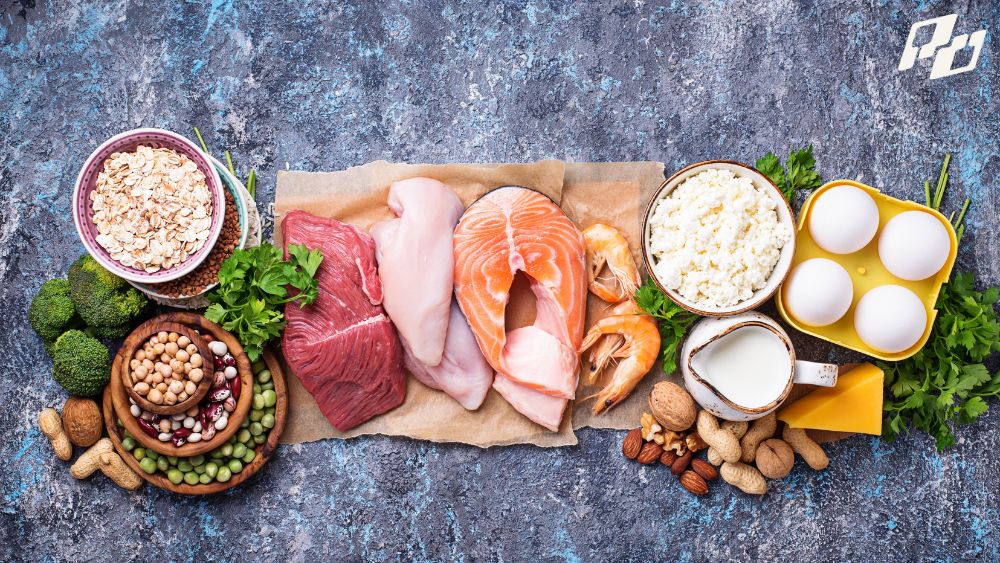
After two hours of pickleball, your muscles have burned through glycogen — the stored fuel used for repeated bursts. When glycogen stays low:
- Perceived effort increases
- Reaction time slows
- Coordination subtly declines
That “flat” Day 2 feeling is often fuel-related.
Within 60 minutes of finishing:
- Eat protein (20–30g) to support tissue repair (e.g., Greek yogurt, eggs, protein shake, chicken)
- Eat carbohydrates to restore fuel (e.g., rice, potatoes, fruit, oatmeal, whole-grain toast)
- Rehydrate with fluids that include sodium (e.g., electrolyte mix, sports drink, coconut water + pinch of salt)
This isn’t elite athlete talk. It’s basic physiology.
Something as simple as Greek yogurt and fruit, eggs and toast, or chicken and rice makes a measurable difference compared to “I’ll just eat dinner later.”
Timing matters.
Movement Beats Static Stretching
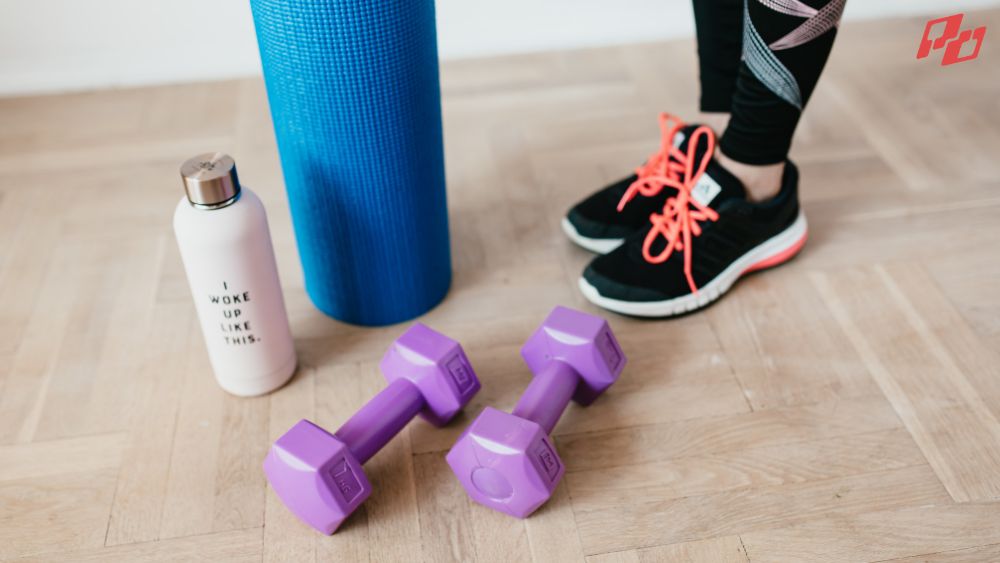
A lot of players finish and immediately stretch hard. That’s not necessarily wrong — but it’s incomplete.
What actually accelerates recovery is circulation.
Later that day, a light walk, gentle cycling, or easy mobility work increases blood flow and reduces stiffness without adding stress.
Think of it as nudging your system back toward balance.
Aggressive massage or deep stretching immediately after play can sometimes increase inflammation. Keep recovery work light and rhythmic.
Flush, don’t grind.
Sleep: The Most Underrated Performance Tool in Rec Pickleball
Most recovery hormones peak during deep sleep. Growth hormone release, tissue repair, neural recalibration — all happen at night.
Sleep restriction studies consistently show:
- Slower reaction time
- Reduced accuracy
- Higher perceived fatigue
- Increased injury risk
If you’re stacking multiple play days, sleep becomes your competitive advantage.
Dark room. Cool temperature. No screens late. Consistency.
Recovery wins weekends.
Why Your Warm-Up on Day 2 Needs to Be Different
Day 1 warm-ups loosen muscles.
Day 2 warm-ups restore coordination.
Your nervous system is slightly dulled. If you jump straight into hard drives, you’ll mistime contact early and feel “off” all session.
Instead, gradually build intensity:
- Controlled lateral shuffles
- Light volleys to wake up hands
- Shoulder activation movements
- A few progressive acceleration steps
You’re reactivating rhythm, not just warming tissue.
Those first 10–15 intentional minutes determine whether you feel sharp or sluggish.
How to Adjust Your Game When You’re Not 100%
This is where smart recreational players separate from stubborn ones. Fatigue magnifies inefficiency.
If you feel 90%, don’t try to play 110%.
Play smarter.
Shrink the Swing
Large backswings require precision. Under fatigue, precision drops. On back-to-back days:
- Shorten your backswing
- Keep contact slightly more in front
- Use shoulder and core, not wrist flicks
Compact mechanics survive fatigue.
Big swings don’t.
Reduce Emergency Contact
When tired, your feet get lazy before you realize it. You reach instead of adjusting.
That leads to:
- Lower contact height
- More paddle face manipulation
- More vibration
- More error
Make this your Day 2 rule: move first. Swing second.
One small shuffle often fixes three problems.
Widen Your Targets
This is one of the most underused adjustments. When coordination dips slightly, margins shrink.
Instead of threading the sideline:
- Aim more middle
- Increase net clearance
- Favor crosscourt arcs
You’re not playing safe. You’re playing percentage.
High-level players widen targets when fatigued. Rec players often double down on low-margin shots and blame their paddle.
Shorten Points Intentionally
Long neutral rallies amplify fatigue.
On Day 2, look to:
- Take balls earlier in the air
- Apply controlled pressure
- Finish transition opportunities
Not reckless. Efficient.
What Changes From Day 1 to Day 3?
Here’s how cumulative fatigue typically shows up:
| Day | What You Feel | What’s Actually Fatigued | Smart Adjustment |
|---|---|---|---|
| Day 1 | Strong, sharp | Minimal fatigue | Play normal game |
| Day 2 | Slightly late hands, flat touch | Nervous system, glycogen | Shorter swings, wider targets |
| Day 3 | Heavier legs, joint tightness | Tendons, connective tissue | More resets, less power, manage load |
By Day 3, tendon and joint load become more relevant than muscle fatigue. Elbows, Achilles, knees, and shoulders feel cumulative stress.
This is where overuse injuries happen — not from one swing, but from repetition without adjustment.
You can still win on Day 3.
But it’s usually with placement, patience, and smarter shot selection — not max velocity.
The Energy Budget Concept
Think of your body like a battery.
Day 1 drains it.
Day 2 starts partially charged.
Day 3 requires efficiency.
If you waste energy chasing low-percentage balls, arguing calls, or swinging too big early, you’ll pay later.
Spend energy intentionally:
- At key scores
- During transition battles
- In hands exchanges
Energy management is a skill.That’s strategy.
The Mental Edge Most Players Miss
Here’s the psychological trap: you expect to feel worse on Day 2.
So you interpret small errors as decline.
Instead, shift the mindset: “I’m playing efficient today.”
Many players actually perform better on consecutive days because they rely less on explosiveness and more on anticipation and positioning.
Efficiency beats ego.