
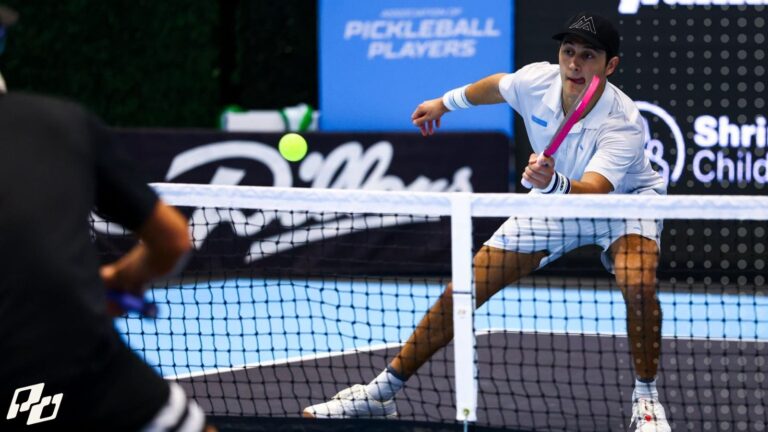
Body speed-ups are easier to defend when you read the attack early, create a little space, and meet the ball…
Get the 5-minute newsletter over 40,000+ of your pickleball friends read every week.

"Y'all have one of the best newsletters in the game!"
- Jack Munro

"Y'all have one of the best newsletters in the game!" - Jack Munro
Body speed-ups are easier to defend when you read the attack early, create a little space, and meet the ball…
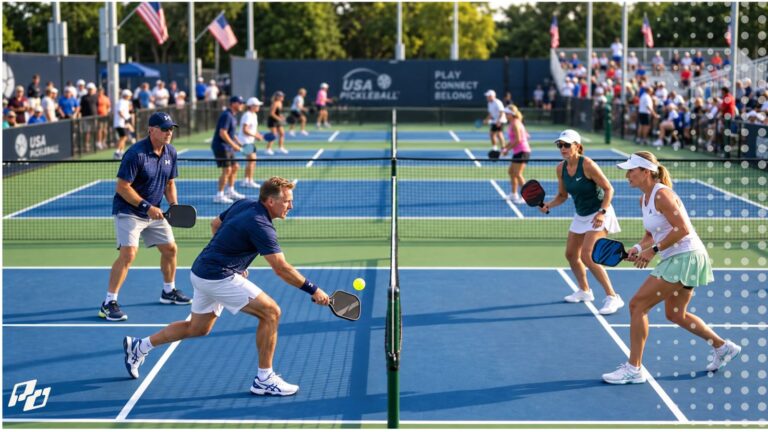
Tournament-ready pickleball means more than playing well at open play. You need a reliable serve and return, repeatable patterns, smart…
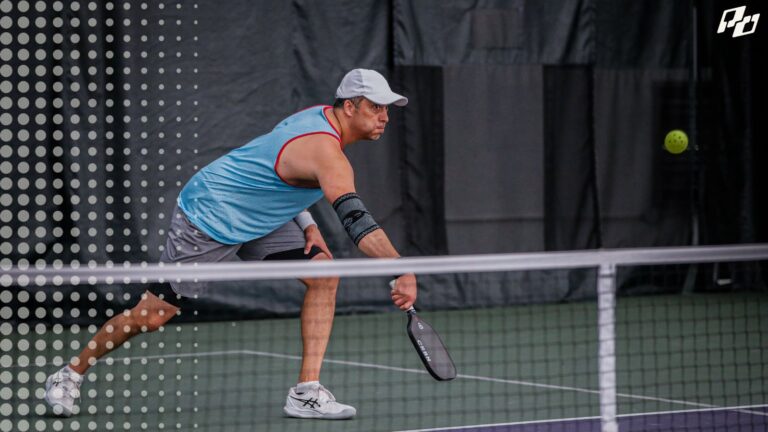
A pickleball half-volley is best handled by staying low, using a wide base, slightly opening the paddle face, and swinging…
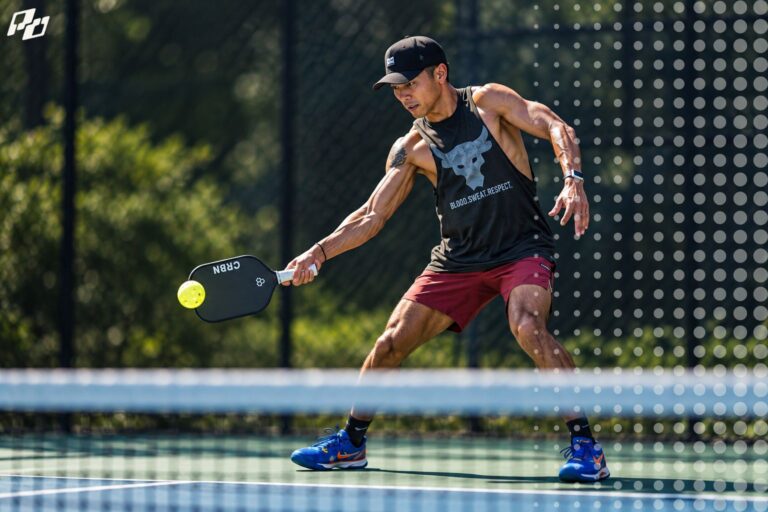
A good pickleball return doesn’t need to paint the baseline. Aim about 2–3 feet inside it—deep enough to keep the…
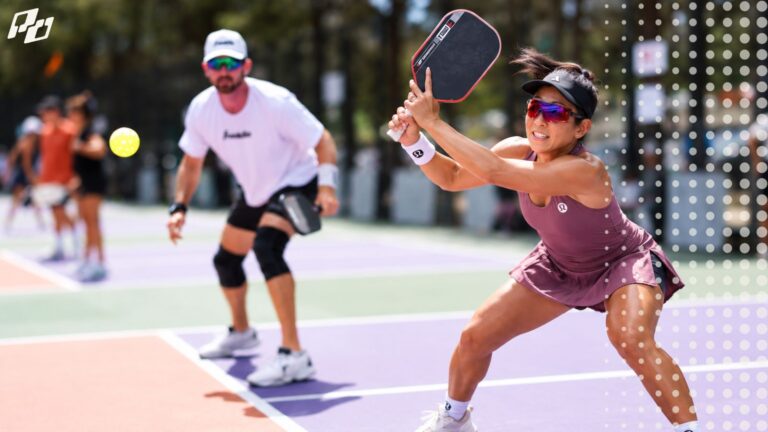
A pickleball speed-up should be hard enough to rush the opponent, but controlled enough that you’re ready for the counter.…
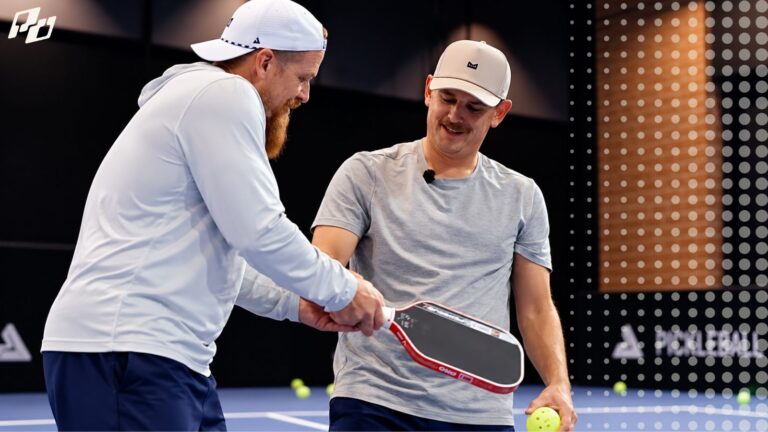
A good pickleball coach should identify the real cause of your mistakes, explain the fix clearly, give you specific drills,…
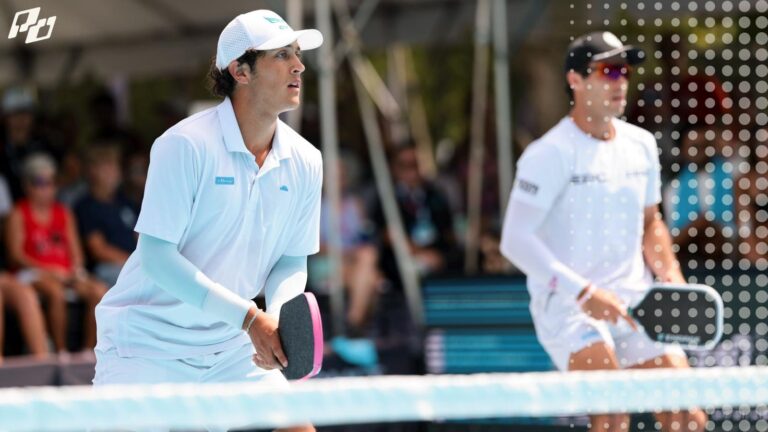
Aggressive pickleball is about creating the right ball, not forcing the attack. Look for good spacing, forward balance, enough time,…
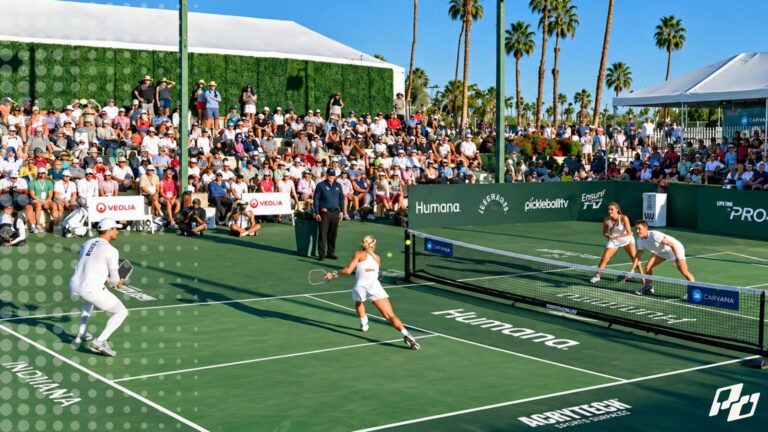
In pickleball doubles, don’t automatically speed the ball up where the dink came from. Read how the dink shifted the…

Pickleball tournament performance often drops because pressure changes mechanics, shot selection, and decision-making. To close the gap, practice under realistic…
To reach 4.0 in pickleball, coaches want more than better shots: deep serves and returns, cleaner spacing, earlier contact, smarter…