

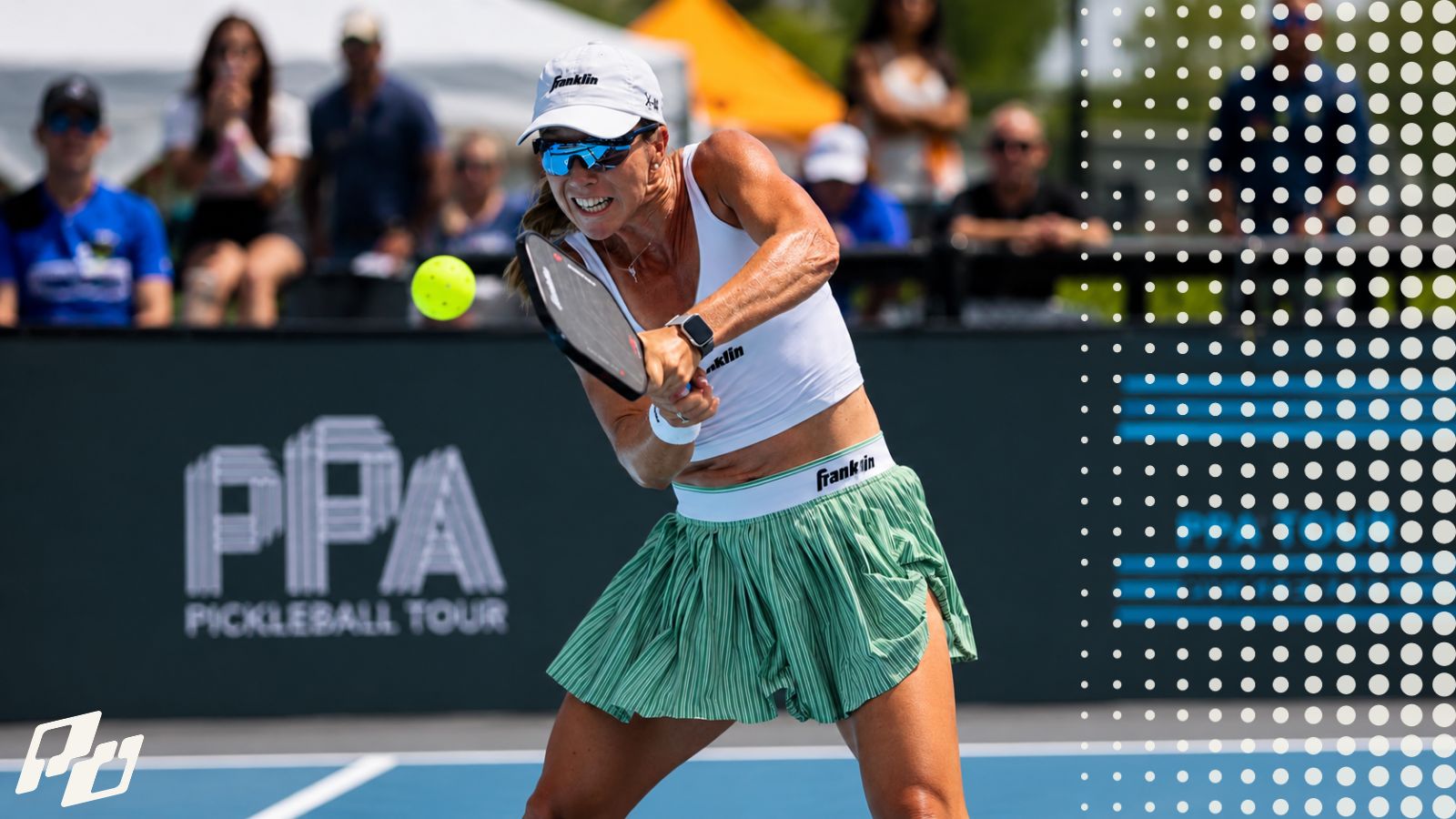
How to Punish Players Who Sit Backhand at the Kitchen
To beat players who sit backhand, stop feeding their paddle with hard, flat speedups. Use a slower, heavier roll into the shoulder or upper-body zone. That higher... Read more.
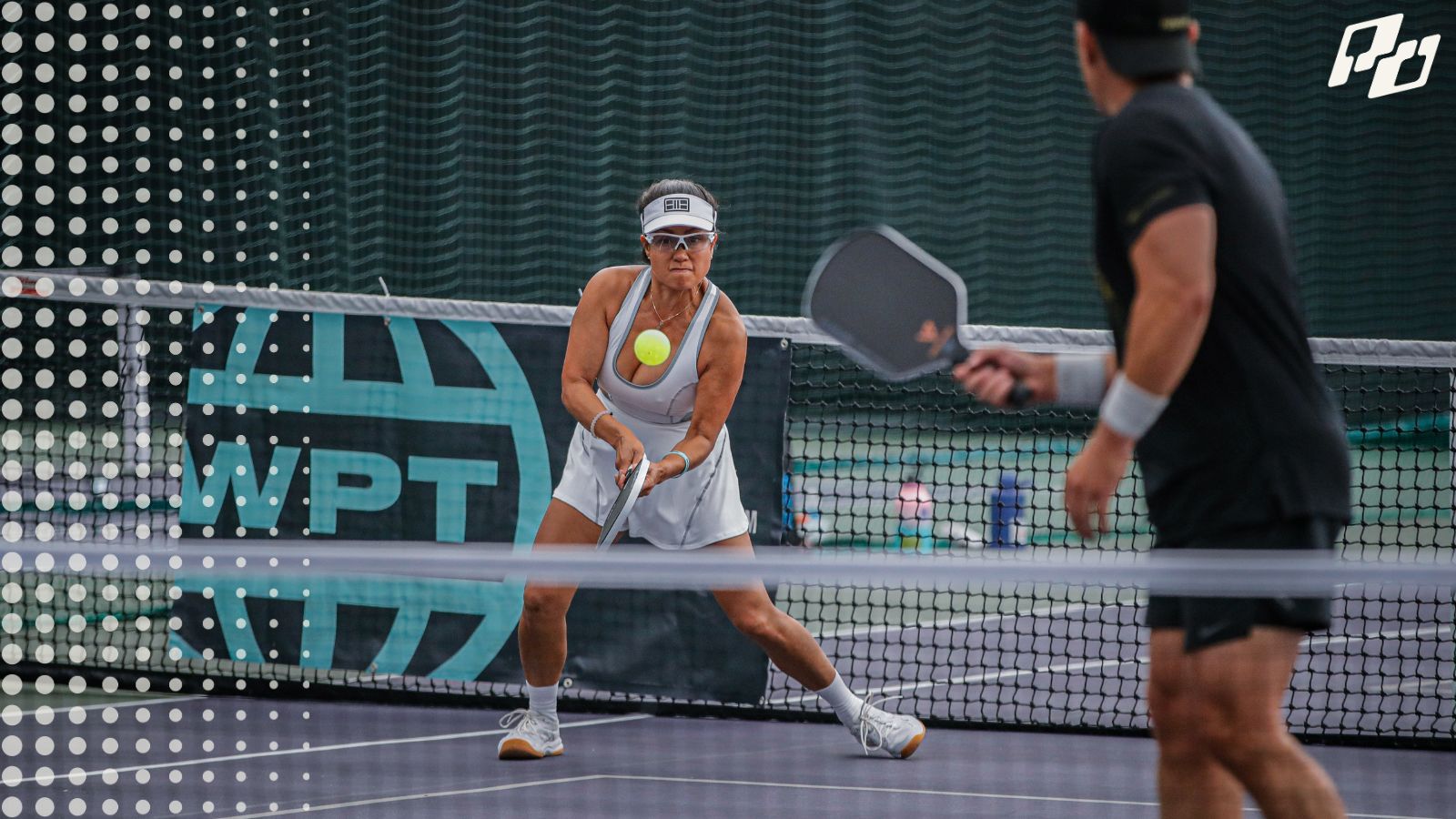
Should You Target Women in Pickleball? The Honest Rec-Player Etiquette Guide
Targeting a weaker player in pickleball is legal strategy, but targeting someone simply because she is a woman is lazy and often rude. In competitive play, target... Read more.
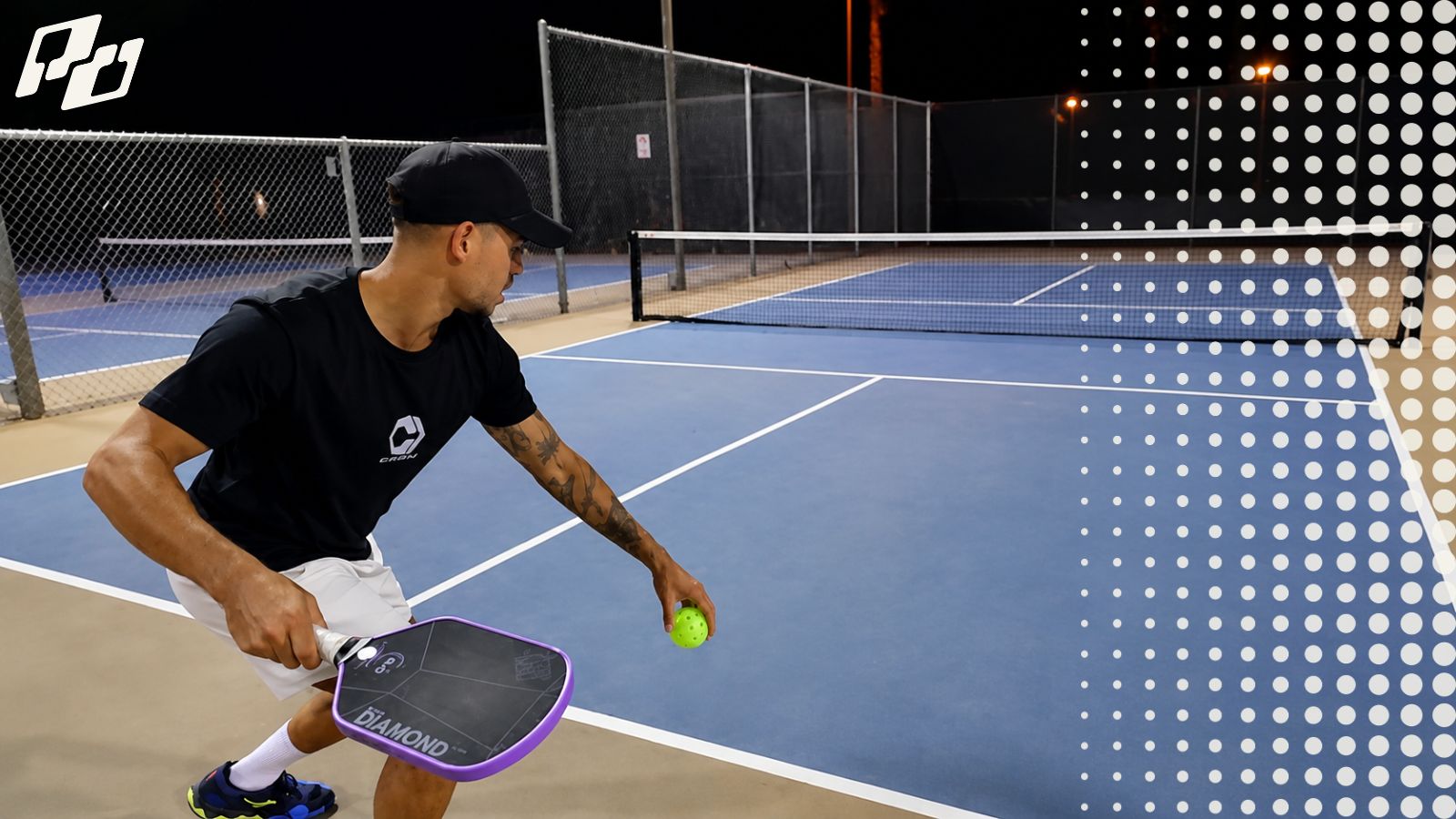
The Swerve Serve in Pickleball: Smart Weapon or Consistency Trap?
A pickleball swerve serve uses sidespin to make the ball bend or kick sideways, often pulling the returner off balance. It can be legal if the spin comes from paddle... Read more.

Clear Skies Hospitality Acquires The Exchange, New Orleans’ Dedicated Pickleball Hub [VIDEO]
New Orleans pickleball just got a bigger connection to one of Chicago’s fastest-growing pickleball lifestyle brands. Clear Skies Hospitality, the company behind... Read more.
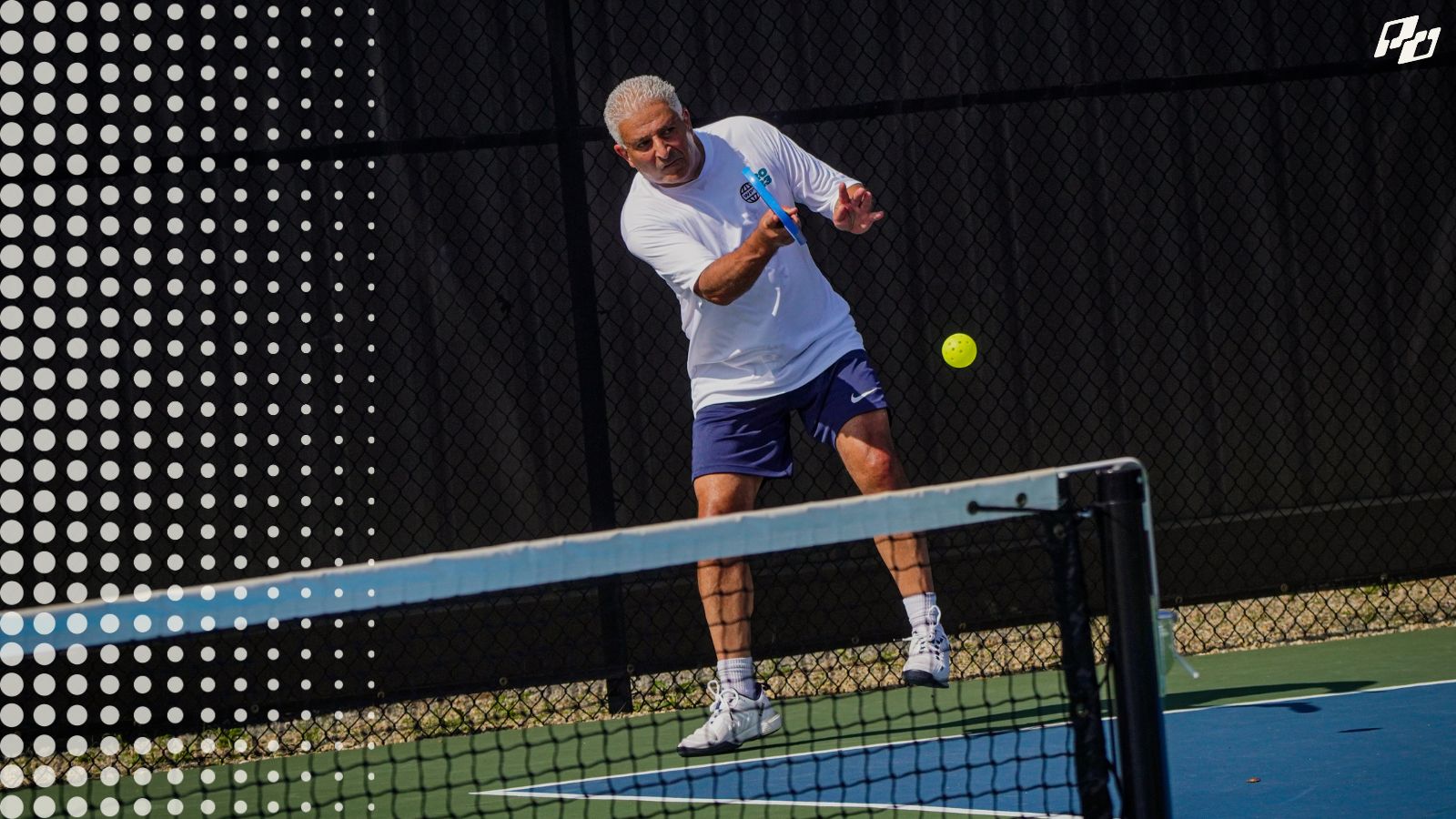
The Overlooked Serve Tip That Adds Power Without Swinging Harder
To add power to your pickleball serve, stop using only your arm. Start slightly closed, turn your hips and shoulders together, load the back leg, then transfer your... Read more.
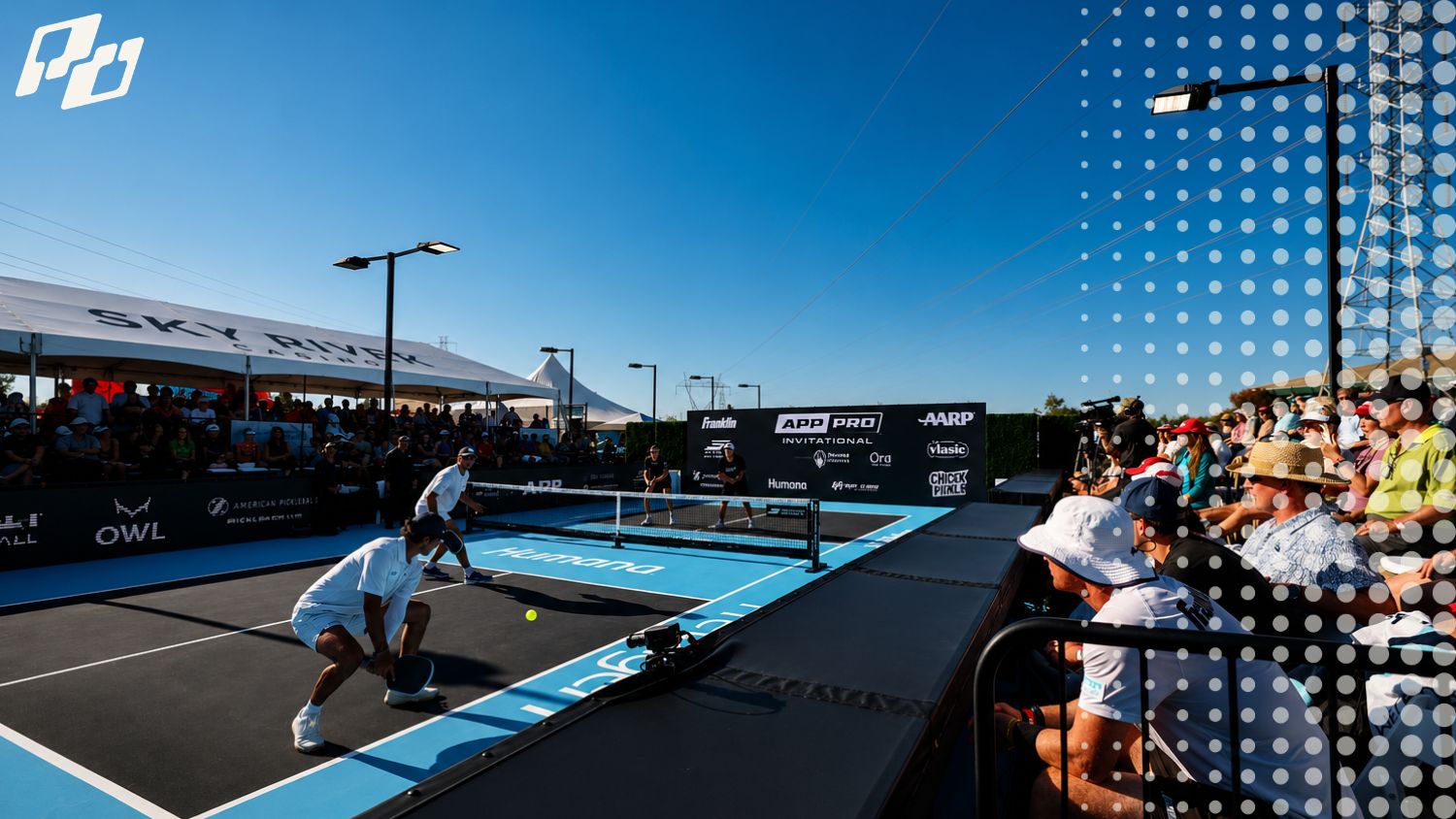
Should You Serve, Receive, or Choose Side?
If you win the pickleball coin toss, don’t automatically choose serve. Pick side first if sun, wind, glare, or distractions matter. If conditions are neutral,... Read more.
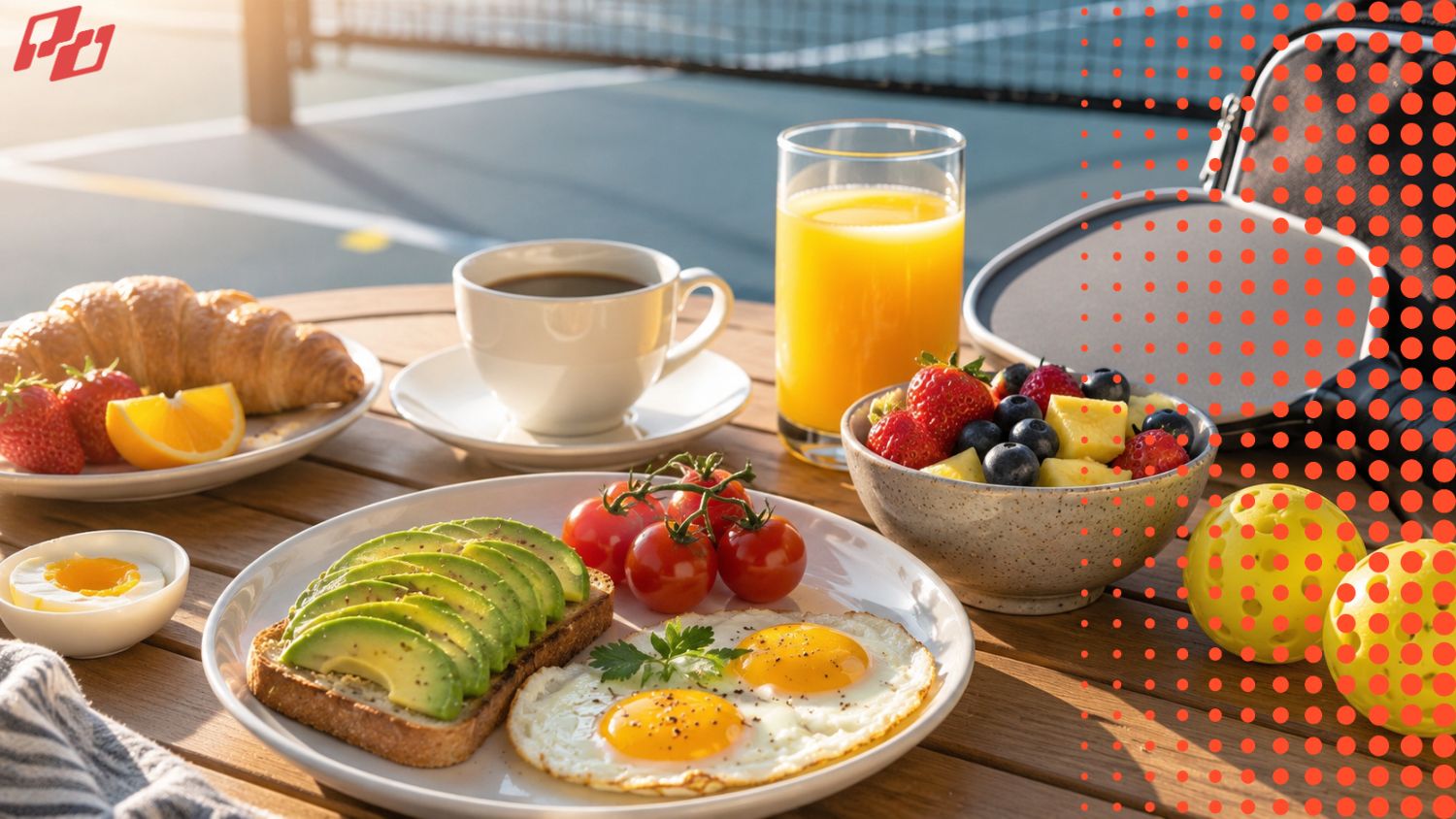
What to Eat Before Morning Pickleball Games
Before morning pickleball, eat easy carbs with a little protein: banana with yogurt, toast with honey, oatmeal, cereal, or a small bagel. Eat a fuller meal 2–3... Read more.
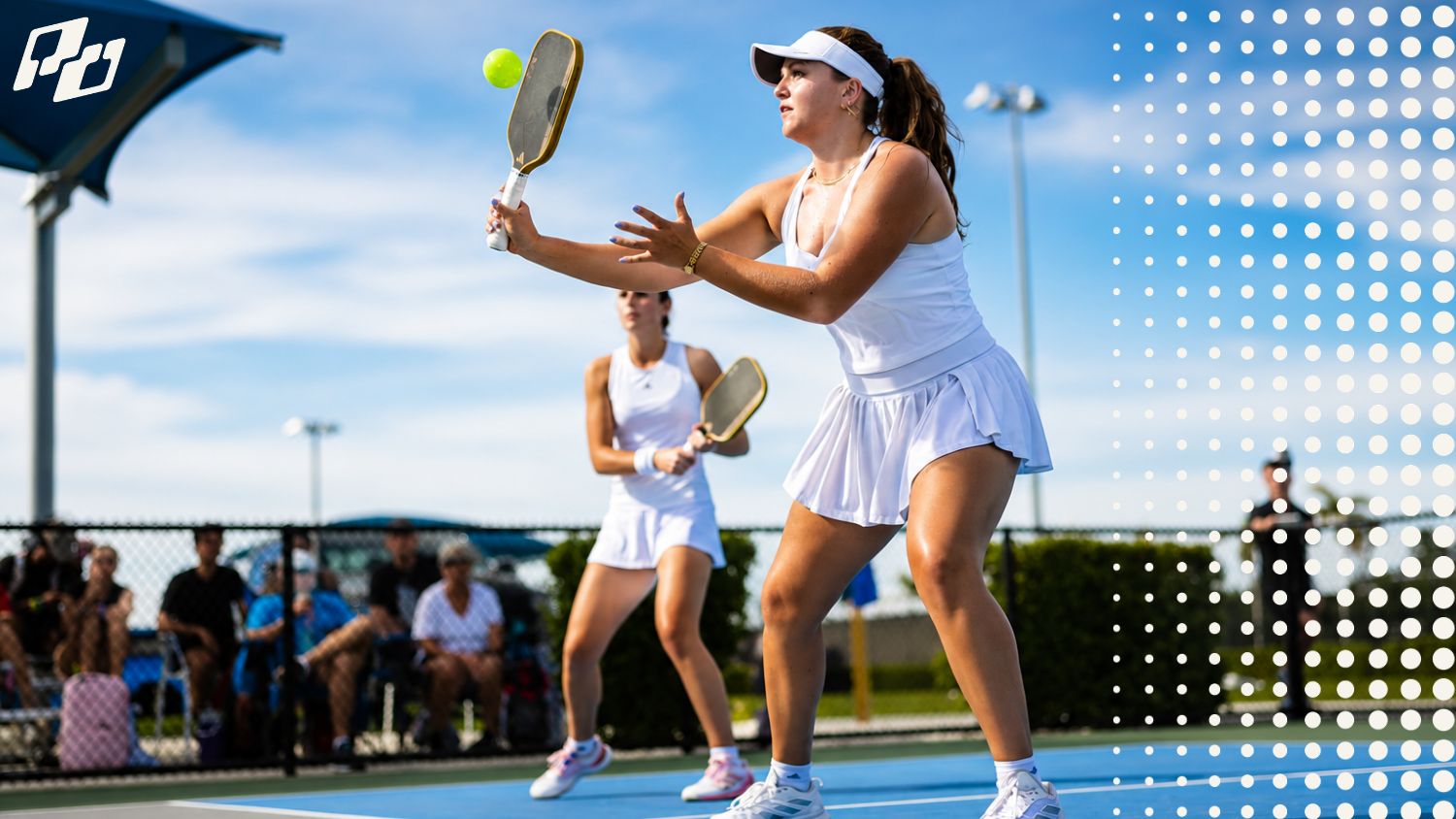
The Biggest Block Volley Mistake in Pickleball (And Why It Kills Your Resets)
A good block volley starts with a slightly open paddle face. If the face is too vertical or closed, the ball often drops into the net. Open it just enough to absorb... Read more.
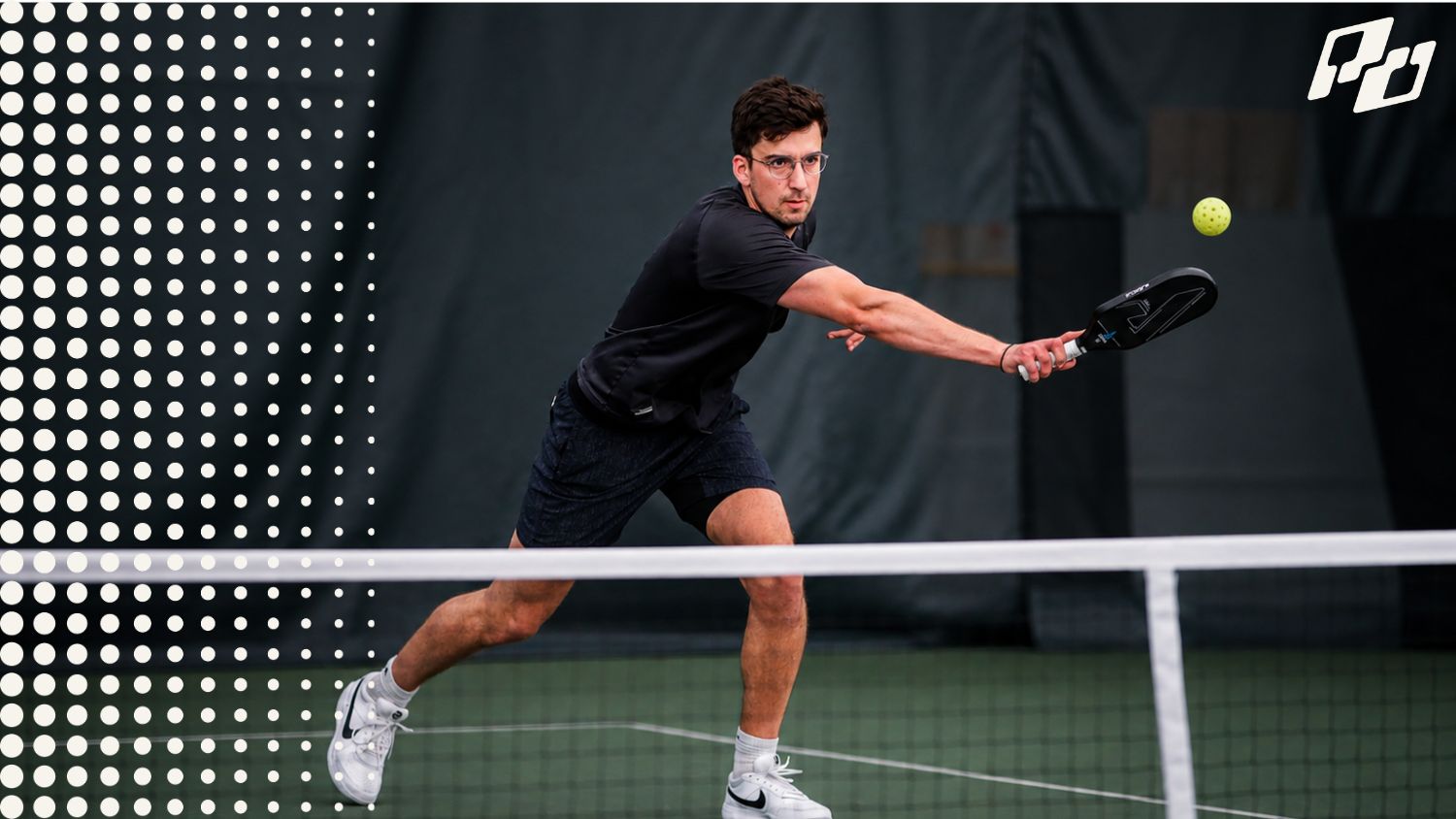
The Forehand Crosscourt Roll That Gives Your Soft Game Teeth
A forehand crosscourt roll is a topspin pressure shot that makes your dink game more dangerous. Hit it from balance, contact out front, stay low, brush across and... Read more.
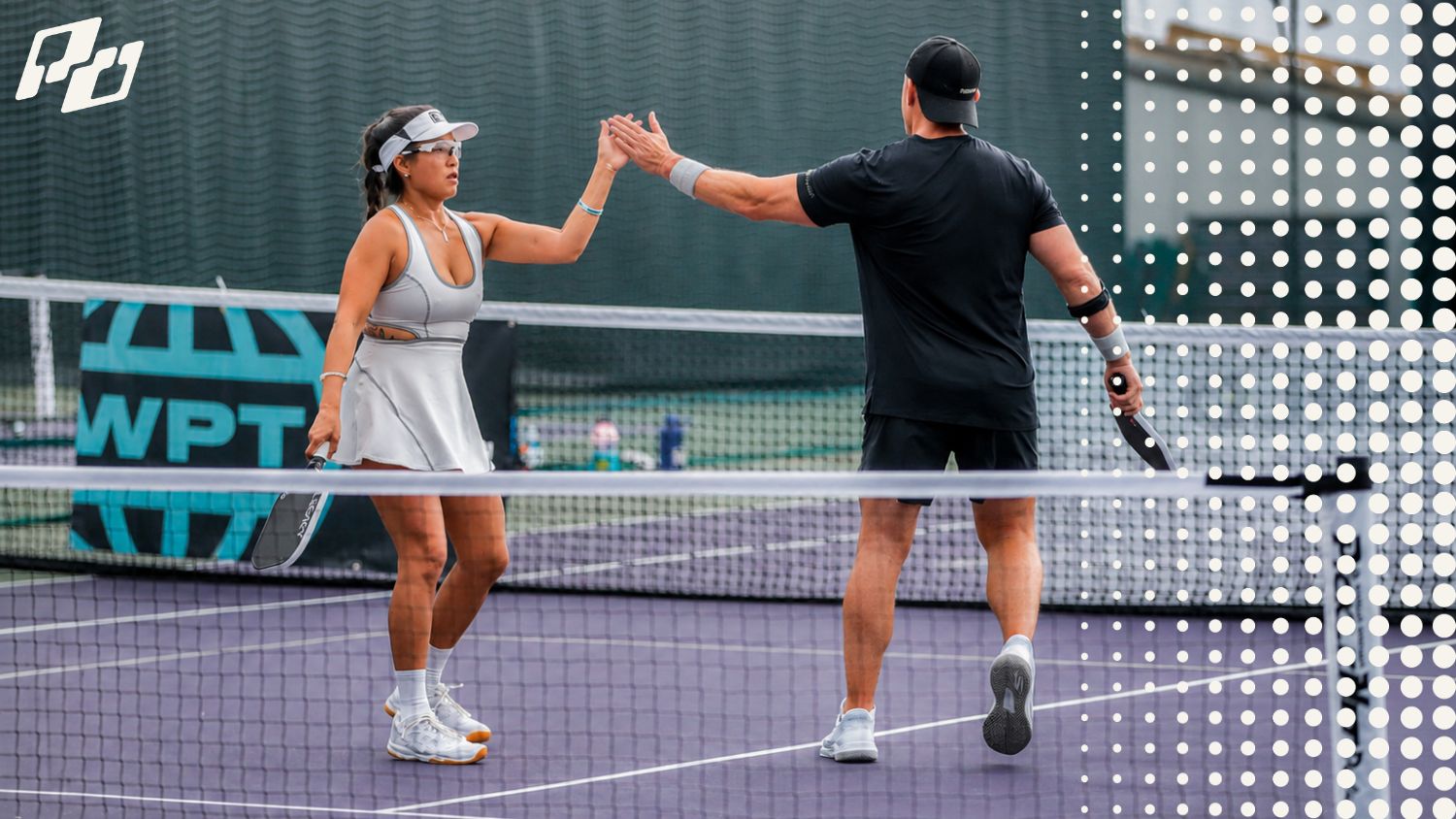
Should Better Players Be Expected to Teach During Open Play?
Better players are not obligated to teach during regular pickleball open play. They should be respectful, safe, and helpful when asked, but beginners should not... Read more.