

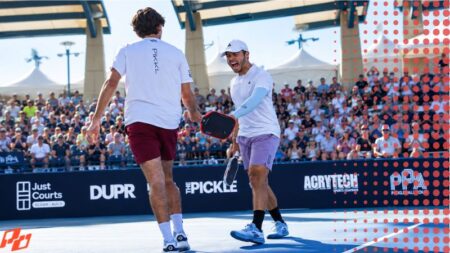
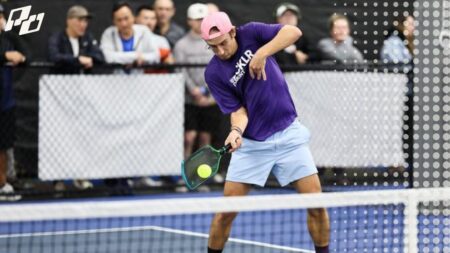
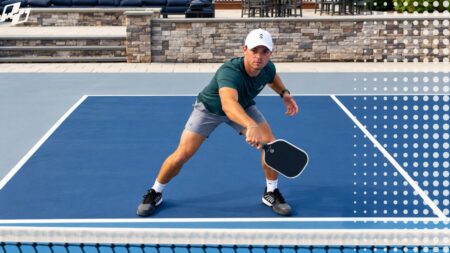
To improve your pickleball backhand flick, lower the paddle tip slightly, stay balanced through your legs, and swing up and around the…
To beat a pickleball player who never seems to miss, stop forcing winners. Move them, change their contact point, vary pace and…
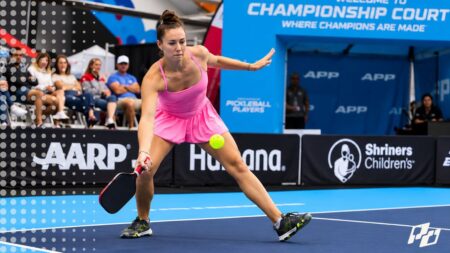
Choose your pickleball third shot by reading the return—not by habit. Ball height, your balance, and opponent position should decide whether you…
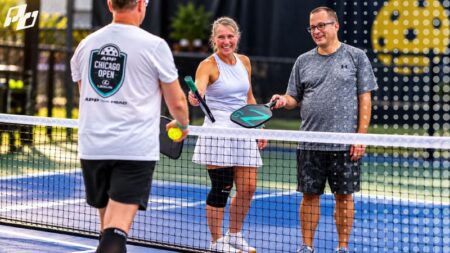
Many beginner pickleball rules are useful starting points—but they shouldn’t stay rigid forever. As your skills improve, ball quality, balance, positioning, and…
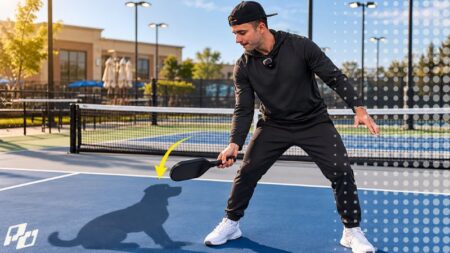
The “pet the dog” pickleball cue helps set up a better forehand by getting your paddle below the ball, slightly closed, and…
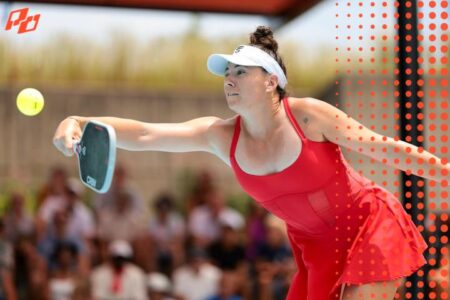
For pickleball backhand counters, use one hand on body or middle balls where speed and quick reaction matter most. Add the second…
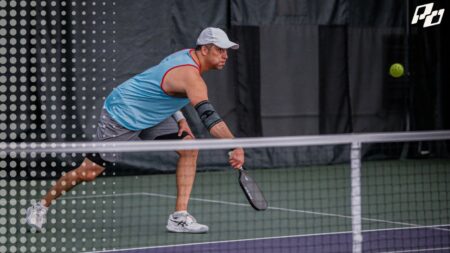
To get the ball down in pickleball, aim to make your opponent contact it below net height, ideally near the feet. Use…
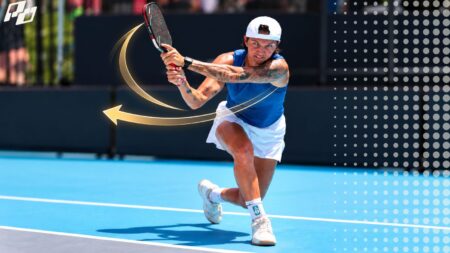
Your pickleball follow-through should match the shot. Dinks, resets, counters, and punch volleys need compact finishes, while drives, serves, and overheads use…
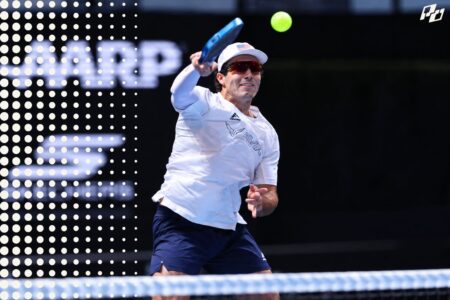
A high backhand putaway should use space, shoulder load, and arm extension—not a hard wrist flick. Get the ball slightly away from…
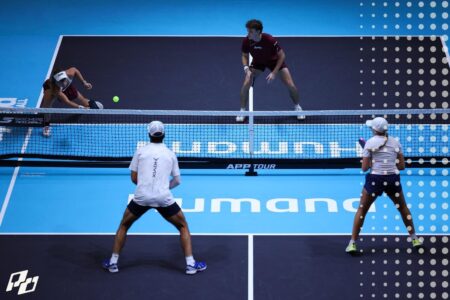
In pickleball doubles, your best side is the one that puts your strongest shots in the middle, reduces hesitation, and complements your…
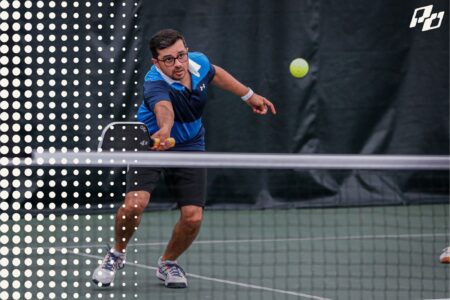
Five pickleball mistakes quietly cost rec players points: forcing attacks from poor balance, aiming too fine on resets, driving too many balls…
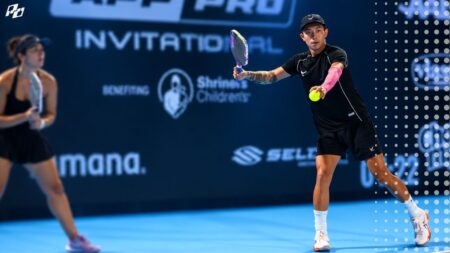
A step-through pickleball serve adds power by transferring your weight from the back leg through contact. Load, move forward, rotate, then let…
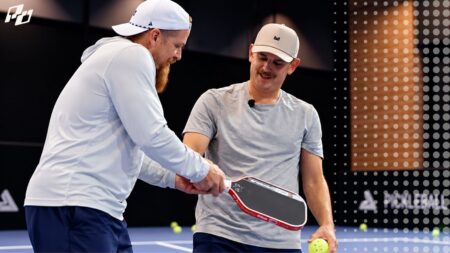
A good pickleball coach should identify the real cause of your mistakes, explain the fix clearly, give you specific drills, and help…
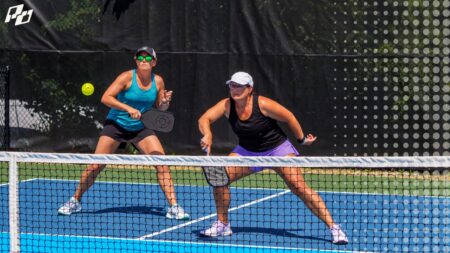
In pickleball, middle-ball misses usually come from late preparation, poor spacing, oversized swings, or unclear partner responsibility—not slow reflexes. Face the hitter,…
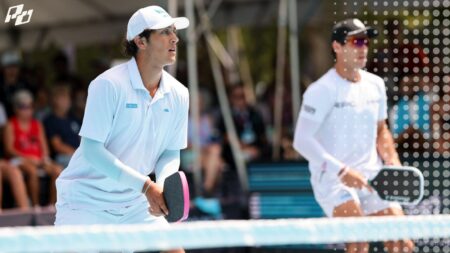
Aggressive pickleball is about creating the right ball, not forcing the attack. Look for good spacing, forward balance, enough time, and a…
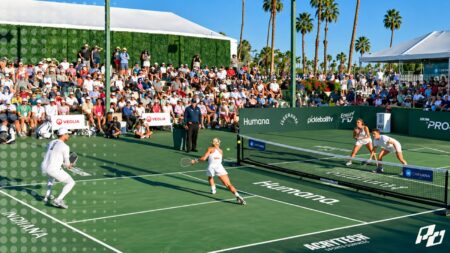
In pickleball doubles, don’t automatically speed the ball up where the dink came from. Read how the dink shifted the defense, then…
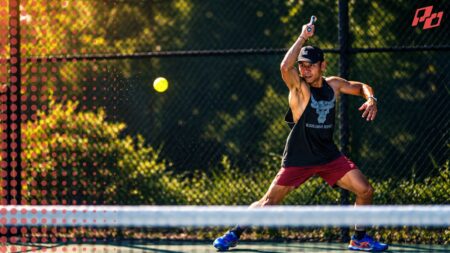
You can improve at pickleball without changing your technique. Focus on higher-quality reps, stronger opponents, purposeful drilling, filming yourself, pressure practice, and…

Pickleball tournament performance often drops because pressure changes mechanics, shot selection, and decision-making. To close the gap, practice under realistic pressure, use…
Staying in the pickleball loop just got easier
Get the 5-minute newsletter over 40,000+ of your pickleball friends read every week.
 Not sure of your rating?Free 12-question quiz. 3 minutes. Get your range and a DUPR estimate.
New: The 2026 Paddle Consumer Report
Not sure of your rating?Free 12-question quiz. 3 minutes. Get your range and a DUPR estimate.
New: The 2026 Paddle Consumer Report3,617 players on brands, prices and what they buy next →